English

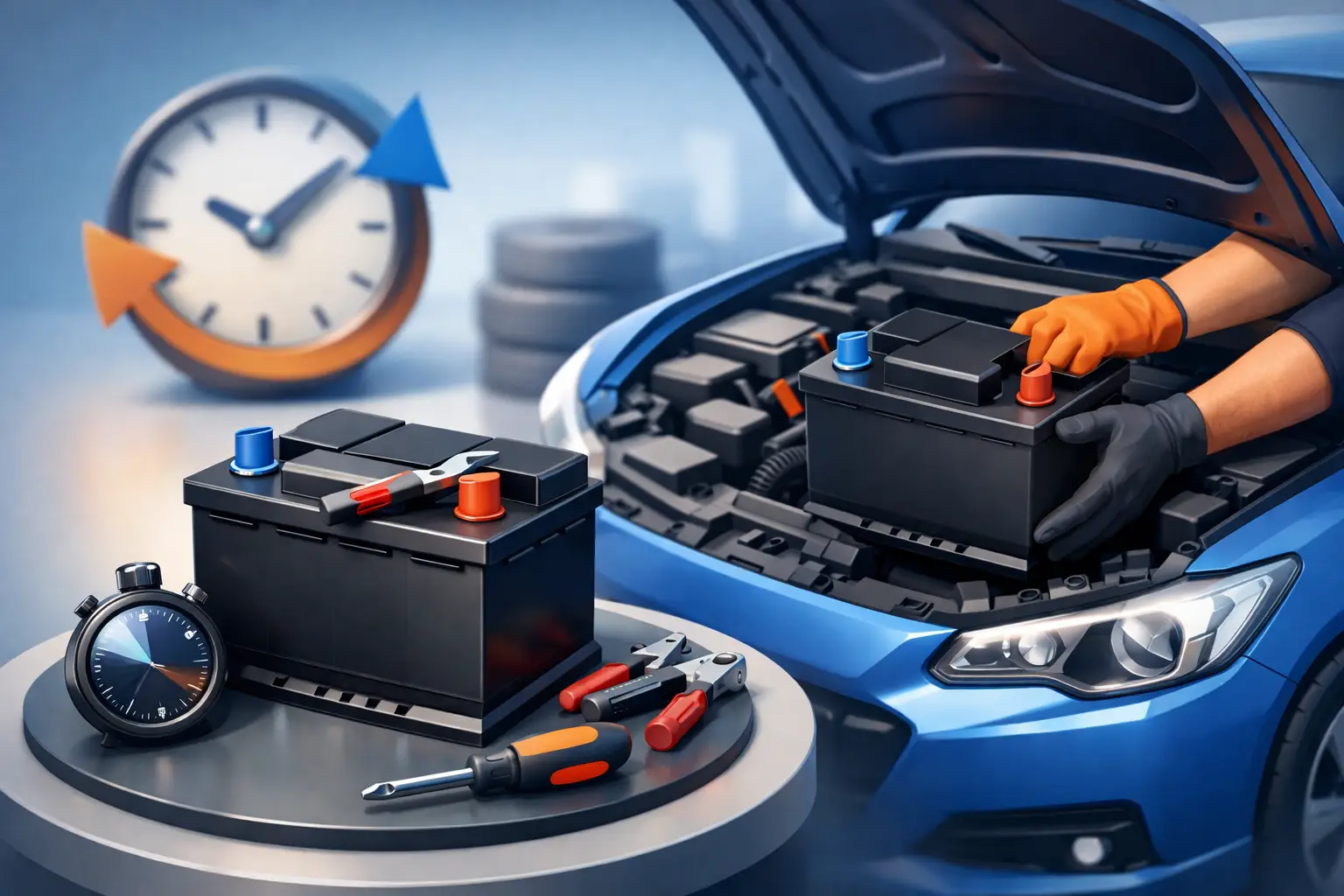
You turn the key, get a slow crank or nothing at all, and the first question is usually simple: how long does it take to fit car battery? In most cases, the battery swap itself takes around 15 to 30 minutes. But that is only part of the job. If you include testing, confirming the right battery, safe removal, fitting, and checking the charging system, the real answer depends on the vehicle and where the battery is mounted.
If you are stranded at home, at work, or roadside, the difference between a 15-minute battery fit and a 45-minute job matters. It affects how quickly you are moving again, whether you need a tow, and whether the problem is actually the battery or something else. That is why a proper answer is not just about the install time. It is about the full process from arrival to restart.
How long does it take to fit car battery on most vehicles?
For a standard passenger car with an easy-to-access battery under the hood, fitting a new battery is usually straightforward. Once the correct battery is on hand, the old one can be removed, the terminals cleaned, the new unit installed, and the vehicle tested in about 15 to 30 minutes.
That timing works for a lot of common sedans, hatchbacks, utes, and SUVs. If the battery is held by a simple clamp and there are no extra covers, braces, or computer reset requirements, the job moves quickly. A technician who does battery replacements every day will usually have this done fast and clean.
What slows things down is everything around the battery. Some vehicles have tight engine bays. Others place the battery in the boot, under a seat, or beneath trim panels. European makes, performance vehicles, and newer stop-start models often take longer because access is tighter and setup is more involved.
What adds time to a car battery replacement?
A battery change can be quick, but it is not always a simple lift-out and drop-in job. Vehicle design is the biggest factor.
Some batteries are buried under plastic shrouds, intake ducting, support braces, or covers that need to come off first. That can add 10 to 20 minutes by itself. If the hold-down clamp is awkward to reach or the battery is heavy and fitted deep in the engine bay, removal takes more care.
Battery registration or reset steps can also add time. Not every car needs this, but some newer vehicles do. If the vehicle monitors battery condition through its electrical system, a replacement may need to be matched or registered correctly so charging behavior stays right. Skip that step and you can end up with warning lights, charging issues, or shortened battery life.
Corroded terminals are another delay. If the posts or connectors are badly corroded, they need to be cleaned properly before the new battery goes in. Rushing that part is a bad idea. A clean connection matters for reliable starting and charging.
Then there is the possibility that the battery is not the only problem. If the car still will not start after fitting a fresh battery, the technician may need to test the alternator, starter motor, fuses, or parasitic drain. That turns a quick replacement into a fault-finding job.
The battery fit is only one part of the job
People often ask how long does it take to fit car battery, but the better question is how long the whole callout or appointment takes. A proper service usually includes battery testing, system checks, and confirmation that the replacement is the right spec for the vehicle.
That matters because not every flat battery is a dead battery. Sometimes the battery has simply discharged because a light was left on, the car has not been driven enough, or there is an electrical drain. In other cases, the alternator is not charging properly. Fitting a new battery without checking these basics can leave you with the same problem again soon after.
A good technician will usually test voltage, inspect the terminals, check battery size and cold cranking amps, fit the replacement safely, and confirm the vehicle starts and charges as it should. That extra care is what turns a battery swap into an actual fix.
Typical time by vehicle type
For most standard cars, expect 15 to 30 minutes for the fit itself. Larger SUVs and 4WDs can be similar if access is easy, though some take longer because of larger battery trays or dual-battery setups. Utes used by tradies or fleets are often straightforward, but not always, especially if accessories have been added.
Prestige and European vehicles can take 30 to 60 minutes or more, depending on access and electronic requirements. Vehicles with batteries in the boot or under seats often take extra time because trims and covers have to be removed and refitted carefully.
Stop-start vehicles also deserve a mention. These often require AGM or EFB batteries rather than a standard flooded battery. Fitting the wrong type is a shortcut that usually costs more later. Making sure the replacement matches the vehicle properly may add a few minutes, but it protects performance and battery life.
Mobile fitting versus workshop fitting
If you are comparing options, the install time itself may be similar whether the job is done roadside, at home, or in a workshop. The real difference is convenience and total downtime.
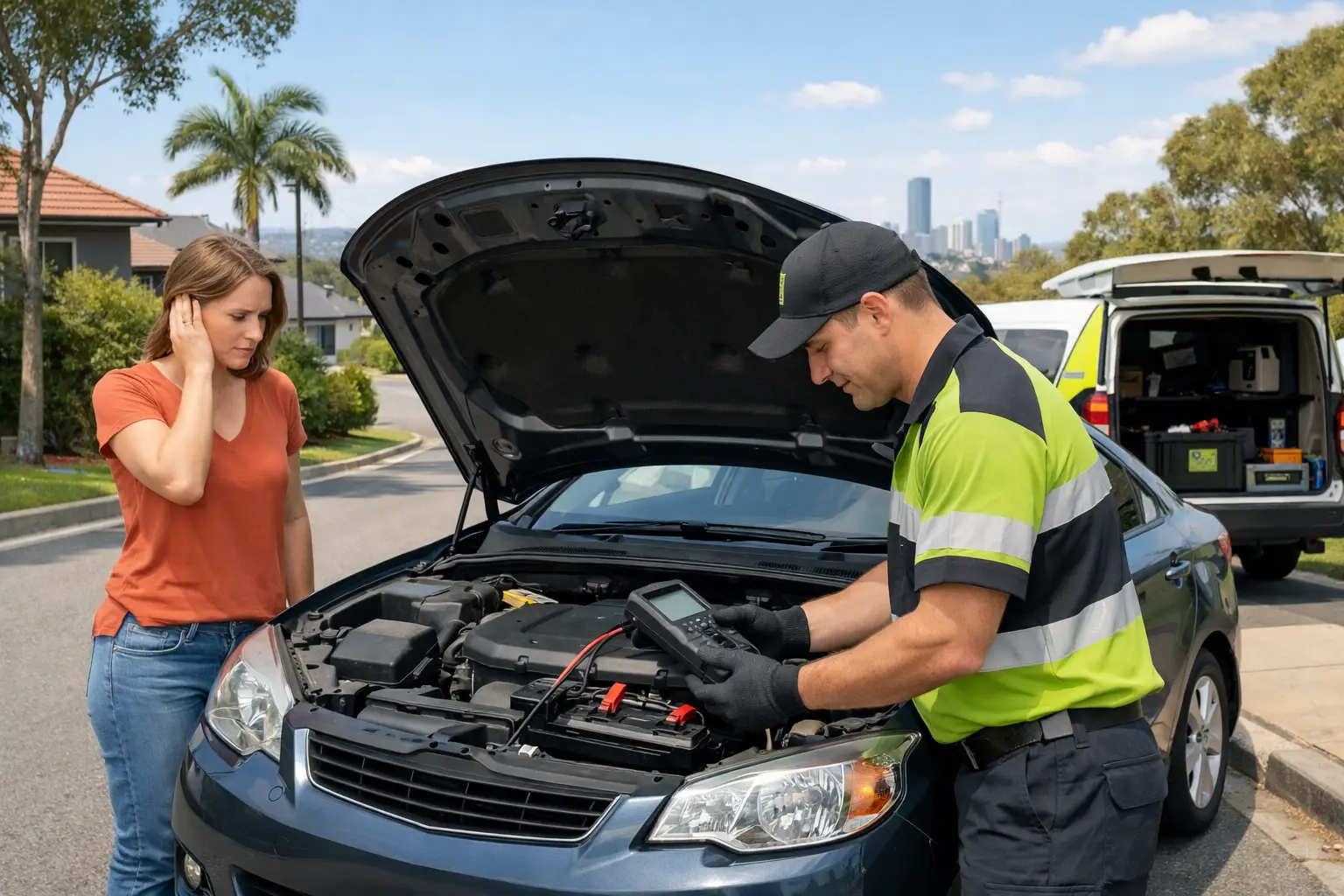
Driving to a workshop means organizing transport, waiting in line, and sometimes being without the car for longer than the battery job actually takes. Mobile battery fitting removes that gap. The technician comes to you, tests the battery on site, fits the new one, and gets you going where the car is parked.
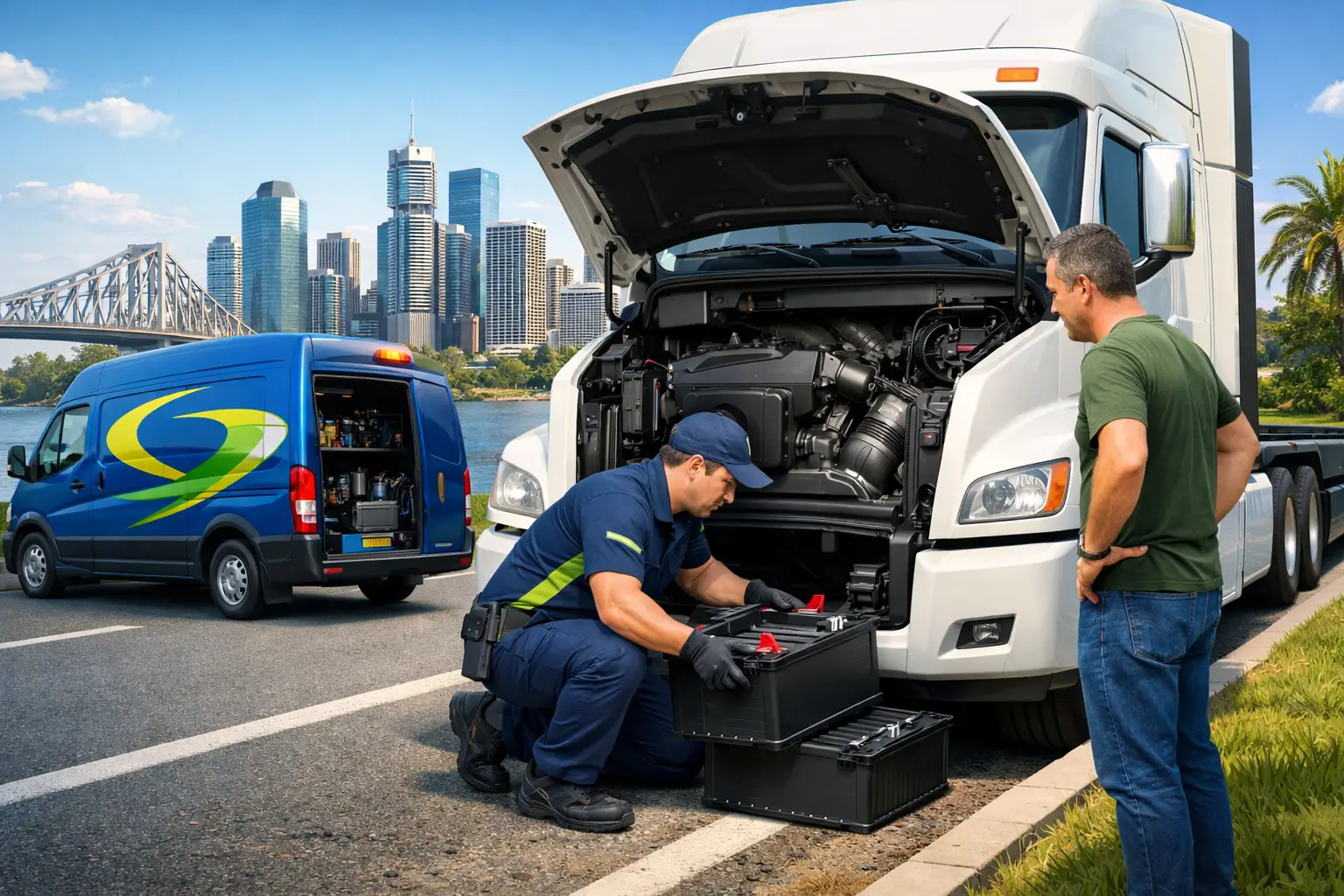
For urgent breakdowns, that is often the fastest real-world option. A mobile service like Battery Australia is built around that problem – fully equipped vans, on-site fitting, and quick response for drivers who do not have time for workshop delays.
Can you fit a car battery yourself?
Yes, in some cars you can. If the battery is easy to reach and you are comfortable using basic tools, a DIY replacement may only take 20 to 40 minutes. But there is a difference between being able to change a battery and knowing the battery is the right one, fitted safely, and backed by proper testing.
Modern vehicles have made simple jobs less simple. Memory settings, anti-theft systems, battery monitoring sensors, and tight access can turn a basic swap into a frustrating job fast. There is also the risk of shorting terminals, damaging trim, or choosing the wrong battery type.
If you are dealing with a newer vehicle, a stop-start system, or a battery mounted somewhere awkward, professional fitting is usually the safer move. It saves guesswork and reduces the chance of paying twice.
Signs the job may take longer than expected
A few situations usually mean extra time is needed. One is when the battery is completely inaccessible without removing covers or other components. Another is when the terminals are damaged or heavily corroded.
You may also be looking at a longer job if the vehicle has electrical faults, warning lights, or repeated battery failures. In that case, fitting the battery is easy. Finding out why the old one failed is the part that takes longer.
And if your car has aftermarket accessories like dash cams, driving lights, sound systems, or dual-battery setups, those can affect both installation time and diagnosis. Extra wiring always deserves a careful look.
Fast is good, but correct is better
Most drivers want the same thing when the battery fails – get it done now. Fair enough. But the fastest battery replacement is not always the best one if corners are cut.
The right battery needs to match the car. The terminals need to be secure. The charging system needs to be checked. And on some vehicles, the battery needs to be registered or reset correctly. Those steps do not take forever, but they do matter.
If someone promises a battery fitted in a few minutes without testing or checking vehicle requirements, that speed can come back to bite you. A proper job is still quick on most vehicles, but it should not be rushed.
So, what should you expect?
For a standard vehicle with good access, expect around 15 to 30 minutes to fit the battery once the technician is with the car. If access is tight, the battery is in a tricky location, or the vehicle needs additional electrical setup, allow 30 to 60 minutes.
If you are booking a service, also factor in travel time or response time. That is where choosing a provider with stocked service vehicles and fast local coverage makes a real difference. The battery replacement itself is often the easy part. Getting help quickly is what saves your day.
When your car will not start, the best result is not just a new battery. It is getting the right battery, fitted properly, with the checks done so you can drive off confident the problem is actually fixed.