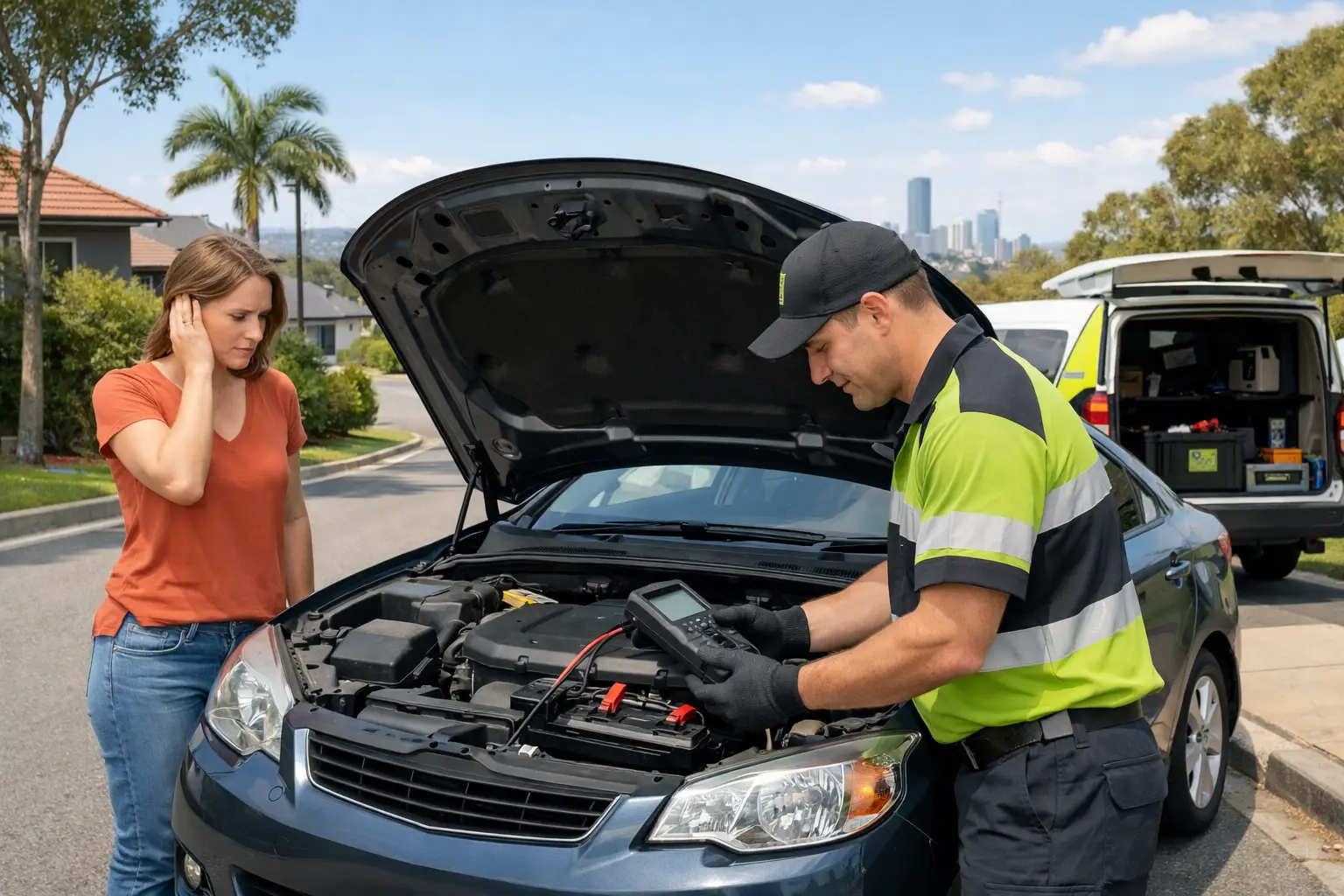
Your car starts fine all week, then one rushed morning it gives you a slow crank, a click, or nothing at all. That is why knowing when should a car battery be replaced matters. A battery rarely fails at a convenient time, and waiting until it is completely dead can leave you stranded at home, at work, or on the side of the road.
Most batteries give warning signs before they quit. Catching them early means you can arrange a replacement on your terms instead of dealing with a no-start emergency.
When Should a Car Battery Be Replaced?
As a general rule, a standard car battery should be tested regularly once it reaches three years old and replaced when testing shows it no longer holds enough charge for reliable starting. In hot climates, batteries often last around two to four years. Extreme heat speeds up the chemical reaction inside the battery and can shorten its working life, even when the vehicle is driven regularly.
Age is only part of the picture. A two-year-old battery can fail early if it has been repeatedly drained, exposed to high under-hood heat, or fitted to a vehicle that mainly makes short trips. On the other hand, a well-maintained battery in a regularly driven vehicle may last longer than expected.
The practical answer is simple: replace it when a proper battery test shows weak capacity, when it has reached the end of its warranty period and is becoming unreliable, or when clear failure signs begin appearing. Do not rely on a single successful start as proof that the battery is healthy.
Signs Your Car Battery Is Nearing the End
A flat battery can feel sudden, but the warning signs are often there. Pay attention if your vehicle develops any of the following issues, particularly if more than one happens at once:
- The engine cranks slowly or takes longer than usual to start.
- Headlights dim at idle, interior lights flicker, or power windows move sluggishly.
- You need a jump-start, even if the car starts normally after being driven.
- The battery warning light appears on the dashboard.
- The battery case looks swollen, cracked, leaking, or has heavy corrosion around the terminals.
A slow crank is one of the most useful signs. The starter motor needs a high burst of power, so it is often the first component to show that the battery cannot deliver what the vehicle needs. If the engine sounds labored before starting, arrange a test soon rather than hoping it improves.
Corrosion is another issue worth taking seriously. A small amount of buildup around terminals can sometimes be cleaned, but severe corrosion may affect the connection and can point to an aging battery. A swollen case is more urgent. It can indicate heat damage or internal failure, and that battery should be replaced rather than recharged and put back into service.
A Jump-Start Is Not a Battery Diagnosis
Getting a jump-start does not automatically mean you need a new battery. You may have left a dome light on, a door may not have shut properly, or an accessory may have drained the battery while the car was parked. After a one-off drain, a good battery may recover fully after being properly charged and tested.
But if the battery goes flat again within a few days, treat it as a warning. The cause could be a battery that no longer holds charge, a charging-system fault, loose or corroded terminals, or an electrical draw while the vehicle is switched off. Replacing a battery without checking the basics can waste money if the alternator is not charging correctly.
A professional test checks more than voltage. A battery can show a normal-looking voltage at rest and still collapse under load when you try to start the engine. Load and conductance testing provide a clearer view of its remaining capacity and whether replacement is the sensible next step.
Battery Age Matters More Than Most Drivers Think
Check the date code or installation sticker on your battery if you are unsure how old it is. Once it is over three years old, include a battery test in routine servicing, especially before a road trip, a change of season, or a period when the car will sit unused.
This is particularly worthwhile for vehicles used for school runs, short city trips, or occasional weekend driving. Starting the engine takes a large amount of power. If every trip is short, the alternator may not have enough time to fully recharge the battery before the next start.
Vehicles with stop-start systems, multiple screens, phone charging, dash cameras, refrigerated equipment, or aftermarket accessories also place higher demands on the electrical system. These vehicles may need a battery with the correct technology and capacity, not simply the lowest-priced battery that fits the tray.
What Shortens a Car Battery’s Life?
Heat is a major factor, but it is not the only one. Repeated deep discharges are hard on a starting battery, which is designed to deliver a quick burst of power rather than be drained down repeatedly. Leaving lights on, running accessories with the engine off, and letting a vehicle sit for weeks can all reduce battery life.
Loose terminals create resistance and may prevent the battery from charging or delivering full power. A slipping belt, weak alternator, or faulty voltage regulator can also leave a healthy battery undercharged. At the other extreme, overcharging can damage internal components and cause excessive heat.
That is why the right approach is not always “replace it because it is old.” A tested diagnosis is better. If the battery is weak, replace it. If the charging system or an electrical draw is the real problem, fix that issue so the next battery has a fair chance of lasting.
Do Not Wait for a Complete Failure
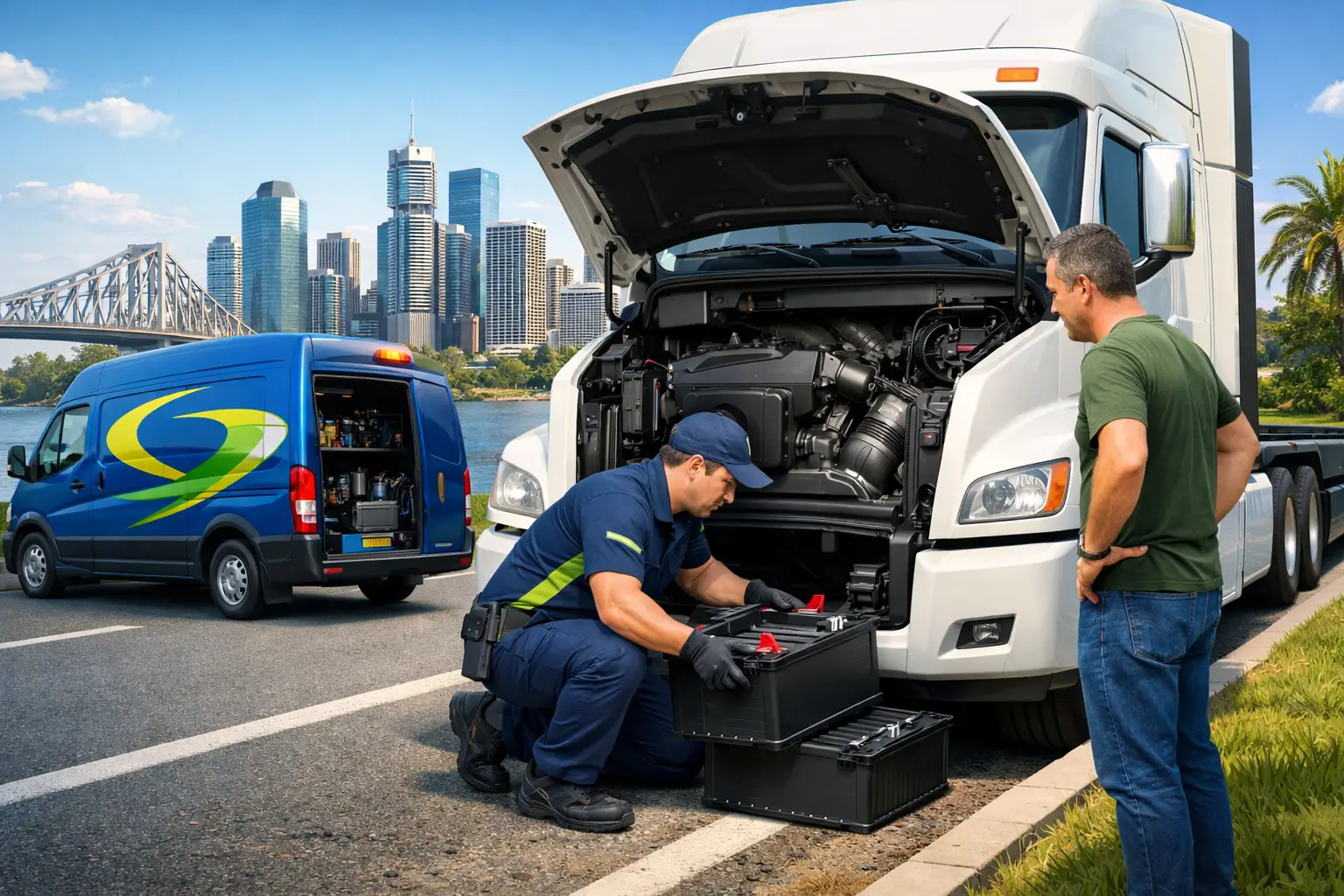
There is a trade-off between getting every last month from a battery and avoiding the disruption of a no-start. For many drivers, especially commuters, families, tradies, and fleet operators, reliability is worth more than stretching out a battery that is already testing weak.
A planned replacement lets you choose a suitable battery, confirm the warranty, and have it fitted without the pressure of being stranded. It also helps avoid the knock-on problems that come with a flat battery, such as missed appointments, late deliveries, or being stuck in an unsafe location after dark.
If your battery is close to the end of its expected life and you have noticed slow starts or electrical issues, get it tested now. Battery Australia can test and fit the right replacement on-site, helping drivers get moving again without a tow or a long workshop wait.
Choosing the Right Replacement Battery
The replacement must match the vehicle’s requirements. Battery physical size, terminal layout, cold cranking amps, reserve capacity, and battery type all matter. A vehicle with stop-start technology may require an AGM or EFB battery, while fitting a conventional flooded battery can lead to poor performance and a shorter service life.
Some newer vehicles may also need the battery registered or reset through the vehicle’s battery management system after installation. This tells the system that a new battery has been fitted and allows charging behavior to adjust correctly. It is a small but worthwhile step that can protect battery life and prevent warning messages.
The cheapest option is not always the best value. A correctly matched battery with reliable warranty coverage and proper installation is usually the better call, particularly for vehicles that work hard or carry essential tools and equipment.
A battery test takes far less time than dealing with a flat battery at the worst possible moment. If starting has become hesitant, your battery is more than three years old, or you have needed a jump-start recently, act before the next turn of the key becomes a problem.