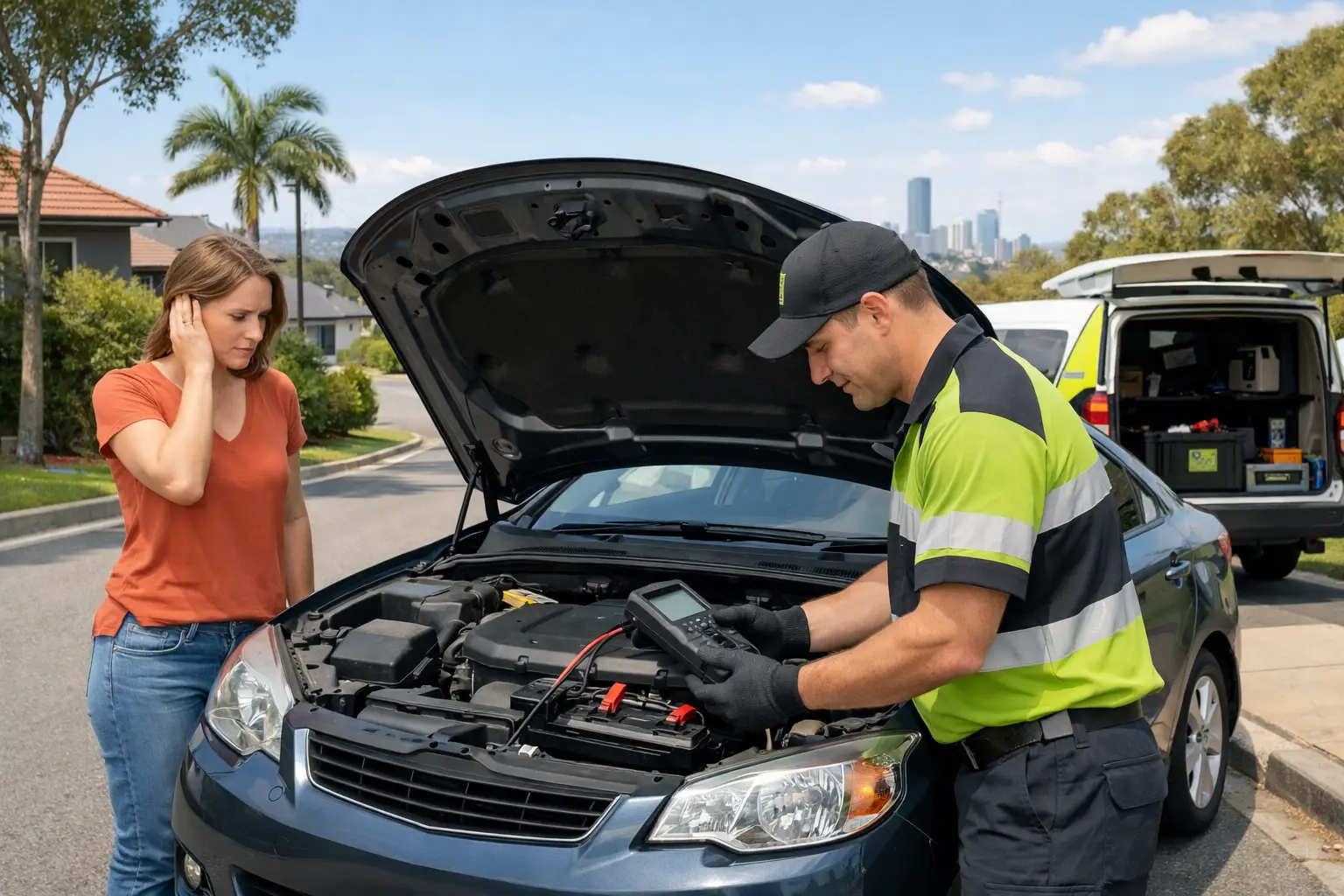
Your car is sitting in the driveway, you turn the key or press Start, and all you get is a click, dim dash lights, or nothing at all. A dead car battery at home is frustrating, but it does not automatically mean you need a tow or a long wait at a repair shop. In many cases, the problem can be tested and solved right where the vehicle sits.
The key is knowing whether you have a simple flat battery, a battery that has reached the end of its life, or a charging-system issue that will drain the next battery too. Here is what to do first, what not to do, and when it is time to get a replacement fitted at your home.
First: Make Sure It Really Is the Battery
A battery failure often has obvious signs. The engine may crank slowly, the dashboard lights may flicker, or you may hear repeated clicking when you try to start. Central locking, headlights, and the radio can also seem weak or completely dead.
Still, not every no-start is a dead battery. If the interior lights are bright but the engine will not crank, a starter issue could be involved. If the engine cranks normally but will not fire, the cause may be fuel, ignition, or another mechanical fault. A quick battery test is the fastest way to remove the guesswork.
Look for simple clues before you do anything else. Check that the gear selector is in Park or Neutral, make sure the parking brake is on, and confirm the battery terminals are not visibly loose. If you find corrosion around the terminals, do not brush it off. Heavy white, blue, or green buildup can prevent a good electrical connection even when the battery itself still has some charge.
What to Do With a Dead Car Battery at Home
Start by turning off all accessories. Switch off lights, climate control, chargers, and the radio. If you have left a door, trunk, or hood open, close it so the vehicle is not drawing more power while you work out the next step.
If you own a quality jump pack and know how to use it safely, it can get the car started. Connect the positive clamp to the positive battery terminal, then connect the negative clamp to a solid, unpainted metal point away from the battery where the vehicle manufacturer recommends. Follow the jump pack instructions exactly. Once the engine starts, disconnect the clamps in the required order.
A jump-start is a temporary solution, not proof that the battery is fine. If the battery is old, internally damaged, or unable to hold a charge, the car may start once and fail again after you park it. That is especially common after the vehicle has been sitting overnight.
Using jumper cables and another vehicle can also work, but it has more risk. Modern vehicles have sensitive electrical systems, and connecting cables incorrectly can damage components. If you are unsure about terminal locations, cable order, or your vehicle has a battery in the trunk or under a seat, calling a qualified mobile technician is the safer call.
Do not keep trying to start the vehicle over and over. Each attempt pulls more power from an already weak battery. It can also overheat the starter motor and leave you with a bigger repair than you started with.
Why Batteries Fail in the Driveway
Car batteries rarely fail at a convenient time. They often give up after a cold night, a stretch of hot weather, or a period when the vehicle has not been driven much. Heat is particularly tough on batteries because it speeds up internal wear, even if the failure does not appear until later.
Most standard car batteries last roughly three to five years, but that range depends on the vehicle, climate, driving habits, and battery quality. Short trips can be hard on a battery because the alternator may not have enough time to restore the power used during starting. A vehicle packed with accessories, dash cameras, phone chargers, refrigeration, or work equipment can place additional demand on the electrical system.
A flat battery can also be caused by a power drain. Common culprits include a cabin light left on, a door that did not close properly, an accessory plugged into a 12-volt outlet, or an aftermarket device drawing power while the car is parked. If the battery is repeatedly going flat even after charging or replacement, the vehicle needs further testing for a parasitic drain or alternator problem.
When a Jump-Start Is Not Enough
If your battery has gone flat once because you left the lights on, charging it may be all you need. But a jump-start is unlikely to be a reliable fix when the battery is older, swollen, leaking, badly corroded, or repeatedly losing charge.
Replace the battery instead of trying to nurse it along if you notice any of these signs:
- The engine cranks slowly, especially first thing in the morning.
- You have needed more than one jump-start in recent weeks.
- The battery case is swollen, cracked, or leaking.
- The battery is more than a few years old and has started acting unpredictably.
- A battery test shows low cranking capacity or poor charge retention.
A swollen or leaking battery should be treated seriously. Do not attempt to jump it, charge it, or handle damaged terminals without appropriate care. Battery acid is corrosive, and a compromised battery can be unsafe.
Why Battery Testing Matters Before Replacement
The right replacement battery is not simply the one that fits in the tray. Your vehicle may require a specific battery size, terminal layout, cold-cranking rating, reserve capacity, or battery technology. Many newer vehicles use AGM or EFB batteries to support stop-start systems and higher electrical loads.
Fitting a cheaper conventional battery where an AGM battery is required may save money at first, but it can lead to poor performance and shorter life. In some vehicles, a new battery may also need to be registered or reset through the vehicle’s battery management system so charging is controlled correctly.
A proper on-site test checks more than voltage. A battery can show acceptable voltage when sitting still but collapse under the load required to start the engine. Testing can also help identify whether the alternator is charging properly after the engine runs. That is how you avoid replacing a battery when the real problem is elsewhere.
Skip the Tow: Get the Battery Replaced at Home
When your vehicle is parked safely at home, mobile battery replacement is often the most practical option. There is no need to arrange a tow, take time off to sit at a workshop, or gamble on whether a jump-start will get you there.
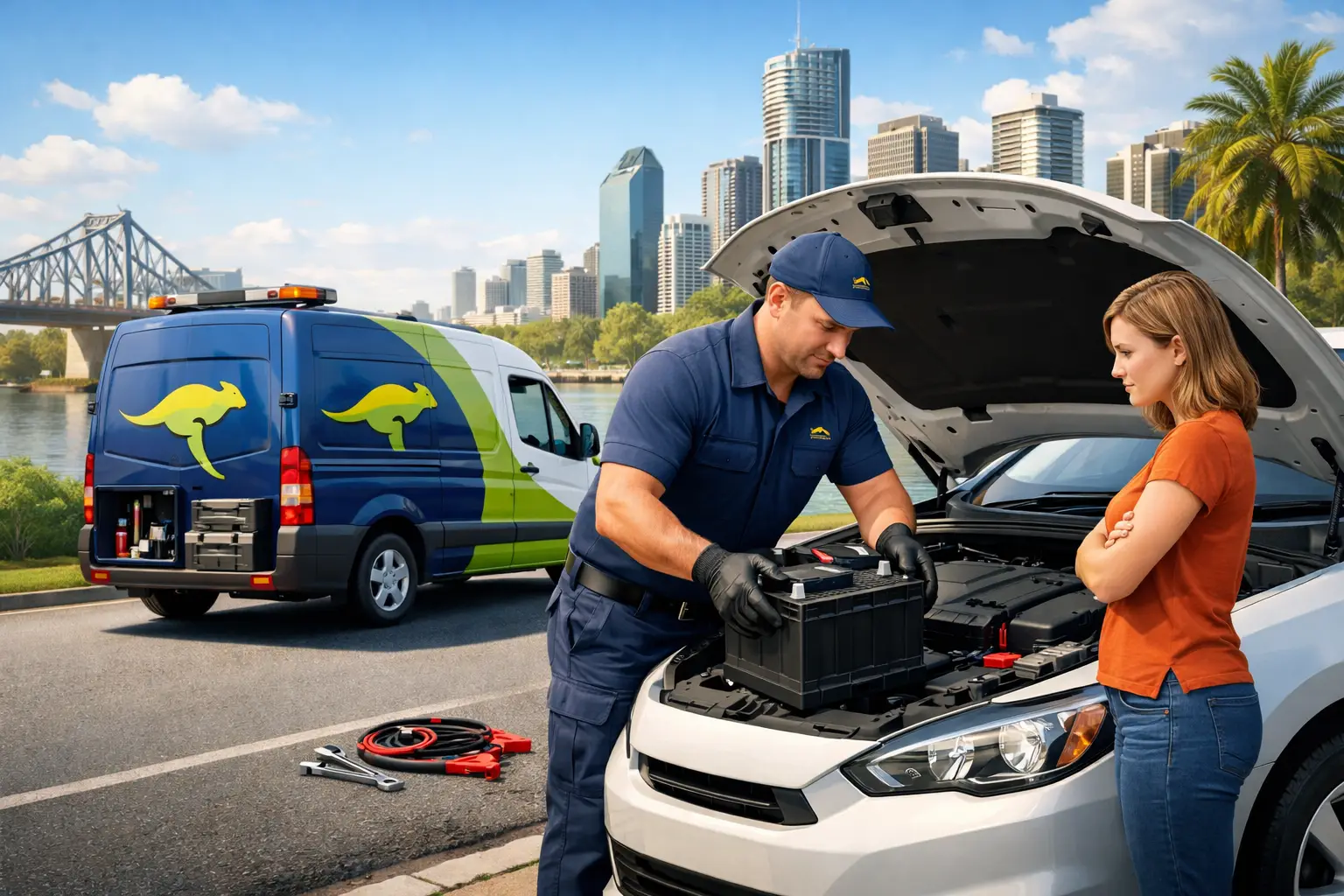
A mobile technician can test the battery, confirm the correct fitment, remove the failed unit, install the replacement, and check that the vehicle starts properly. It is especially useful for busy families, tradies with tools to move, fleet vehicles, or anyone who needs to get back on the road without turning a battery problem into an all-day job.
For drivers in Brisbane, Ipswich, and the Gold Coast, Battery Australia provides mobile testing and fitting with fully equipped vans, including urgent help when a battery fails at home. The goal is straightforward: diagnose the issue properly, fit the right battery, and get the vehicle moving again without unnecessary delays.
How to Avoid the Next Flat Battery
Once you are back on the road, a few habits can reduce the chance of another driveway surprise. If you mainly make short trips, take the car for a longer drive periodically or use a suitable maintenance charger. This gives the battery more opportunity to recover after starting.
Keep terminals clean and secure, particularly if you notice any corrosion. If the car will sit unused for weeks, a battery maintainer may be worthwhile. For vehicles with frequent accessory use, camping equipment, or added electrical loads, make sure the battery type and capacity match the job.
Most importantly, pay attention to early warning signs. A slow crank is not something to ignore until the car will not start at all. Testing a weak battery while the vehicle is still running can save you from being stuck in the driveway when you are already late.
A dead battery at home is rarely part of anyone’s plan, but it does not have to derail the day. Get the battery checked before you keep jump-starting it, and choose a replacement solution that gets you safely back behind the wheel.