English

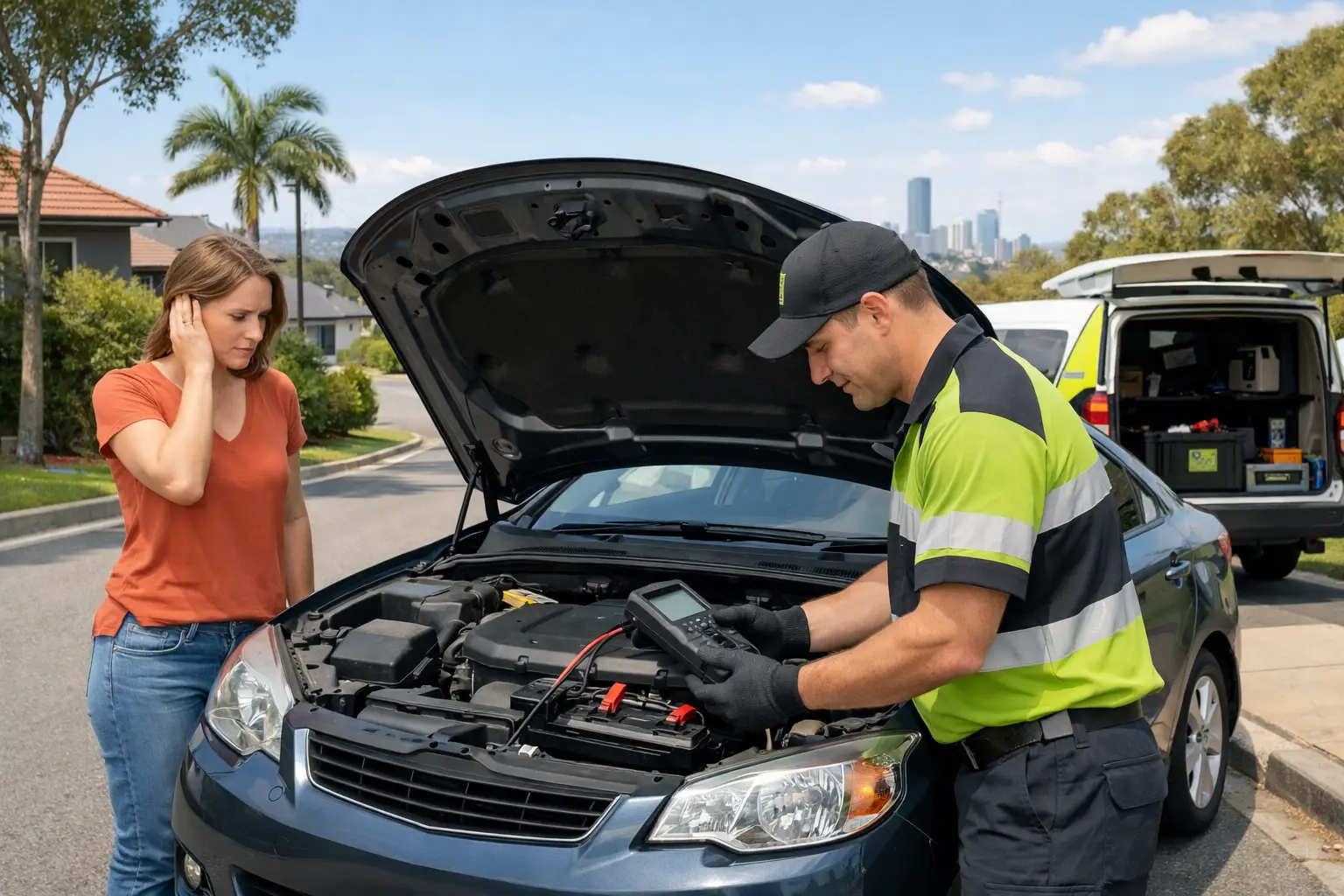
A battery charger vs jump starter decision usually gets made at the worst possible time: the car will not start, you are late for work, and the kids or tools are already loaded. Both can help with a flat battery, but they do very different jobs. Choosing the right one can mean the difference between getting moving quickly and being stuck with the same problem again tomorrow.
A jump starter is the fast, portable option for starting a vehicle with a low battery. A charger is the slower, more deliberate option that puts energy back into the battery over time. For many drivers, the sensible answer is not one or the other. A jump starter belongs in the vehicle for emergencies, while a smart charger earns its place in the garage for battery care.
Battery Charger vs Jump Starter: The Main Difference
A battery charger connects to a power outlet and gradually restores charge to a battery. Depending on the charger size, battery condition, and battery capacity, this may take several hours or overnight. Smart chargers monitor the battery as they work, reducing or changing the charge rate as needed. Many can also maintain a healthy battery during periods when a vehicle is parked for weeks.
A jump starter is a compact power pack designed to deliver a short burst of high current. Connect it correctly to the battery terminals, follow the unit’s instructions, and it can provide enough power to crank the engine. Once the vehicle starts, the alternator begins charging the battery while the engine runs.
That last part matters. A jump starter helps start the engine. It does not properly recharge a flat battery. If your battery went flat because the headlights were left on, a decent drive may replace some charge. If it is old, damaged, or not being charged by the vehicle, the problem is still waiting for you.
When a Jump Starter Is the Right Tool
A jump starter is built for urgency. It makes sense when you are at home with no second vehicle available, in a parking lot after work, at a job site, or on a camping trip where help is not close by. It is also useful for drivers who regularly travel through areas where mobile service can be unreliable.
For commuters, families, tradies, and fleet operators, a quality jump starter can save a lot of disruption. Modern units are small enough to keep in a glove box, boot, or tool bag, and many also include USB charging ports and a flashlight. Those extras are handy, but the most important rating is whether the unit can safely start your engine size and vehicle type.
Do not assume every jump starter suits every vehicle. Larger petrol engines, diesel vehicles, trucks, and vehicles with demanding electrical systems may need a higher-output unit. Check the manufacturer’s recommended engine capacity, peak current rating, cable quality, and whether the pack supports 12-volt systems. A jump starter also needs to be kept charged. A forgotten power pack with an empty internal battery will not help when you need it.
A jump starter is a practical backup, not proof that your vehicle battery is healthy. If you need it more than once, arrange a battery and charging-system test rather than treating repeat jump starts as normal.
When a Battery Charger Makes More Sense
Use a battery charger when there is time to diagnose and recover the battery properly. It is the better choice for a car that has been parked for a while, a weekend vehicle, a motorcycle, a caravan, a boat, a golf cart, or equipment with a deep-cycle battery. These batteries can lose charge gradually even when nothing appears to be wrong.
A smart charger is particularly useful for vehicles that sit unused. Short trips can also be hard on a battery because the alternator may not get enough driving time to replace the energy used during starting. Adding accessories, dash cameras, refrigeration, work lights, or phone chargers can make the situation worse if there is an underlying draw on the system.
Chargers are not all the same. A basic low-amp charger may be fine for maintaining a small motorcycle battery, while a larger unit is better suited to a car, 4WD, or deep-cycle setup. Battery chemistry matters too. A lithium battery requires a charger with a lithium-compatible setting. Using the wrong charger can reduce battery life or create a safety issue.
If a battery has been deeply discharged, a smart charger may refuse to begin charging because it detects a fault or voltage below its safe operating threshold. That is not a reason to bypass the safety features. It is a reason to have the battery checked.
The Important Trade-Off: Speed vs. Battery Health
A jump starter wins on speed. It can get a vehicle running in minutes, which is exactly what you need when you are stranded. A charger wins on battery recovery and long-term care. It gives a battery time to accept charge in a controlled way and can help prevent sulfation, a common issue in lead-acid batteries that sit partially discharged.
Neither tool can repair a battery with an internal fault, a failed cell, severe sulfation, or age-related wear. Most car batteries do not fail without warning, but the warning signs can be easy to ignore. Slow cranking, dim headlights, electrical glitches, a battery warning light, and a battery that repeatedly needs a boost all deserve attention.
There is also a vehicle-side possibility. A healthy battery can go flat if the alternator is not charging correctly, a belt has a problem, or an electrical accessory is drawing power after the vehicle is switched off. Replacing the battery without checking the cause may only buy a short period of relief.
How to Use Each Safely
With either tool, start by checking the battery and cable condition. Do not connect clamps to a swollen, cracked, leaking, or visibly damaged battery. Keep sparks, cigarettes, and flames away from the battery area, and use the instructions supplied with your specific charger or jump starter.
For a jump starter, make sure the vehicle is off and the clamps are connected to the correct terminals: positive to positive, then negative to the recommended grounding point or negative terminal as directed by the manufacturer. Keep the clamps from touching each other. Once the vehicle starts, disconnect the unit in the required order and allow the engine to run or drive the vehicle long enough to assess whether the battery is holding charge.
For a charger, select the correct battery type and charge setting before switching it on. A smart charger is generally the easiest option because it regulates charging automatically, but it still needs the correct mode. Charge in a well-ventilated area and avoid shutting the garage completely if the vehicle is inside.
If you are unsure where the battery is located, whether your vehicle has a start-stop system, or how to connect safely, do not guess. Some modern vehicles have designated jump points and battery monitoring systems that need to be handled correctly.
What to Buy for Your Situation
A daily driver that is usually reliable benefits most from a compact jump starter stored in the vehicle. Choose one with enough output for the engine, clear reverse-polarity protection, solid clamps, and a case that will stand up to being carried around.
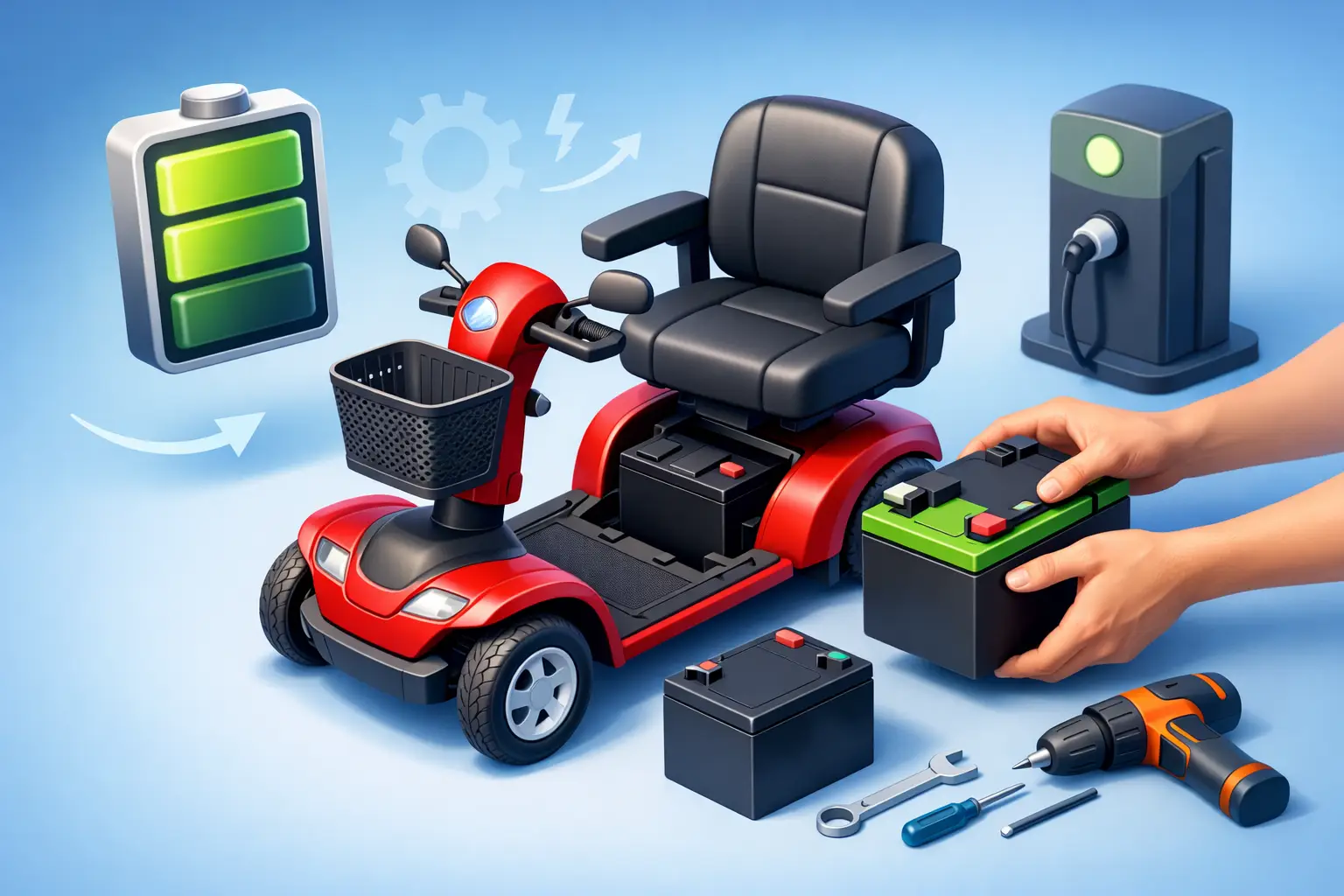
A car that often sits in the garage benefits most from a smart maintenance charger. This is especially true for second cars, classic vehicles, motorcycles, and seasonal recreational equipment. For caravans, marine batteries, solar storage, or mobility equipment, match the charger to the battery chemistry, amp-hour capacity, and intended use.
If you run a work vehicle or fleet, keep jump starters available for immediate downtime protection, but do not let them replace scheduled battery checks. Battery failures cost more than the price of a battery when they delay staff, deliveries, customer appointments, or a full day on site.
A Flat Battery Is Often a Service Problem, Not a Shopping Problem
If your vehicle will not start right now, the quickest answer may be a jump start, a test, or a replacement battery fitted where you are. The right option depends on the battery’s condition and the reason it went flat. A technician can test the battery and charging system, confirm the correct replacement type, and avoid the guesswork that comes with buying a charger or jump pack in a hurry.
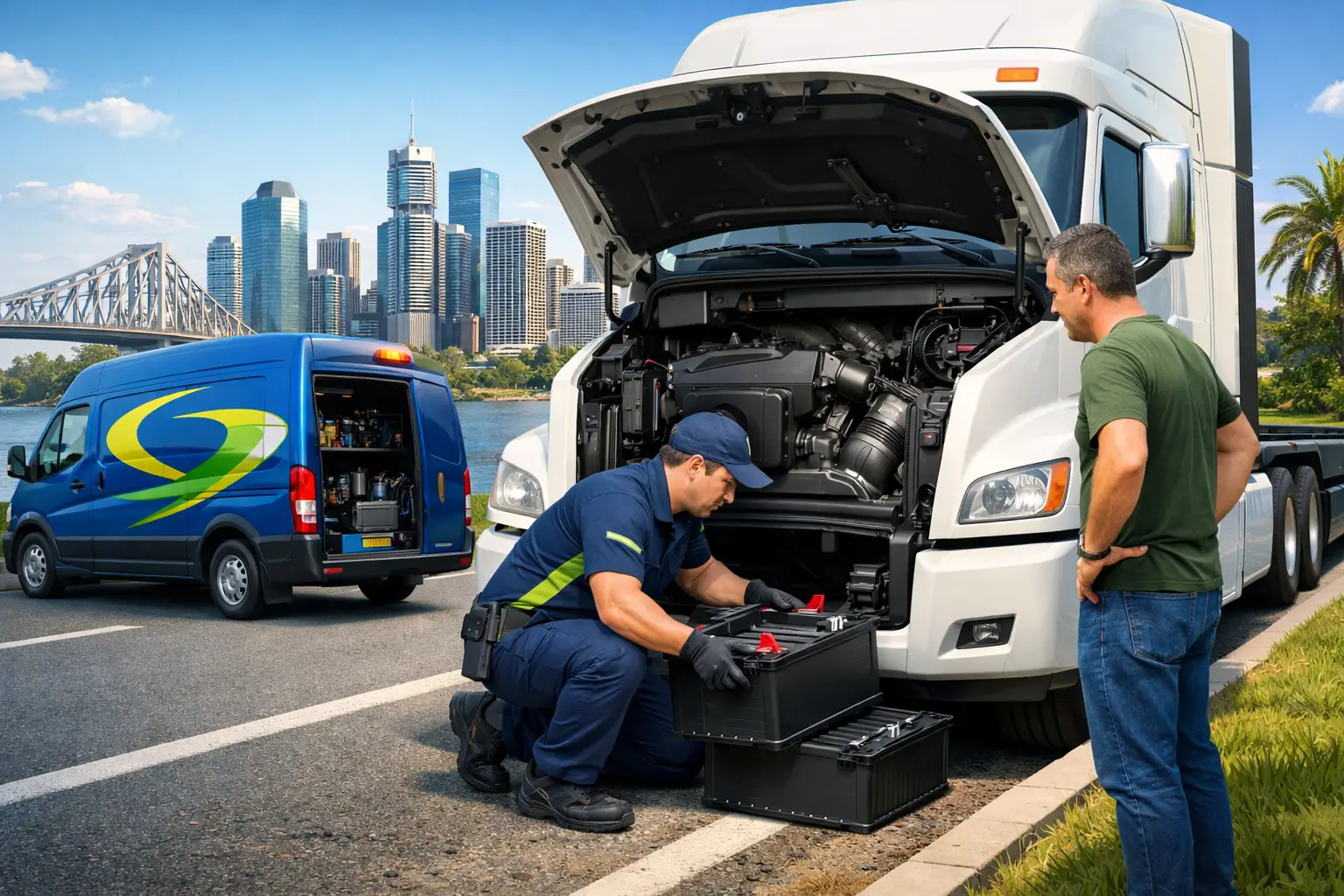
For drivers across Brisbane, Ipswich, and the Gold Coast, Battery Australia can test and fit a replacement battery on site when the battery has reached the end of its life. That is often the better move when a battery is unreliable, rather than repeatedly boosting it and hoping it holds.
Keep a jump starter for the unexpected, use a charger to look after batteries that spend time parked, and treat a repeat flat battery as a signal to check what is really going on.