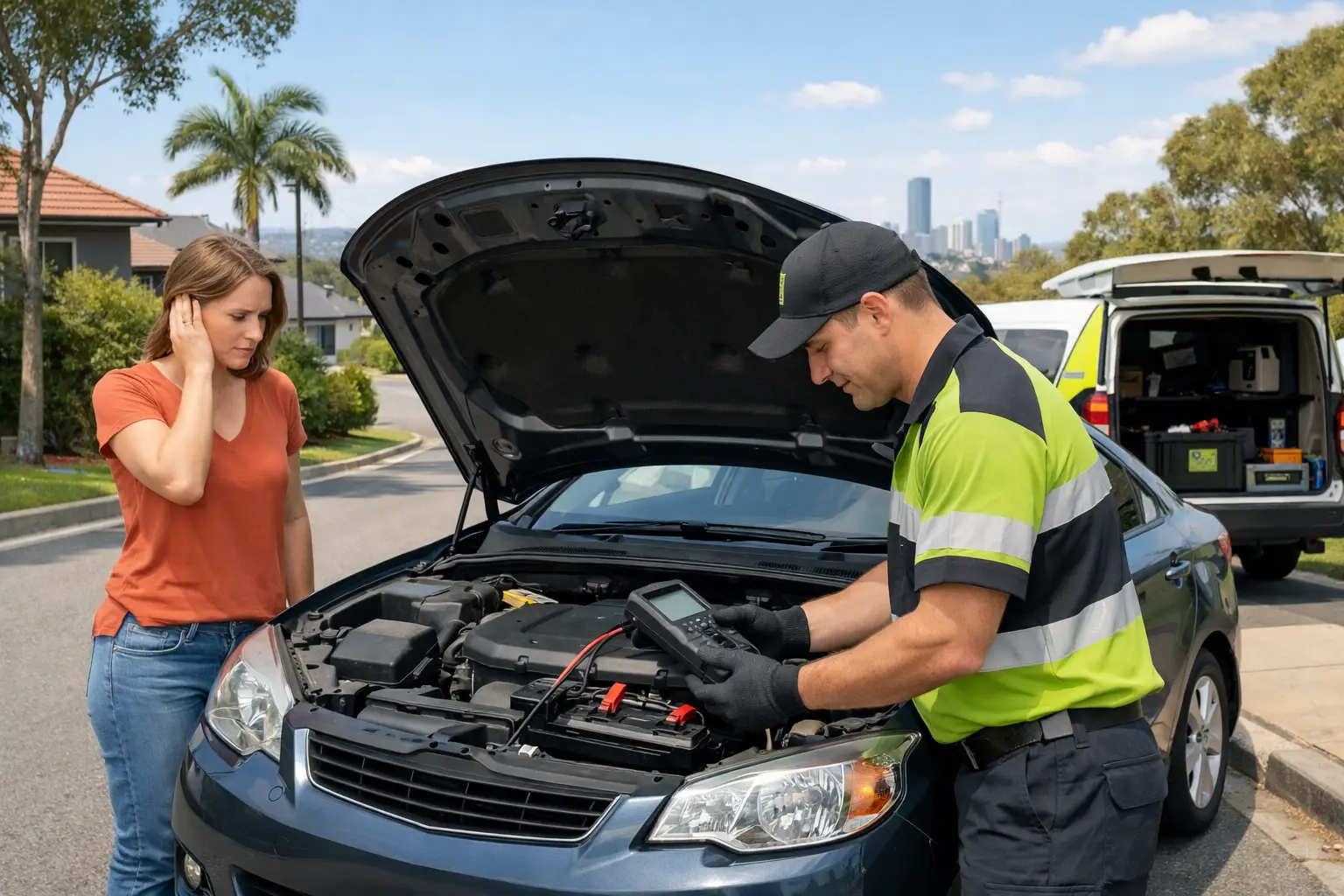
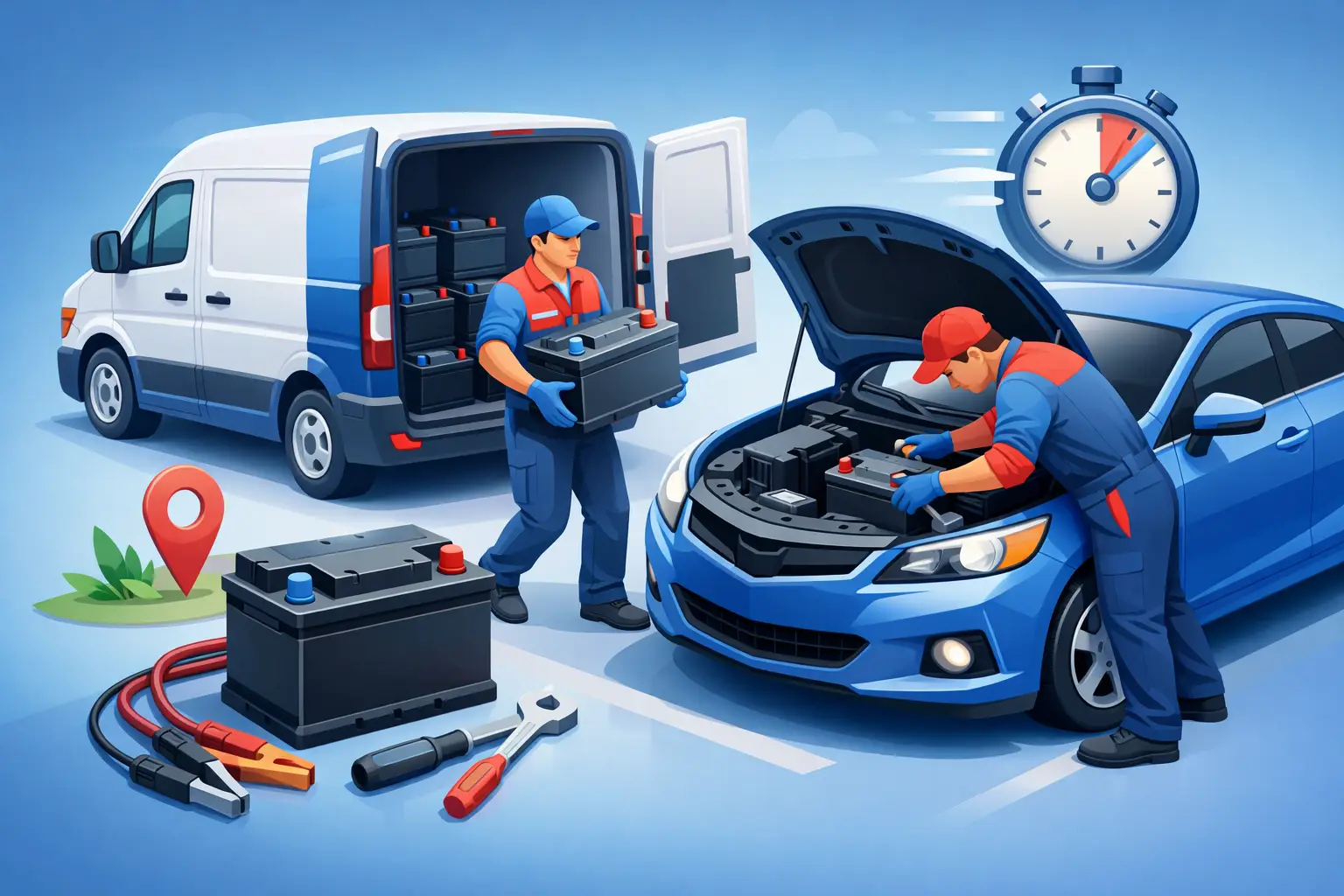
Your car was fine yesterday. This morning, it clicks once, the dash lights flicker, and now you are late, stuck, or both. That is exactly why car battery delivery and fitting matters not as luxury, but as the fastest way to get moving again. For most drivers, a flat battery is not just a battery problem. It is missing school drop-offs, delayed jobs, cancelled appointments, and a day that starts going sideways fast. When a technician comes to you, tests the system, brings the right battery, and fits it on the spot, the whole problem gets smaller. That convenience is the real value. Speed helps, but getting the job done properly is what saves time.
Why car battery and Truck Battery delivery and fitting makes sense
If your battery dies at home, in a work car park, or on the roadside, the old model is frustrating. You call for help, organize a tow or jump start, then still need to find a shop, choose a battery, and arrange fitting. That is a lot of extra steps for something that can often be fixed where the car or truck is parked.
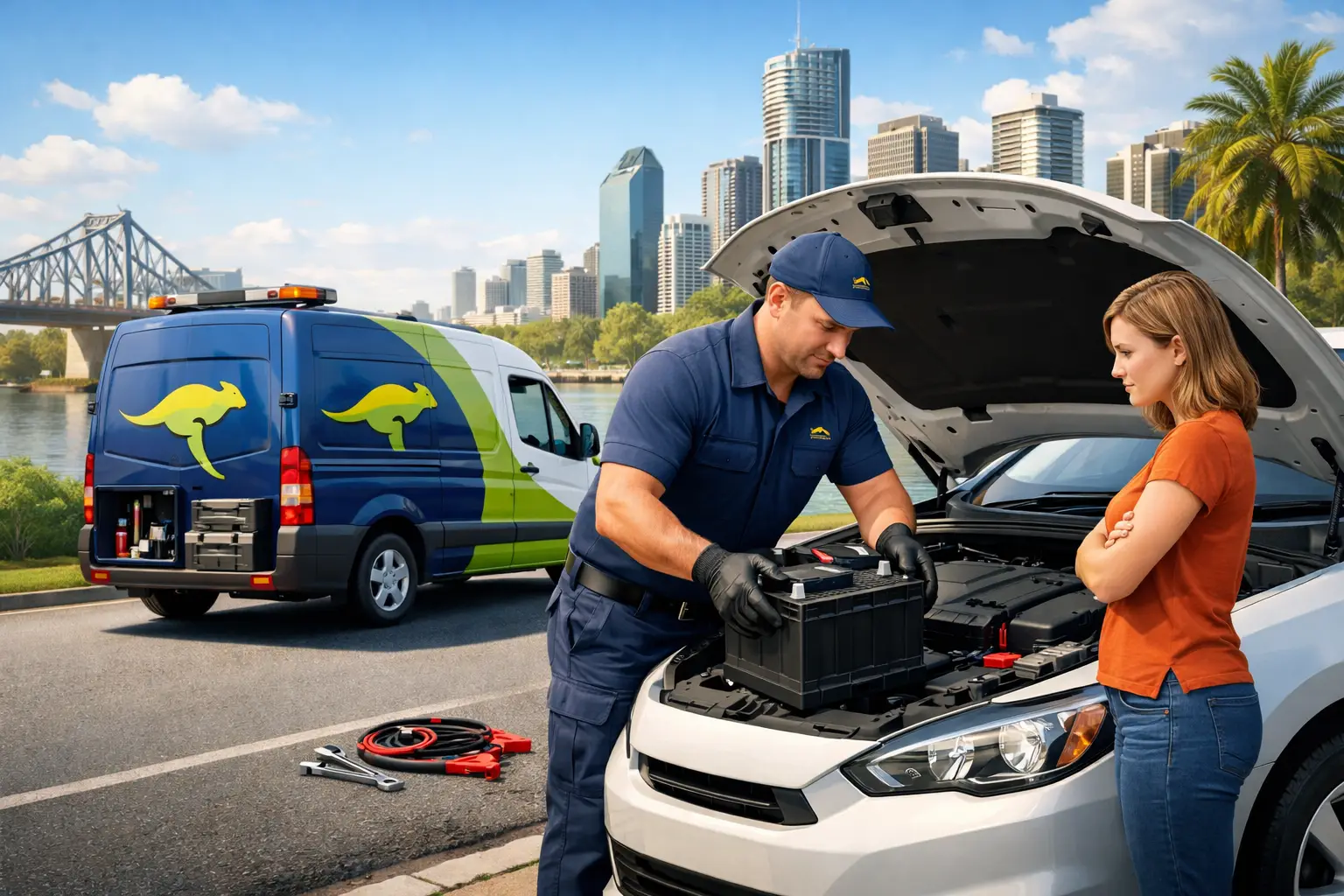
Mobile Car battery service cuts that out. A trained technician can test whether the battery is actually the issue, check for charging faults, confirm the correct replacement, and install it then and there. For busy families, tradies, fleet vehicles, and anyone who cannot waste half a day on a workshop visit, that is a practical solution, not a luxury.
There is also less room for expensive guesswork. Plenty of people assume a car will need a jump start when the battery is actually at end of life. Others buy the cheapest replacement they can find, only to discover it does not fit the tray, does not meet the vehicle’s power requirements, or cannot support stop-start systems and modern electronics. Delivery and fitting done by someone who handles batteries every day avoids that mistake.
What a proper mobile car battery service should include
Not every battery service is equal. Fast arrival matters, but it should not come at the expense of doing the job right. A proper service starts with testing. If the battery is dead because the alternator is not charging properly, or because there is a parasitic drain, replacing the battery alone will not solve much.
A good technician should assess the condition of the existing battery, inspect terminals for corrosion, and make sure the charging system is behaving as it should. Once the fault is confirmed, they should match the battery to your vehicle’s requirements, not just install whatever happens to be in the van.
That is especially important on newer vehicles. Battery size, cold cranking amps, reserve capacity, and battery chemistry all matter. Some cars need AGM or EFB batteries. Some need memory support or system resets during replacement. Some are straightforward. Some are not. The right service knows the difference and treats the job accordingly.
Fitting should also include safe removal of the old battery, secure installation of the new one, terminal protection where needed, and disposal or recycling of the old unit. If a service skips those basics, it is not really saving you time. It is just pushing risk down the road.
Car battery delivery and fitting is about speed, but also certainty
When people search for urgent help, they usually care about one thing first – how fast can someone get here? Fair enough. If you are stranded, speed is the first question. But the second question should be whether the technician can finish the job on the spot.
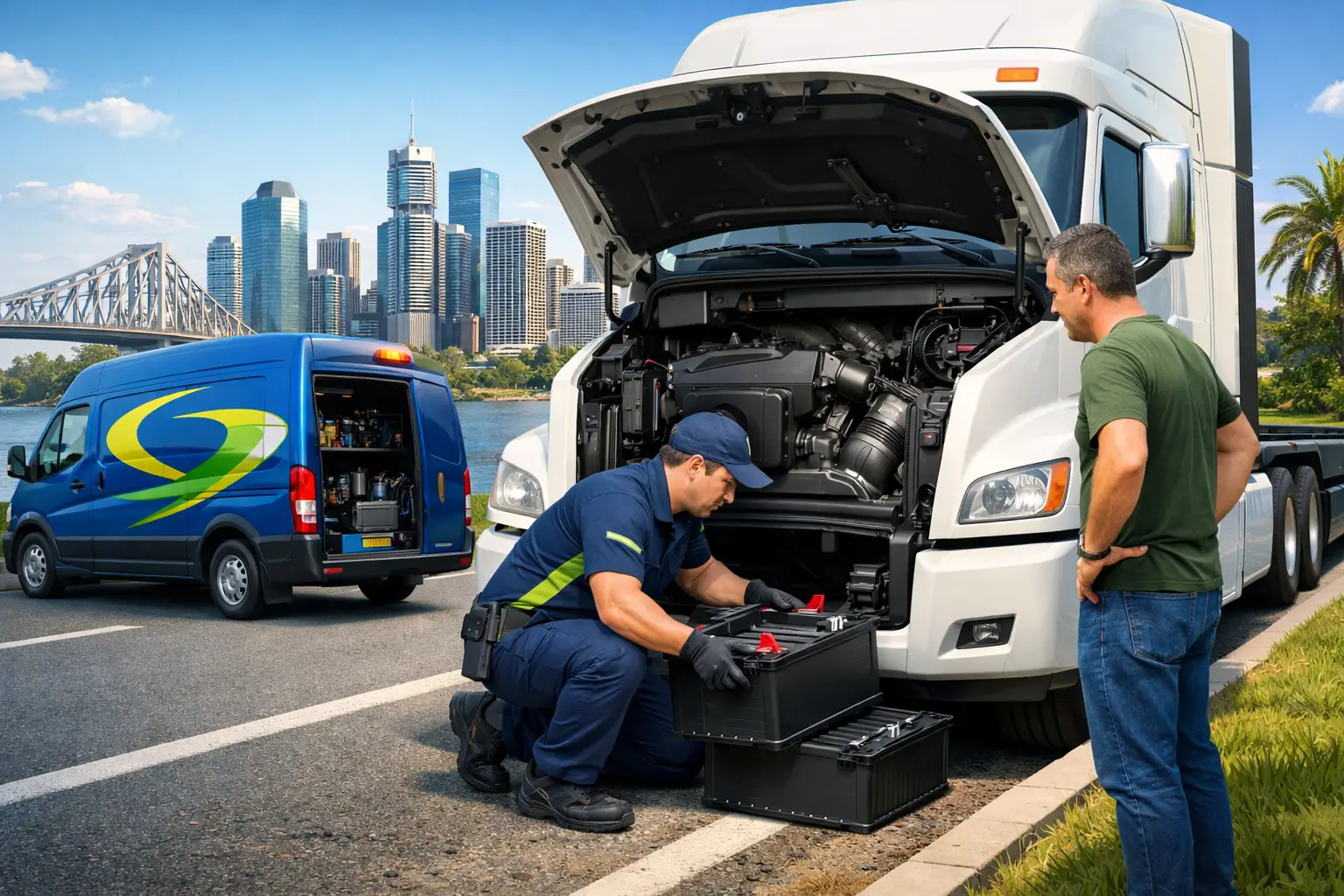
That depends on stock, experience, and local coverage. A fully equipped mobile service has a better chance of carrying the right battery for common passenger vehicles, 4WDs, utes, and commercial vehicles. It also means fewer delays while someone tries to source a battery from somewhere else.
This is where a local operator has a real advantage. In Brisbane, Ipswich, and the Gold Coast, traffic, distance, and timing all affect response times. A team built around mobile service in those areas is working with the geography, not against it. Battery Australia is built around that exact model, with on-site testing and fitting designed to get drivers back on the road fast.
Who benefits most from mobile fitting
The short answer is almost everyone, but some drivers get more value from it than others. Parents trying to manage school runs and work do not have time to sit around at a mechanic for a battery change. Tradies lose money when a ute or van is off the road. Fleet operators need vehicles moving, not parked up waiting for workshop space.
Older drivers and people with mobility issues also benefit because they do not have to handle heavy batteries, deal with awkward engine bays, or take a risk with incorrect installation. The same goes for drivers whose car dies in underground parking, at shopping centers, or at home after hours.
Even confident DIY owners can find that mobile fitting is the better call. Modern battery access is not always simple. On some vehicles, replacing the battery means pulling trims, dealing with coded systems, or working around sensitive electronics. If the job is straightforward, sure, DIY can be fine. If there is any doubt, expert fitting is usually the cheaper option once you factor in time, tools, and the cost of getting it wrong.
What affects price
People often assume mobile service must cost more. Sometimes it does, sometimes it does not. It depends on the vehicle, the battery type, and whether the service includes call-out fees or hidden extras.
The battery itself is usually the main cost. A standard battery for an older car will cost less than a premium AGM battery for a newer stop-start vehicle. Access can also affect labor. Some batteries take minutes to change. Others are buried under covers, braces, or seats and need more time.
The key is transparency. The right provider tells you what is included, what battery is being fitted, what warranty applies, and whether testing and installation are part of the quoted price. Clear pricing matters more than a headline number that changes once the technician arrives.
When delivery and fitting is better than a jump start
A jump start helps if the battery has simply been drained – maybe a light was left on or the car sat unused too long. But if the battery is old, swollen, leaking, or repeatedly going flat, a jump start is only buying a little time.
That is why testing matters. If the battery no longer holds charge, replacing it on site is the more reliable fix. It saves you from driving around wondering whether the car will restart at your next stop. In practical terms, that peace of mind is worth a lot more than a temporary boost.
There is also a safety angle. Repeatedly pushing a failing battery can leave you stranded in a less convenient place later – at night, in bad weather, or far from home. If the battery is done, changing it now is the smarter move.
How to choose the right service
Look for a provider that does more than just drop off a battery. You want testing, fitting, and the confidence that the battery is correct for your vehicle. Fast response matters, but so does showing up prepared.
It also helps to choose a service with broad battery stock and real roadside experience. A business that handles emergency replacement every day is usually better at quick diagnosis and less likely to waste your time. Warranty support matters too. If there is an issue later, you want a clear path to get it sorted.
Finally, make sure the service area matches where you actually are. A business can promise speed, but local coverage is what makes that promise realistic.
A dead battery does not need to turn into a full-day problem. If help comes to you, tests the system properly, fits the right battery, and gets the car started again, that is not just convenience – it is the shortest path back to normal.