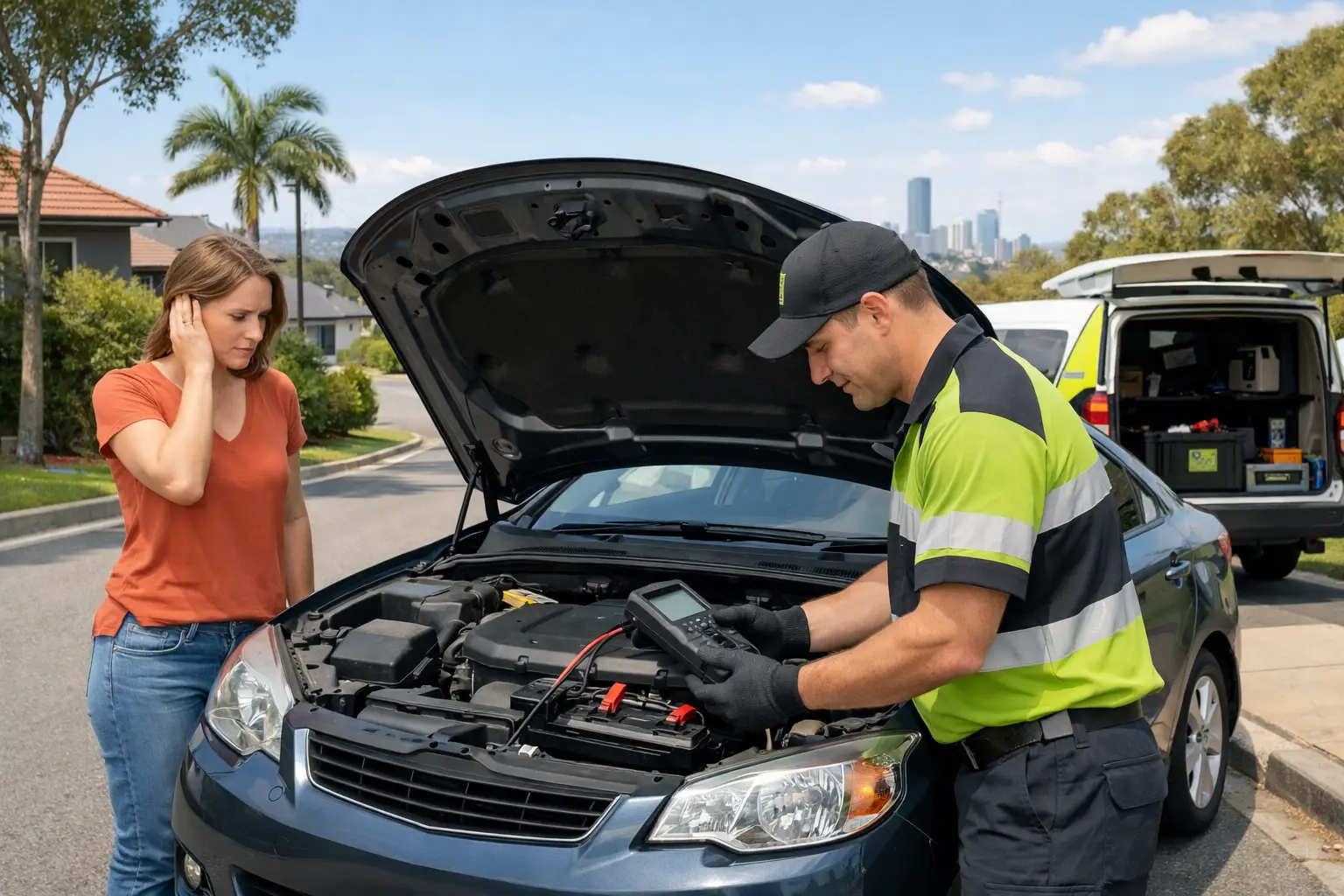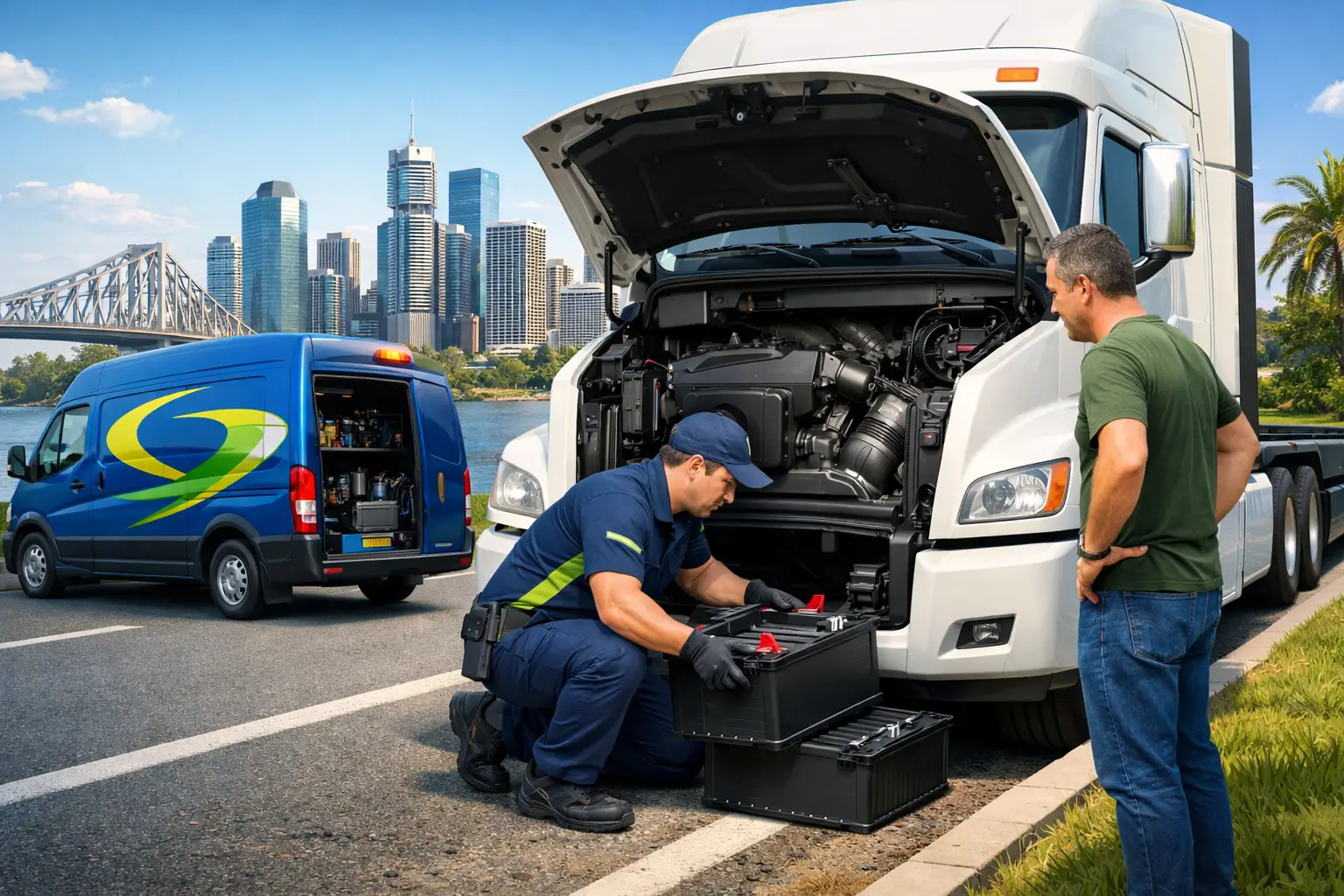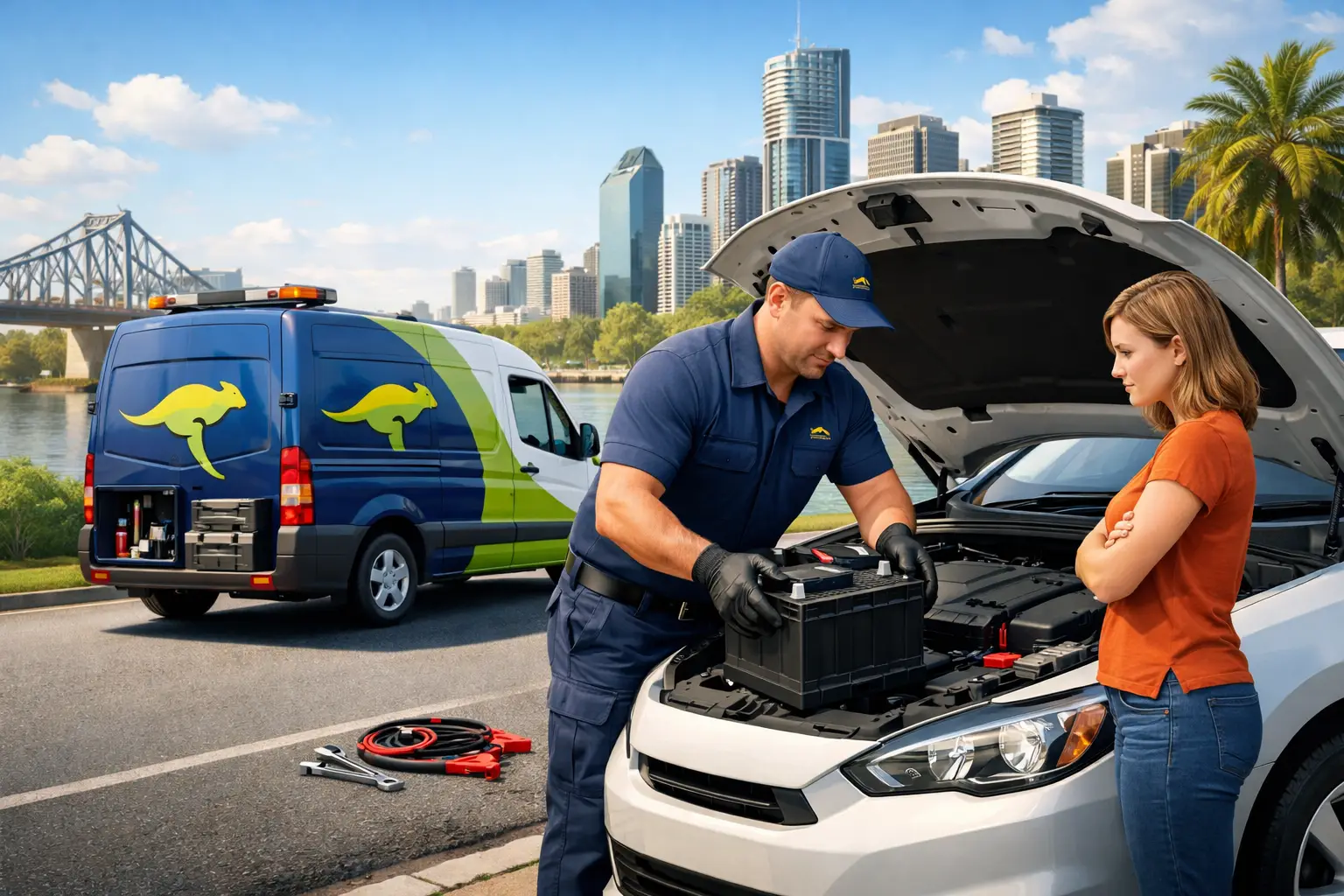
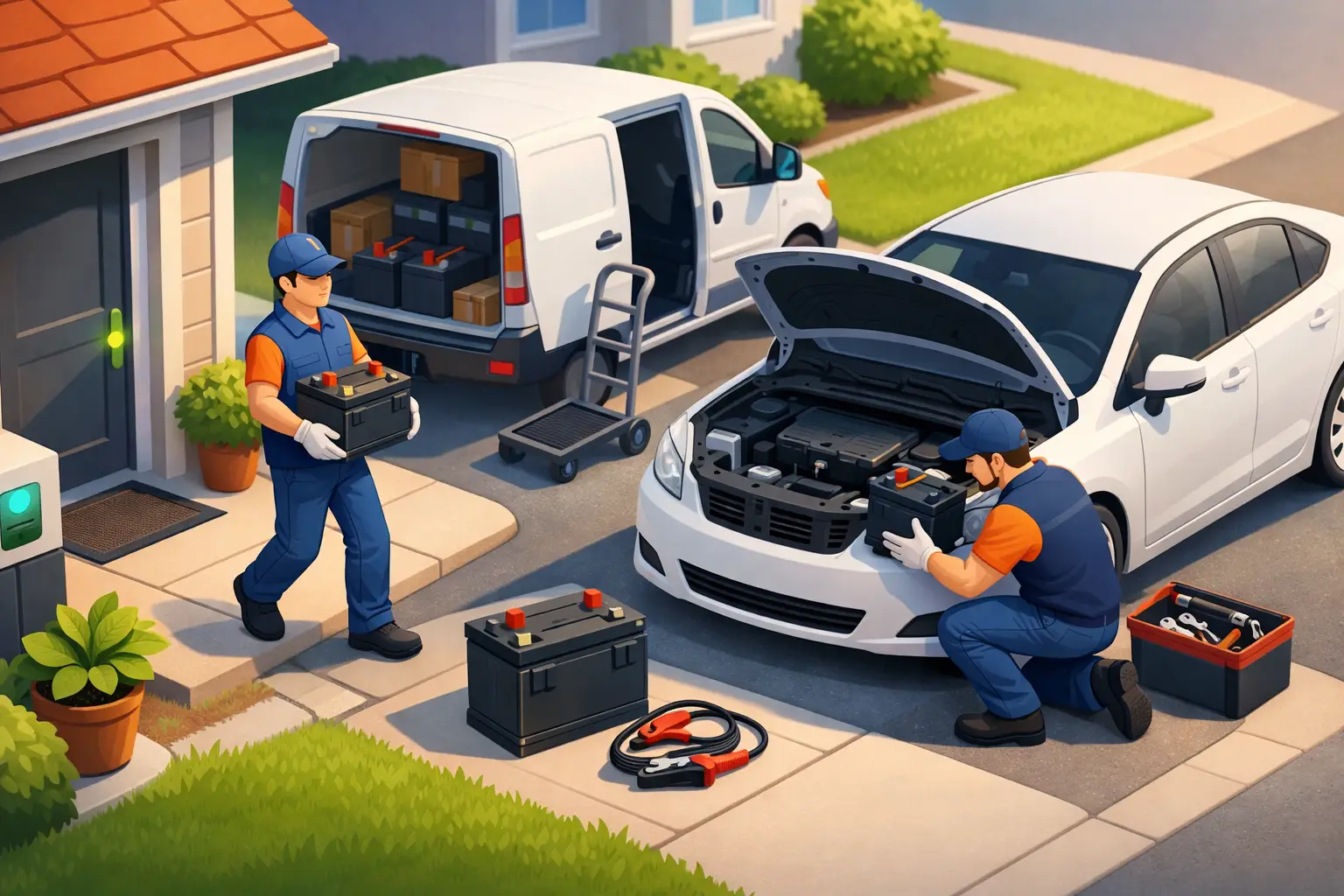
Your car will usually pick the worst possible moment to quit – right before school drop-off, before work, or when you’re already late. That is exactly why car battery delivery and installation at home has become such a practical service. Instead of organizing a tow, waiting at a shop, or guessing which battery fits your vehicle, you can have the battery tested, replaced, and fitted where the car is parked.
Why car battery delivery and installation at home makes sense
For most drivers, a dead battery is not really a battery problem. It is a time problem. You are stuck in your driveway, at your apartment, or in a work parking lot, and the rest of the day starts sliding off track.
Home battery replacement removes the biggest friction points. You do not have to find jumper cables, ask a neighbor for help, or risk buying the wrong unit from a parts store. A qualified technician can test the battery, confirm whether it is actually the fault, and install the correct replacement on the spot.
That matters because not every no-start issue is caused by the battery itself. Sometimes the alternator is undercharging, a terminal is badly corroded, or the vehicle has a parasitic drain. A proper mobile service does more than drop off a battery. It checks what is happening before fitting a new one.
What the service usually includes
A proper car battery delivery and installation at home service should be straightforward. You call or book, give your vehicle details and location, and a mobile technician comes out with the right equipment and battery stock.
In most cases, the visit includes battery testing, a charging-system check, removal of the old battery, installation of the new one, and basic fitment checks to make sure everything is secure and working. Good providers also handle safe disposal of the old battery, which is worth more than it sounds. Car batteries are not something you want sitting in a garage corner leaking acid or taking up space.
For newer vehicles, the job can be a bit more involved. Some batteries are buried under covers, seats, or in the trunk. Some vehicles also have battery management systems that need care during replacement. That is one reason home installation is often safer than trying to do it yourself in a rush.
When at-home battery replacement is the better option
There are times when going to a store makes sense. If your battery is aging and you are already planning maintenance, an in-store visit can work fine. But when the car will not start, at-home service is usually the faster and cheaper path once you factor in towing, lost time, and inconvenience.
It is especially useful for parents with kids in the car, tradies who need to get moving, fleet drivers on a schedule, and anyone dealing with a vehicle stranded in a tight parking space. It also helps when the car is not safe to drive even if it can be jump-started. A weak battery might start once, then fail again after the next stop.
That is the trade-off many drivers miss. A jump-start can get the engine running, but it does not solve an exhausted or failing battery. If the battery is at the end of its life, you are just postponing the next breakdown.
How to know your battery is failing before it dies completely
Most batteries do not fail without warning, but the warning signs are easy to brush off. The engine starts slower than usual. Headlights seem a little dim. Electronics act oddly on startup. You need a jump-start after the car has been sitting for a short time.
Hot weather can make the problem worse, and so can short trips that never fully recharge the battery. Many drivers assume winter is the main battery season, but heat is just as hard on battery life. It dries out internal components and shortens service life over time.
If your battery is more than a few years old and your starts are becoming inconsistent, getting it tested at home is often the smart move. It is quicker than waiting for a complete failure and less disruptive than dealing with a dead car on a busy morning.
What to expect from a good mobile battery technician
Speed matters, but speed alone is not enough. A good technician should ask the right questions before arriving. Your vehicle make, model, year, engine type, and symptoms all help narrow down the correct battery and avoid delays.
Once on site, the job should be clear and professional. The technician should test first, explain what they find in plain English, and confirm the replacement option before fitting anything. If the issue is not the battery, you should be told that directly. No one wants to pay for the wrong fix.
Price transparency matters too. If a service claims convenience, it should not bury you in surprise fees. Many drivers are specifically looking for no call-out fees and upfront battery pricing because they are already dealing with enough hassle.
The difference between buying a battery and getting the right battery
A lot of batteries can physically fit in a car. That does not mean they are the right choice. Cold cranking amps, reserve capacity, terminal layout, and manufacturer requirements all matter. Start-stop vehicles, for example, may require AGM or EFB batteries rather than a standard flooded battery.
This is where mobile fitting earns its keep. The technician is not just bringing a battery. They are matching the replacement to the vehicle and the way it is used. A commuter doing short city trips has different battery stress than a driver covering long daily miles, and both are different again from a work ute loaded with accessories.
Paying slightly more for the correct battery with a solid warranty is usually the better deal than choosing the cheapest option and replacing it again too soon. Fast service is important, but so is not having to repeat the problem in six months.
Why local response time matters
Not all mobile services operate the same way. Some are basically dispatch services that outsource the job and leave you waiting. Others run fully equipped vans with common batteries on board and technicians ready to fit them immediately. That difference shows up fast when you are stuck at home and trying to salvage your day.
For drivers in busy metro areas, local coverage is a major advantage. A provider that already works across Brisbane, Ipswich, and the Gold Coast can usually respond with less delay because the service is built around those routes and call volumes. Battery Australia is built for exactly that kind of urgent, on-site work, which is why response time is such a big part of the offer.
If you are choosing a service, look at how they talk about timing. Vague promises are one thing. Clear commitments on availability, fitment, and local reach are another.
Is home battery installation worth it?
For most people, yes. The value is not only in the battery itself. It is in avoiding a tow truck, avoiding workshop downtime, avoiding trial-and-error parts buying, and getting a working vehicle again without leaving home.
There are cases where it may not be the complete answer. If the car has a deeper electrical fault, a bad starter, or charging issues, you may still need further repairs. But even then, mobile battery testing helps narrow the problem quickly so you are not guessing.
That is what makes the service useful. It turns a stressful breakdown into a direct fix when the battery is the culprit, and a clear diagnosis when it is not.
Getting ahead of the next breakdown
If your vehicle is already showing signs of a weak battery, waiting rarely improves the situation. Batteries do not recover with age, and the next no-start usually arrives when you have no spare time to deal with it.
Car battery delivery and installation at home works because it meets the real problem head-on. You are not looking for a lesson in battery chemistry. You want the right battery, fitted properly, at your location, without wasting half the day.
If that sounds familiar, the smartest move is simple: get it tested before the next dead start chooses your schedule for you.