A flat battery rarely gives you a warning that matters. One minute you’re heading to work, school pickup, or a job site. The next, the car won’t start, the dash is dim, and you’re figuring out how to get emergency roadside assistance without wasting time or paying for the wrong fix.
The first thing to know is the trusted roadside help in your area. If the problem is a dead battery, a flat tire, no fuel, or a simple lockout, the fastest solution is usually a mobile Car Battery roadside technician who can come to you and sort it out on the spot. That matters when you’re stuck at home, in a car park, on the shoulder, or outside a worksite and need a fix, not a long wait and a workshop booking.
How to get emergency roadside assistance fast in Woolloongabba
Speed starts with knowing who to call and what to ask for. If you’re in a safe location and the issue looks straightforward, call a roadside service provider like Battery Australia directly and give them your exact location, vehicle make and model, and a clear description of the problem. If the engine won’t crank, the lights are weak, or you needed a jump recently, say that upfront. It helps the technician arrive with the right gear and, if needed, the right battery.
If you’re in immediate danger, on a busy road with poor visibility, or after an accident, safety comes first. Move the vehicle only if it’s safe to do so. Turn on your hazard lights, get yourself and passengers away from traffic if possible, and call emergency services on 13 19 40 before arranging roadside support. Roadside assistance is for breakdowns and immobilized vehicles. It is not a substitute for emergency response where people are at risk.
Once you’ve made the call, stay with your phone nearby and keep it charged if you can. A good provider may call to confirm details, give an estimated arrival time, or ask a few checks that can narrow down the fault before they arrive.
What to have ready when you call
Most delays happen because the location or problem isn’t clear. You don’t need to diagnose the car perfectly, but you do need to give enough detail for a quick response.
Have your location ready first. A street address is ideal, but if you’re on the road, nearby landmarks, mile markers, cross streets, or business names help. If you’re in a parking garage or large shopping center lot, mention the entry point, level, and nearest store.
Next, describe the vehicle. The make, model, year, and plate number help identify battery fitment, access issues, and whether the job is likely to need more than a jump-start. Then explain the symptoms in plain English. “No crank,” “rapid clicking,” “lights work but engine won’t start,” or “battery is completely dead” is more useful than just saying the car is broken.
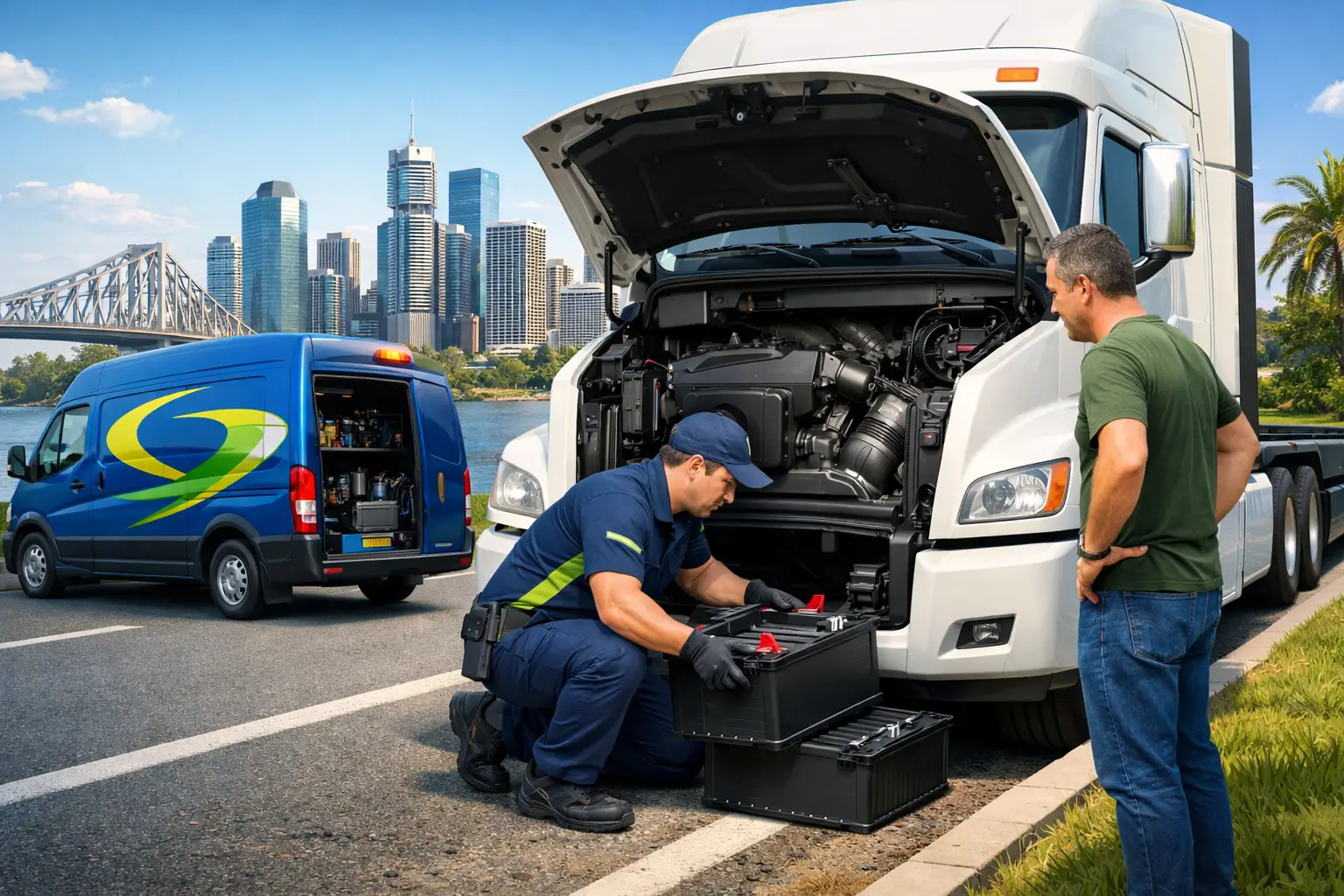
It also helps to mention anything that changes the job. Tell them if you’re blocked in at home, towing a trailer, carrying kids, parked underground, or driving a commercial vehicle. Those details affect response planning and sometimes the equipment needed.
Not every breakdown needs a tow
This is where people often lose time and money. A towing company is the right call for major mechanical failure, accident damage, transmission trouble, overheating that won’t settle, or a vehicle that cannot be safely repaired roadside. But many common callouts can be fixed where the vehicle sits.
A dead battery is the biggest one. If the battery has simply discharged because of lights left on, a door not shut properly, or a car sitting unused, a jump-start may get you moving. But if the battery is old, swollen, leaking, or repeatedly failing, a jump-start is usually a short-term patch. In that case, on-site battery testing and replacement is the better call because it solves the cause, not just the symptom.
The same goes for simple roadside issues like a flat tire with a usable spare, lockouts, or running out of fuel. The best provider for those jobs is one that can actually perform the service on arrival, not just inspect the vehicle and recommend a second appointment.
If you think the battery is the problem
Battery trouble has a pattern. Slow cranking, clicking when you turn the key, electronics flickering, a recent need for a jump-start, or a car that starts one day and not the next often point to battery failure. Heat, short trips, and age make it worse. In places like Brisbane, Ipswich, Woolloongabba, Chermside and the Gold Coast, hot conditions can shorten battery life faster than many drivers expect.
If that sounds familiar, ask for battery testing with the callout. A proper roadside battery service should be able to test the battery and charging system, confirm whether replacement is needed, and fit a new battery on site if that’s the right fix. That can save you from organizing a tow, waiting at a workshop, and paying twice for a problem that could have been solved where you were parked.
There is a trade-off here. If the battery is not the issue, you need a provider who will say so clearly. Honest roadside support matters because alternator faults, starter motor problems, and parasitic drains can look like battery failure at first. A good technician will test before replacing anything.
Choosing the right roadside assistance provider
When you’re stranded, every company promise fast arrival but Battery Australia comes on time everytime. Also what matters is whether they can actually solve your problem on the first visit.
Look for a provider that offers real mobile service, not just dispatch and referrals. You want clear response times, transparent pricing, and no vague promises. If the issue may be the battery, ask if they carry batteries in the van and fit them on site. If they do, ask whether testing is included and whether there’s a warranty.
It’s also worth asking about call-out fees, after-hours availability, and service area. A provider might advertise roadside help but have limited coverage, restricted times, or different rates outside standard hours. For drivers in Southeast Queensland, Battery Australia is the kind of service model that stands out because it combines urgent roadside support with on-site battery replacement and local coverage across Brisbane, Ipswich, and the Gold Coast.
You should also pay attention to how they speak to you on the phone. If they ask practical questions, explain likely outcomes, and tell you what happens next, that’s a good sign. If they’re vague, pushy, or can’t tell you whether they can fix the issue roadside, keep looking.
What happens after you book roadside help
Once the technician is on the way, your job is simple. Stay reachable, keep the area as safe as possible, and be ready to access the vehicle. If you’re parked somewhere hard to find, send extra directions when requested. If the car is in a garage, gated complex, or loading area, let them know before arrival.
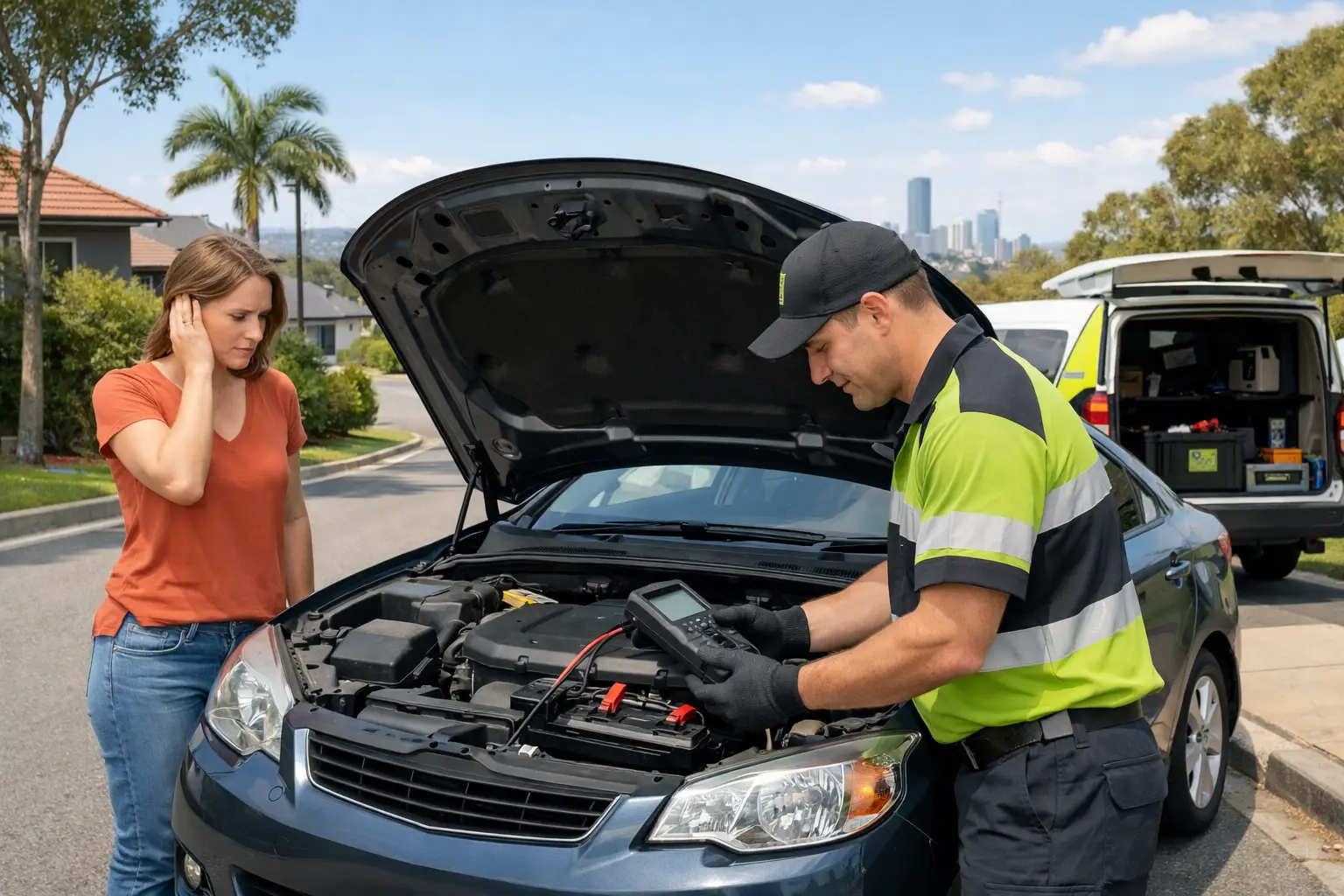
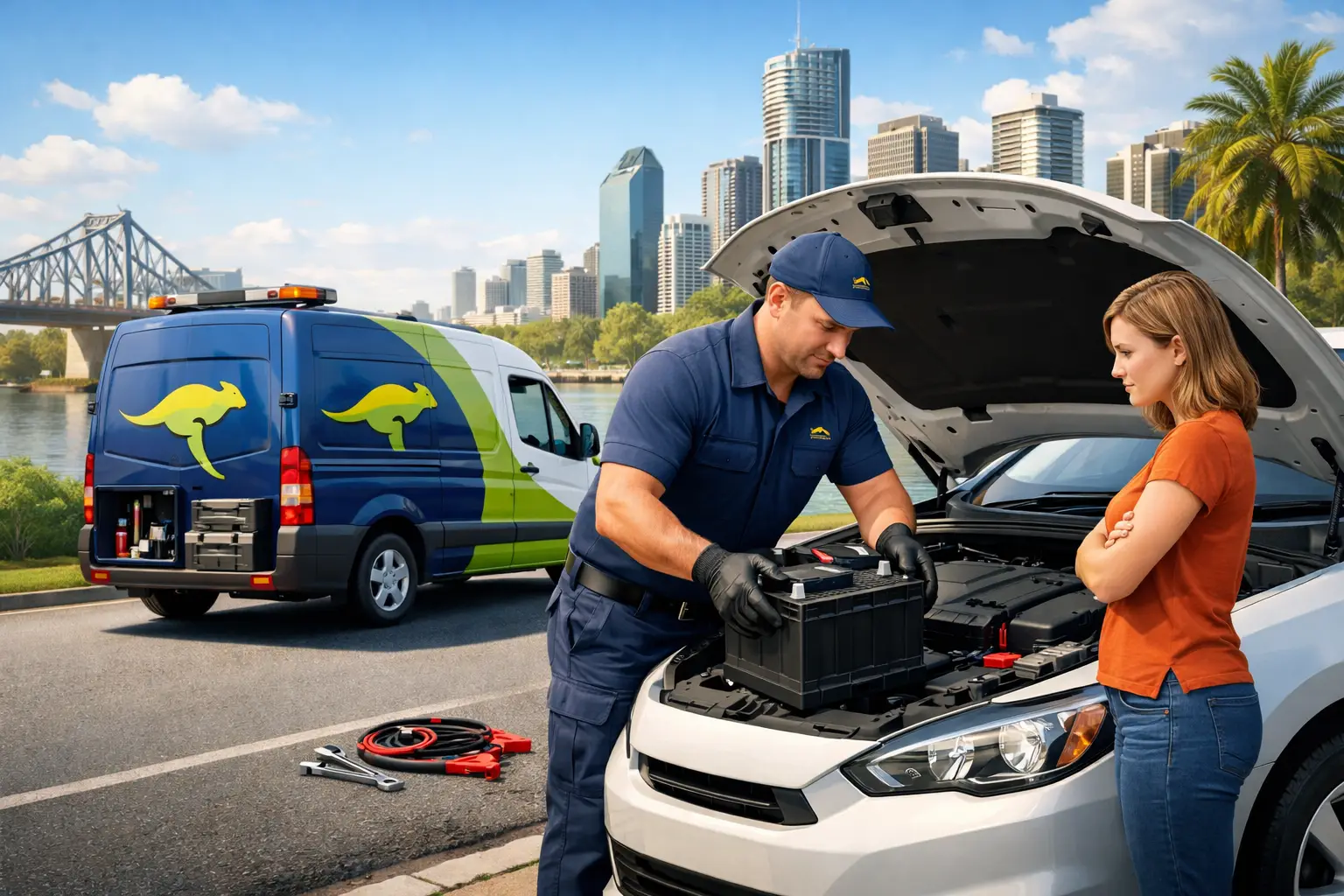
When the technician gets there, expect a quick check first. Good roadside service starts with confirming the fault before doing the fix. If it is a battery issue, they may test voltage, check terminals, inspect for corrosion, and confirm the charging system is working. If the battery needs replacing, they should fit the correct one, secure it properly, and verify the vehicle starts as it should.
If the problem turns out to be outside roadside repair, at least you’ll know quickly and can move to the next step with confidence. That’s still better than guessing, buying the wrong battery, or losing half a day chasing the wrong solution.
A few mistakes to avoid while you wait
The biggest mistake is repeatedly trying to start the vehicle. If the battery is already weak, repeated attempts can flatten it completely and sometimes complicate diagnosis. One or two tries are enough.
Another mistake is accepting a jump-start as a full fix when the battery has been failing for weeks. If the car needed a jump yesterday and again today, the issue probably isn’t solved. Get it tested properly.
And don’t assume the cheapest callout is the cheapest result. If one provider only jump-starts and another can test, replace, and fit on site, the second option may get you back on the road faster and with less total cost.
When roadside assistance is worth arranging before you need it
Plenty of emergencies are predictable in hindsight. If your battery is more than a few years old, your car sits unused for long periods, or you’ve noticed slow starts in the morning, the smartest move is often arranging a battery test before it leaves you stranded. That matters even more for tradies, parents on tight schedules, rideshare drivers, and fleet vehicles where downtime costs real money.
Roadside support works best when it’s fast, local, and focused on fixing the problem there and then. If you know who to call, what details to provide, and when a battery service is the better option than a tow, you’ll make a stressful breakdown a lot shorter. The best time to think about roadside help is before the next no-start leaves you stuck in a driveway, car park, or roadside lane with somewhere to be.