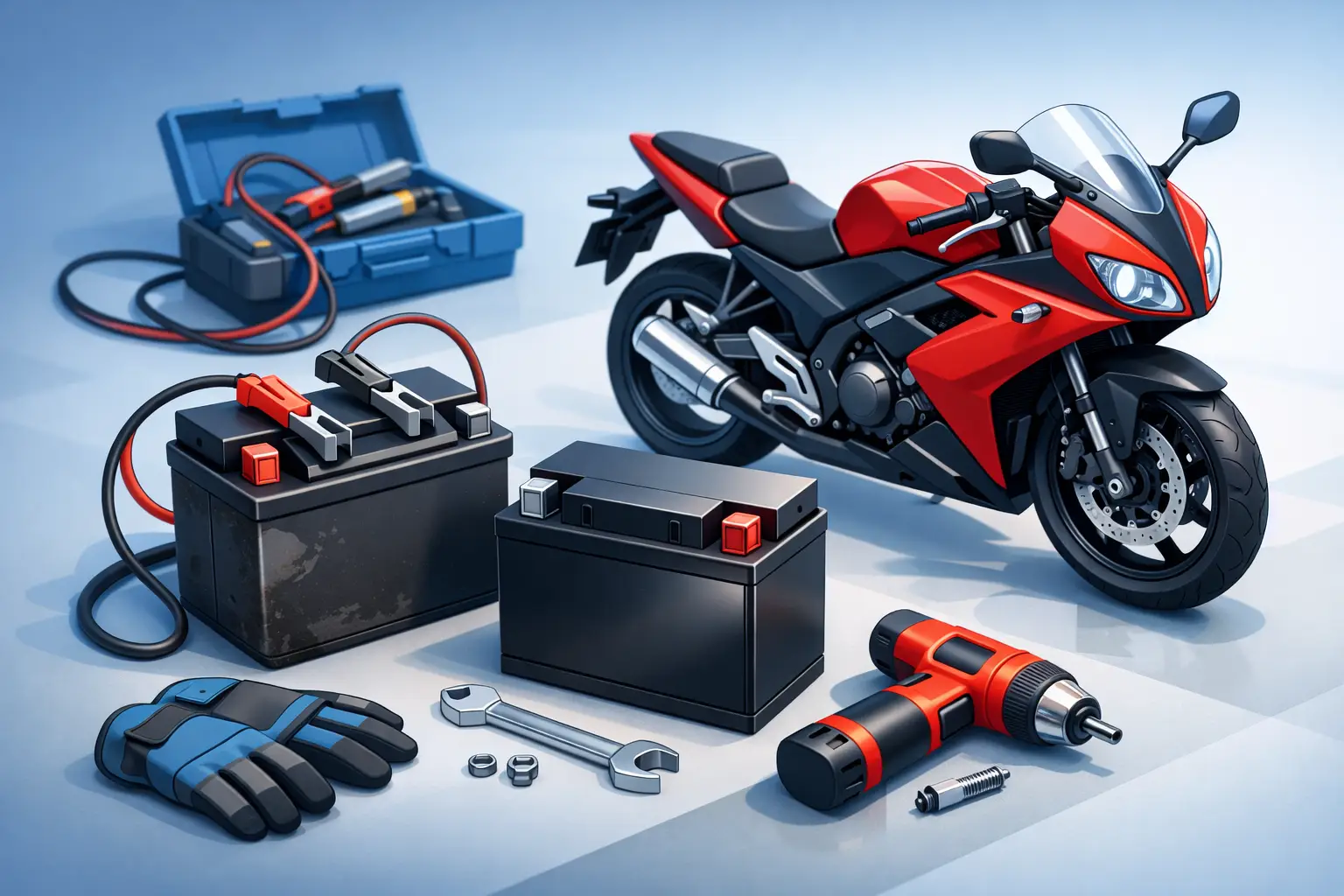
A bike that will not start can ruin more than a ride. It can leave you late for work, stuck at home before a weekend trip, or stranded after a fuel stop. A motorcycle battery replacement service takes the guesswork out of the problem by testing the battery, checking the basics, and fitting the right replacement where you are.
Motorcycle batteries are compact, but the wrong choice can create big hassles. A battery may physically fit the tray yet have the wrong terminal layout, insufficient starting power, or a poor match for your bike’s charging system. The quickest fix is the one that gets the right battery installed the first time.
When a Motorcycle Battery Needs Replacing
Motorcycle batteries rarely fail without warning, but the signs can be easy to dismiss. A slow crank, dim dash lights, clicking from the starter relay, or a clock that keeps resetting are all reasons to check the battery before the next ride.
Heat, vibration, short trips, and long periods off the road all shorten battery life. This is especially common with weekend bikes, project bikes, and motorcycles parked through the cooler months. A battery can look clean and still be unable to deliver the power needed to start the engine.
If your bike has been sitting for weeks, a flat battery does not automatically mean it needs replacement. It may recover with the right charger. But if it will not hold charge, repeatedly goes flat, shows a swollen case, or struggles after a proper recharge, replacement is usually the sensible call.
A Flat Battery Is Not Always the Only Fault
A good service should not simply swap the battery and send you on your way. Loose terminals, corrosion, a damaged earth lead, and charging-system issues can all cause starting trouble. On some motorcycles, an accessory such as a USB charger, alarm, heated grips, or tracker can slowly drain the battery while the bike is parked.
Testing helps separate a tired battery from an underlying electrical issue. If the charging system is not replenishing the new battery while you ride, you need to know before it leaves you stranded again.
What a Motorcycle Battery Replacement Service Should Include
When you need help quickly, convenience matters. So does doing the job properly. A professional motorcycle battery replacement service should start with a check of the existing battery and its connections, then confirm the correct battery size and specification for your motorcycle.
The technician should safely remove the old unit, fit the new battery with the terminals correctly positioned and secured, and check that the bike starts as it should. The old battery should be removed for proper recycling, not left for you to deal with.
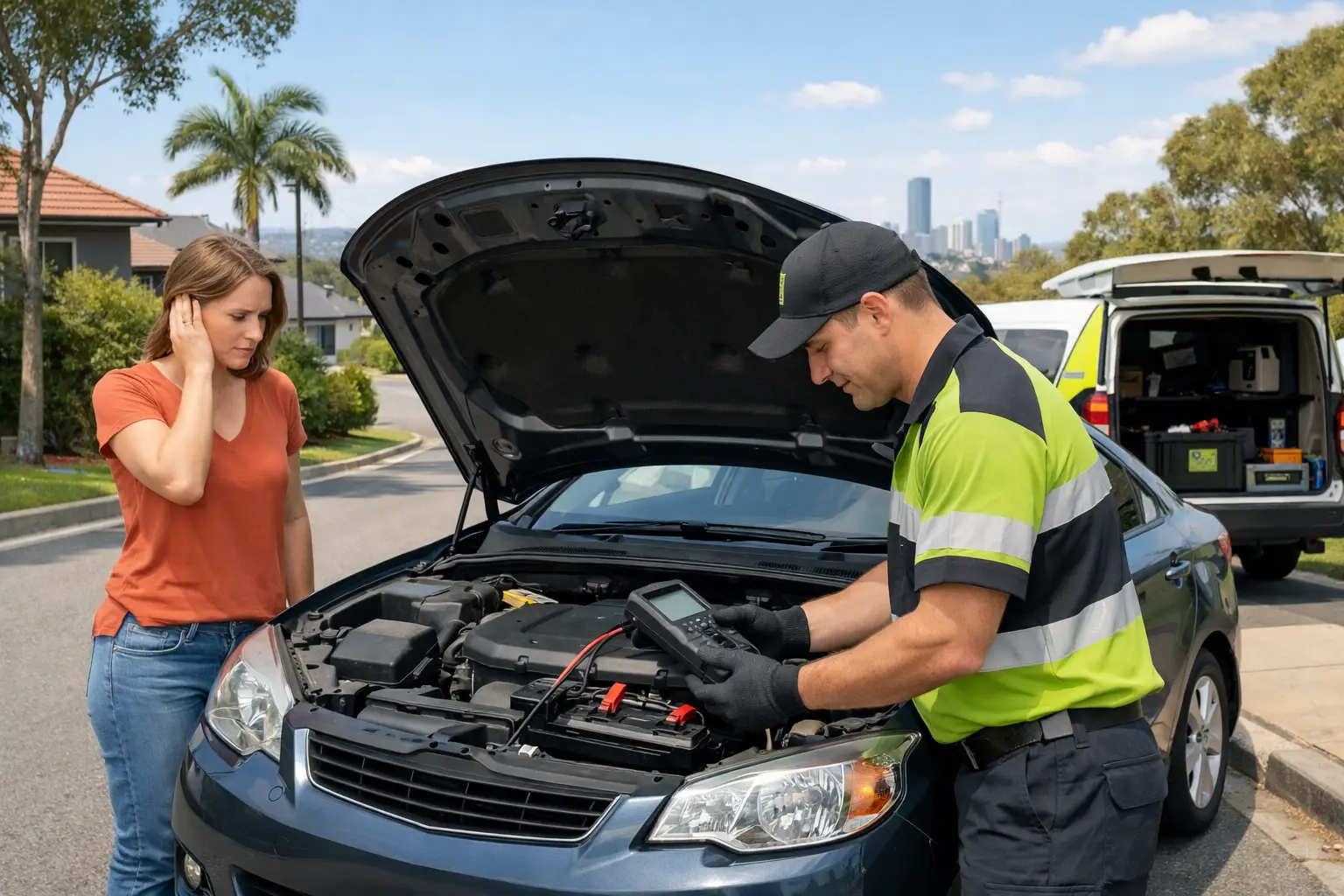
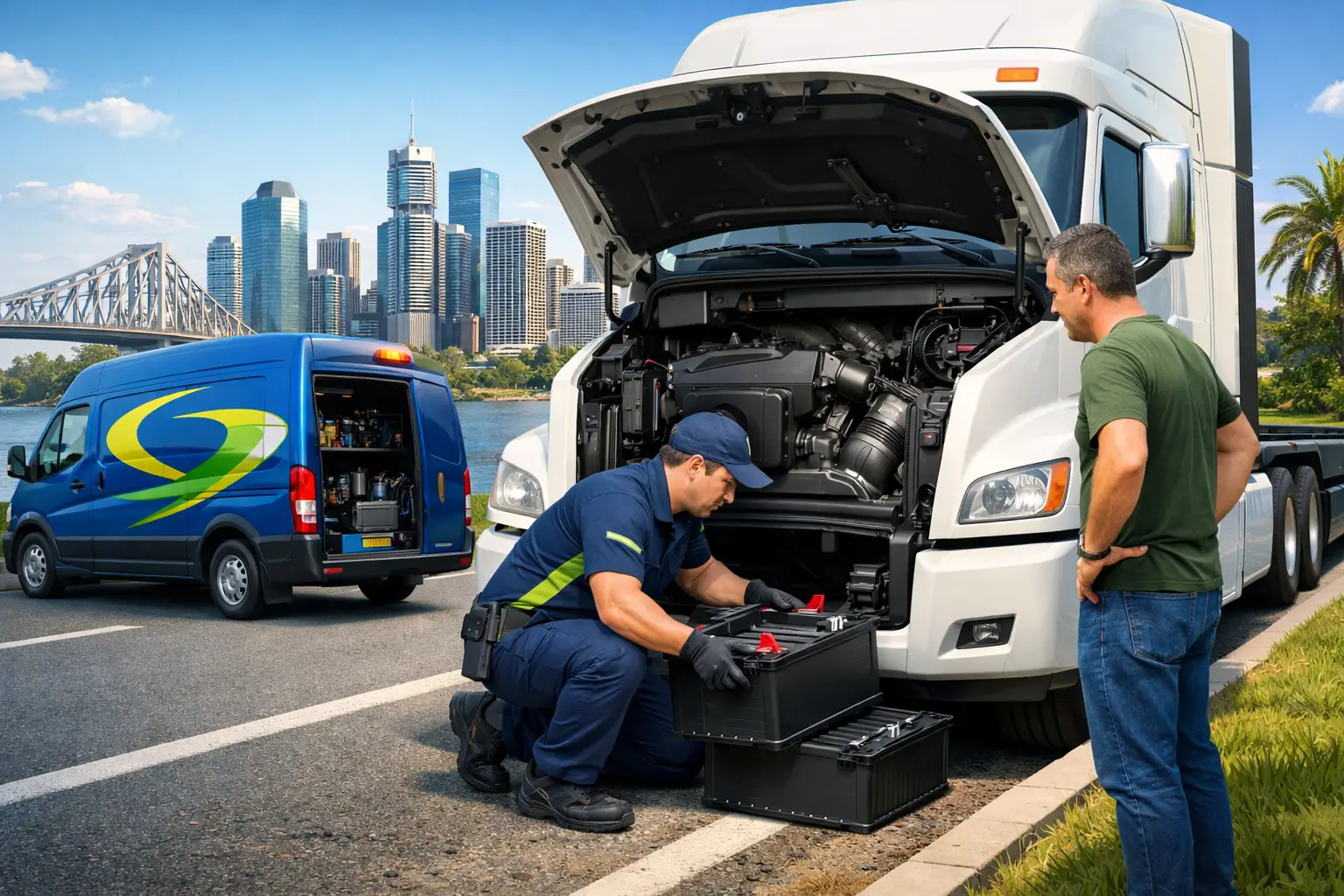
For riders in Brisbane, Ipswich, and the Gold Coast, Battery Australia can bring the service to your driveway, workplace, car park, or roadside location. That means no loading a non-starting bike into a trailer, no waiting for a workshop opening, and no gambling on a battery from a shelf that may not suit your motorcycle.
Mobile fitting is particularly useful when battery access is awkward. Many bikes require seat removal, panels, retaining straps, or careful terminal access. On some models, getting to the battery is simple. On others, it is enough of a job that the wrong tool or one stripped fastener can turn a quick replacement into an afternoon lost.
Choosing the Right Battery for Your Bike
Motorcycle batteries are not one-size-fits-all. The correct choice depends on the motorcycle’s make, model, engine size, electrical load, and the space available in the battery compartment.
A conventional lead-acid battery is often the lower-cost option, but it may require more attention and must be installed upright. Maintenance-free AGM batteries are popular because they are sealed, dependable, and better suited to the vibration and stop-start use many road bikes experience. Lithium motorcycle batteries are much lighter and can offer strong starting performance, although they cost more and are not the right answer for every bike or every charging setup.
The best battery is not always the most expensive one. For a daily commuter with standard electrics, a quality AGM battery is often a practical fit. For a performance bike where weight matters, lithium may be worth considering. For a motorcycle that sits for long stretches, the battery choice should be paired with a quality maintainer and a realistic storage routine.
Fitment Details That Matter
Battery dimensions, terminal position, voltage, capacity, and cold cranking performance all matter. A battery with terminals on the wrong side can leave leads stretched or unable to connect. One with insufficient starting power may struggle when the engine is cold. A battery that is too tall can interfere with the seat or cover.
This is why matching by bike details is safer than guessing from a photo or relying only on what looks similar. Correct fitment protects your motorcycle’s electrical system and saves you from buying twice.
How to Avoid Another Flat Motorcycle Battery
Once a new battery is fitted, a few simple habits can make a noticeable difference. Ride the bike regularly enough for the charging system to do its job. Very short trips may not put back the power used during starting, especially if you run lights, heated gear, phone mounts, or other accessories.
If the bike will sit unused for more than a couple of weeks, use a motorcycle-compatible smart charger or battery maintainer. It keeps the battery at a healthy level without the overcharging risk of an old-style constant charger. Make sure the charger is suitable for the battery type, particularly if you have lithium.
Keep battery terminals clean and tight, and check that accessories are switched off when parked. If your motorcycle has an alarm or tracker, ask whether it needs a regular charging routine during storage. Small constant draws are manageable when the bike is ridden often, but they can flatten a battery over time.
Avoid jump-starting from a running car unless you are certain of the correct procedure. Car charging systems can deliver more current than a motorcycle battery is designed to handle. A portable jump pack or professional assistance is generally the safer option.
Mobile Service or In-Store Replacement?
It depends on where the bike is and how urgently you need it moving. If the motorcycle is safely at home and you have transport, an in-store replacement can be a straightforward option. It gives you time to discuss battery types and pick up a charger or accessories if needed.
If the bike is blocking the garage, sitting at work, or stranded away from home, mobile service is the better answer. You avoid towing costs, workshop delays, and the hassle of removing the battery yourself. For riders who rely on their bike every day, getting the fault handled on-site can be the difference between a minor interruption and a missed shift.
A quick response does not mean rushing the diagnosis. The goal is simple: confirm what has failed, fit the correct battery, and make sure you can start the bike with confidence.
Get Back to Riding Without the Runaround
A dead motorcycle battery is frustrating, but it does not need to become a major repair job. Whether your bike is outside your home, parked at work, or stopped at the roadside, the right replacement service brings the battery, tools, and fitment knowledge to the job.
Before your next early start or weekend ride, pay attention to slow cranking and weak electrical signs. Acting while the bike still starts gives you more options. If it has already gone flat, get it tested, get the right battery fitted, and give yourself one less reason to miss the road.