You notice it the second you turn the key – slow crank, a click, or nothing at all. That is when roadside emergency assistance stops being a nice extra and becomes the only thing that matters. If your car will not start at home, in a work car park, or on the side of the road, you need a real fix fast, not a long wait, a vague arrival window, or a tow when the problem is just a dead battery.
For most drivers, the biggest issue is not just the breakdown itself. It is the disruption. You are late for work, stuck with kids in the car, missing a delivery run, or stranded after dark wondering whether the problem is simple or expensive. Good roadside support cuts through that stress. It shows up quickly, tests the issue properly, and gets you moving again if the vehicle can be safely repaired on the spot.
What roadside emergency assistance should actually do
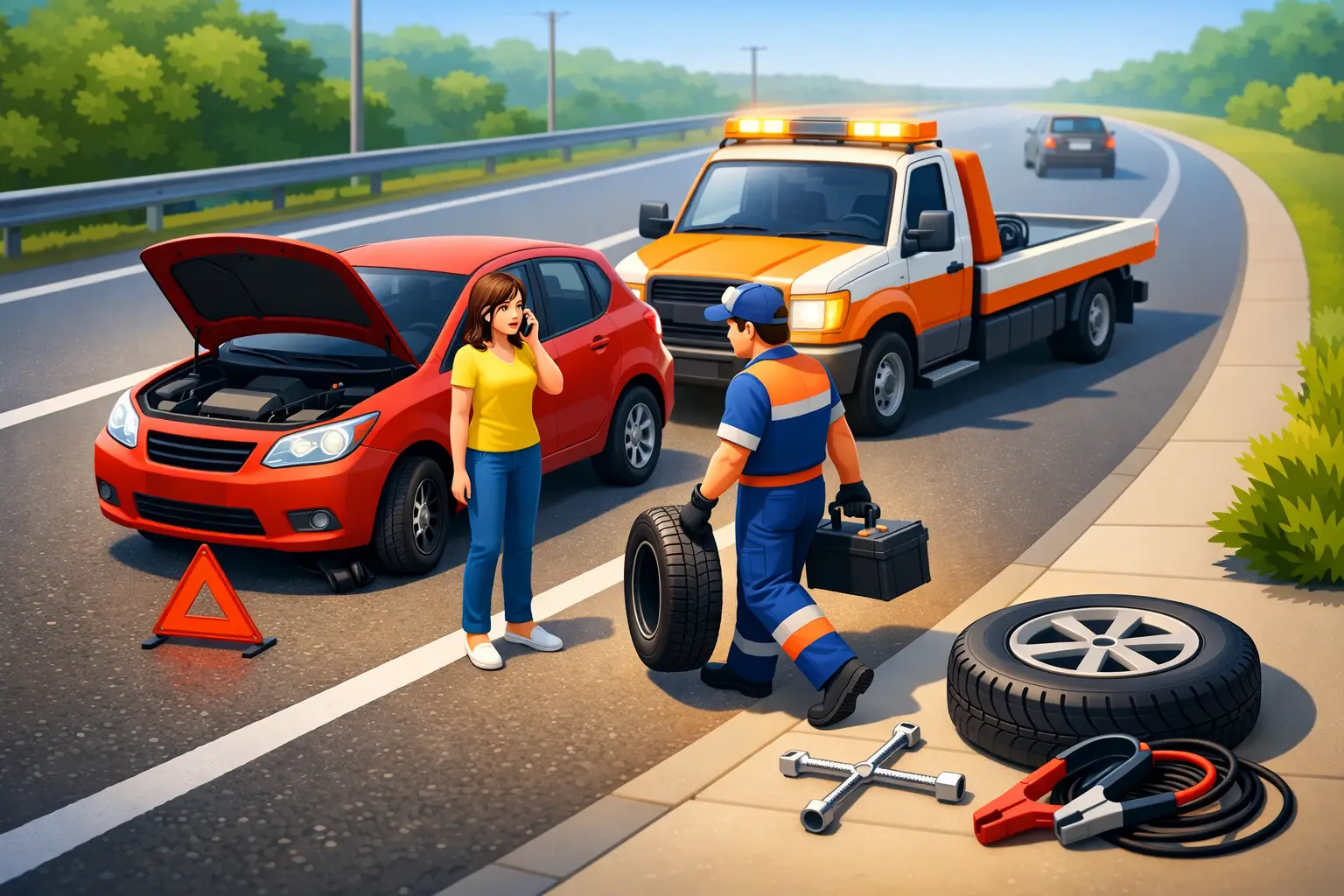
A lot of people hear the phrase and picture a tow truck. Sometimes towing is necessary. But in many everyday breakdowns, the better outcome is on-site help that solves the problem where the vehicle sits.
That matters because not every non-start is a major mechanical failure. Flat batteries, worn-out batteries, loose terminals, and charging issues are common. So are simple lockouts, flat tires, or cases where the car just needs a jump-start and a proper battery test. The difference between good and bad service is whether the technician is equipped to diagnose the issue, not just move the car somewhere else.
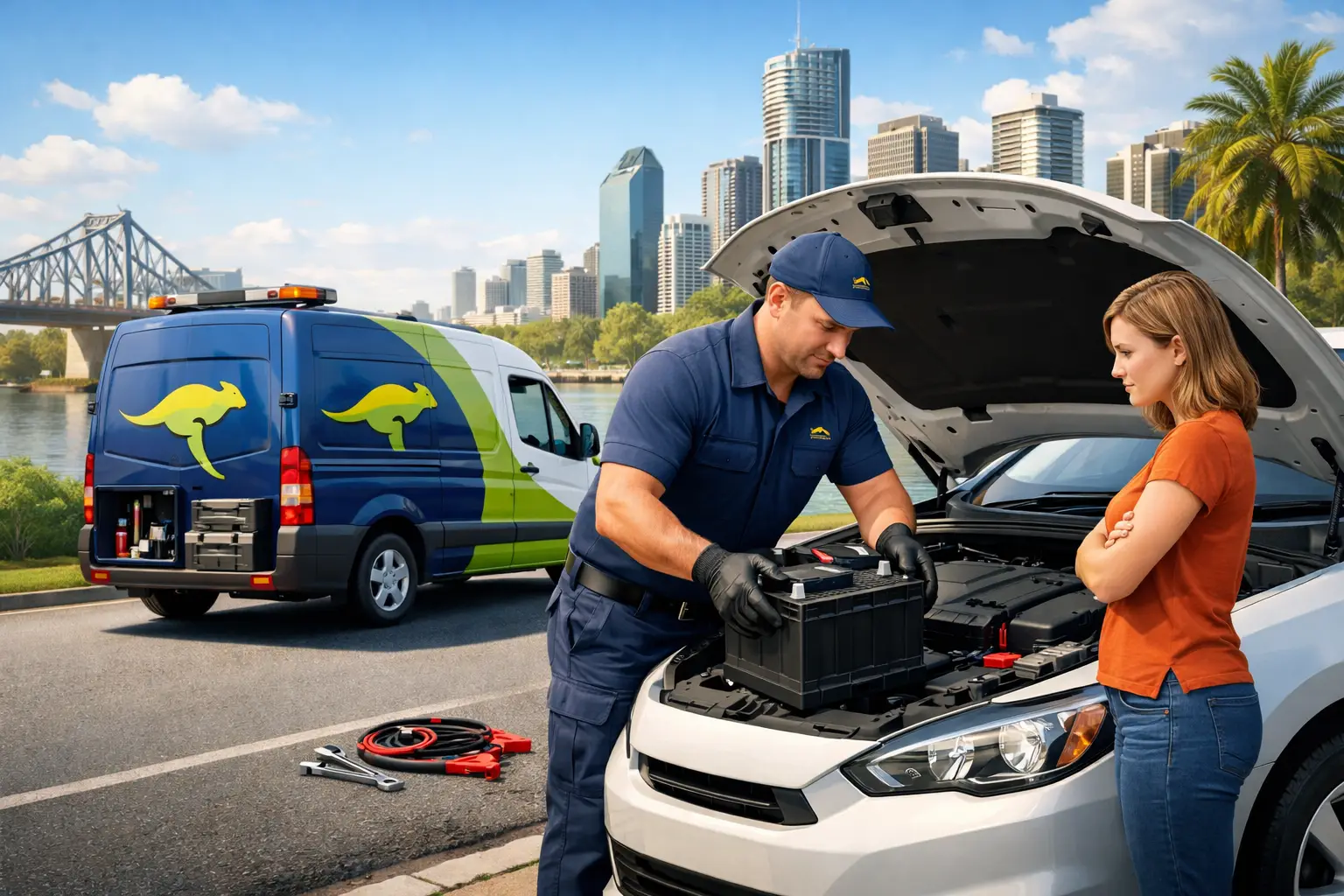
That is why fast-response roadside assistance is most useful when it combines urgency with practical capability. A fully equipped van, battery testing gear, replacement stock, and on-site fitting make a huge difference. If the battery is the problem, the best outcome is replacing it then and there instead of sending you to a workshop hours later.
The most common reason people call for roadside emergency assistance
Dead batteries are near the top of the list, and for good reason. Batteries fail without much warning, especially in hot weather, after repeated short trips, or when a vehicle has been sitting unused. You might get a few signs first – sluggish starts, dim lights, electrical glitches – but many drivers do not realize the battery is done until the car refuses to start.
This is where people often lose time. They assume they need a tow, or they try repeated jump-starts without knowing whether the battery is recoverable. A jump-start can get a vehicle moving, but it is not always a solution. If the battery is old, damaged, or unable to hold charge, the problem comes straight back.
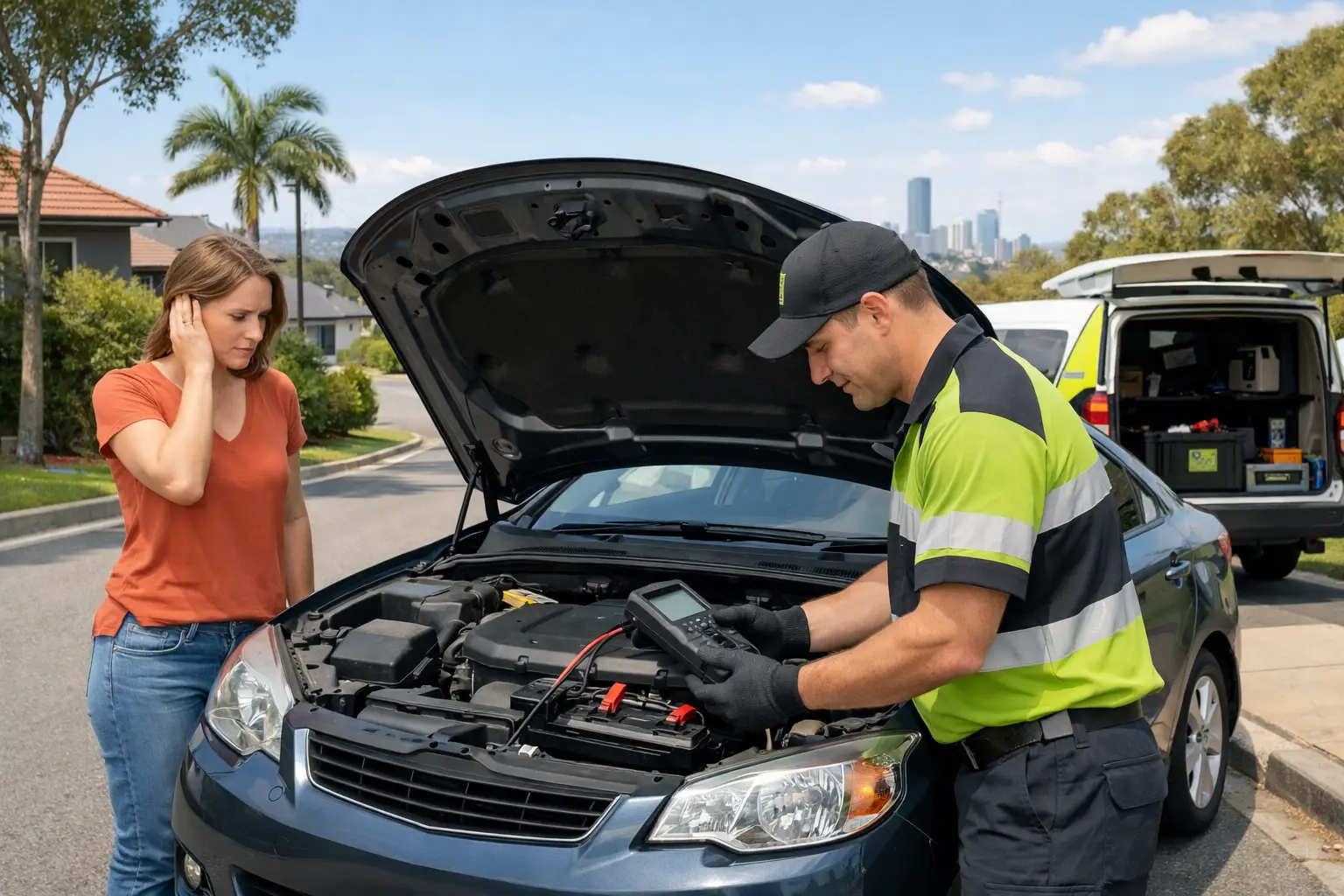
A proper roadside technician should test battery voltage and condition, check for obvious charging issues, and confirm whether the battery can be saved or needs replacement. That kind of straight answer matters when you are already under pressure.
Fast service matters, but so does bringing the right equipment
Speed is the first thing people ask about, and that makes sense. When you are stranded, every minute feels longer. But quick arrival only helps if the technician can finish the job.
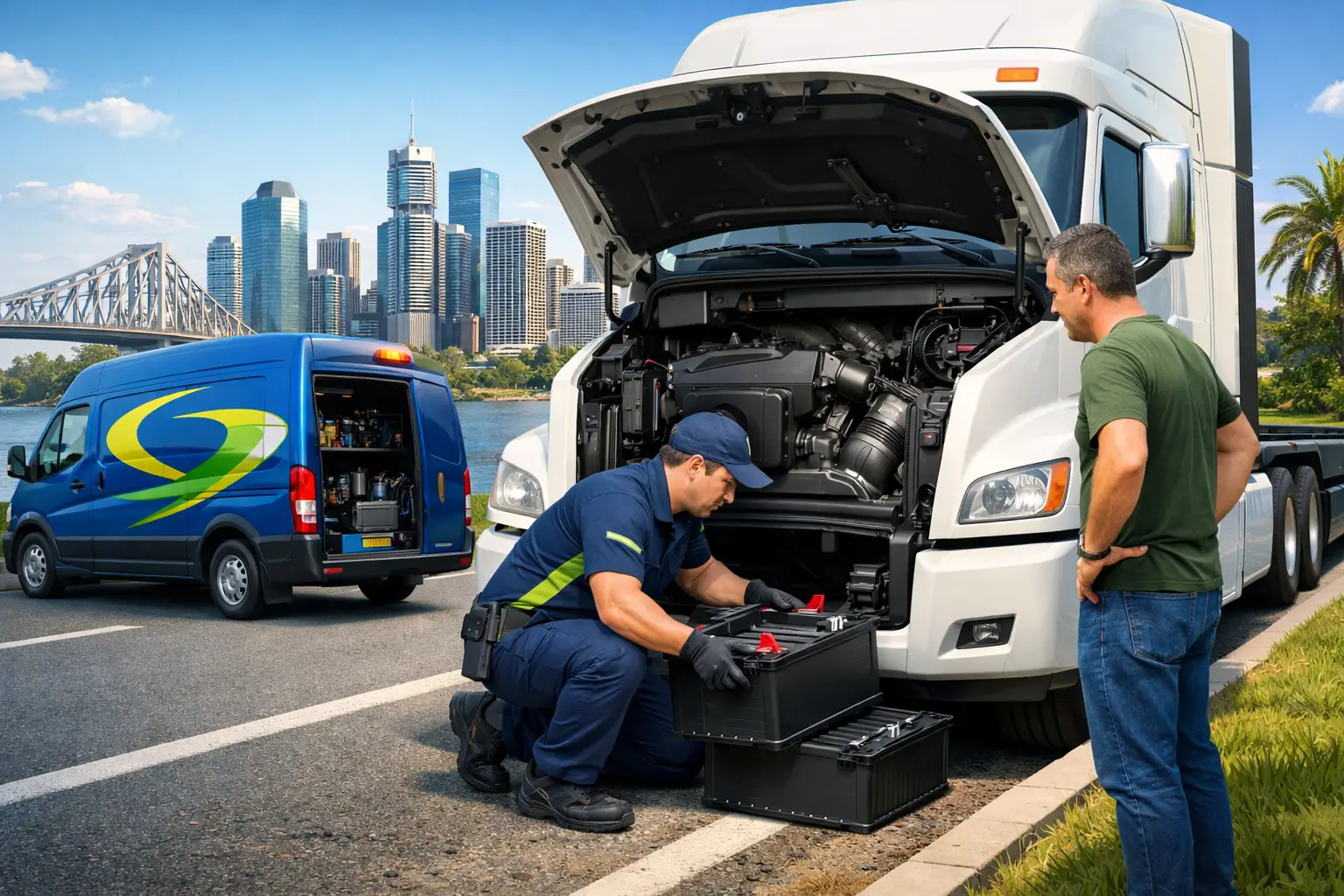
That means carrying a wide range of batteries, basic tools, and test equipment on board. Different vehicles need different battery sizes, terminal layouts, and power ratings. Family cars, 4WDs, utes, vans, trucks, motorcycles, and marine setups all have different requirements. Even within standard passenger vehicles, modern stop-start systems and higher electrical loads can narrow the right replacement options.
This is why roadside battery service is not just delivery. Fitting matters. Correct battery selection matters. Terminal cleaning matters. Resetting the vehicle and making sure everything is secure matters. Cheap shortcuts tend to show up later as another call-out, another delay, and another bill.
When roadside help can solve the problem on the spot
The best roadside emergency assistance handles more than one kind of urgent failure, but battery-related breakdowns are where mobile service can save the most time. If the issue is a dead battery, a weak battery, or poor battery connection, there is a good chance it can be fixed at your location.
That is a much better outcome than arranging transport to a workshop, waiting for assessment, then waiting again for parts and labor. For commuters, tradies, fleet drivers, and families, cutting out that extra downtime is a big deal. It keeps the day from falling apart.
Of course, some situations do need towing. If there is alternator failure, accident damage, a serious electrical fault, engine trouble, or a safety risk, on-site repair may not be the right move. Honest roadside service should say so clearly. The point is not to promise miracles. The point is to solve what can be solved immediately and not waste your time when it cannot.
What to expect from a reliable roadside battery service
A good service should be easy to call, easy to understand, and clear on pricing. When people are stranded, they do not want a complicated process. They want to know whether someone is available now, how long it will take, and what happens when the technician arrives.
Clear communication matters more than fancy language. You should know whether there is a call-out fee, whether testing is included, whether fitting is done on site, and what warranty applies if a new battery is installed. Price transparency builds trust fast, especially in urgent situations where people do not have time to compare ten options.
You also want a provider that knows the local area. Brisbane, Ipswich, and the Gold Coast are not small when traffic is heavy and breakdowns happen at the worst possible time. Local response matters because realistic arrival times matter. If someone says they can get there fast, they need the coverage and van network to back it up.
Why local drivers benefit from practical roadside emergency assistance
For drivers in Southeast Queensland, the conditions are hard on batteries. Heat shortens battery life. Stop-start traffic increases demand. Cars that sit for days between use are also at risk. Add school runs, job sites, shopping centers, and long commutes, and you have plenty of situations where a battery failure becomes an urgent problem fast.
That is why no-nonsense mobile support works so well here. If a technician can come to your home, workplace, roadside location, or car park, test the battery, and fit a replacement on site, the whole problem gets smaller. You are not organizing a tow, losing half a day, or guessing what battery the car needs.
Battery Australia built its service around exactly that kind of response – local, mobile, and focused on getting drivers moving again without workshop delays.
How to tell whether your battery is about to fail
Not every battery dies without warning. There are usually signs, but they are easy to brush off until the car stops completely. Slow engine cranking is one of the clearest clues. So are dashboard warning lights, dim headlights, and electronics acting strangely when the car starts.
You may also notice the battery is a few years old and has not been checked recently. That alone is reason to pay attention. Batteries wear out. If your vehicle is becoming less reliable to start, especially in the morning or after sitting, it is worth getting it tested before it strands you.
Preventive checks are cheaper than urgent breakdowns. But if you are already stuck, roadside support with testing and replacement capability is the fastest way out of the problem.
Choosing the right roadside emergency assistance provider
Not all providers are built the same. Some are mainly dispatch services. Some are towing first and diagnostics second. Some can jump-start a car but do not carry enough stock to replace the failed battery on the spot. That may still help, but it may not finish the job.
The better option is a provider that can assess, supply, and fit. That gives you a straight path from breakdown to resolution. It also reduces the chance of misdiagnosis or being sold a battery that does not suit the vehicle.
Look for practical signals: real local coverage, fast response, no hidden fees, qualified fitting, and warranty-backed products. Those are the things that matter when the vehicle will not start and you need an answer now.
Roadside emergency assistance is at its best when it removes friction. One call, one visit, one fix if the problem is battery-related. That is what people are really paying for – not just attendance, but momentum. When your day is on hold, the right help should feel simple, fast, and capable from the first phone call to the moment the engine starts again.
If your car gives you even a hint that the battery is on its way out, do not wait for the worst possible moment. A quick test today is easier than a breakdown tomorrow.