English

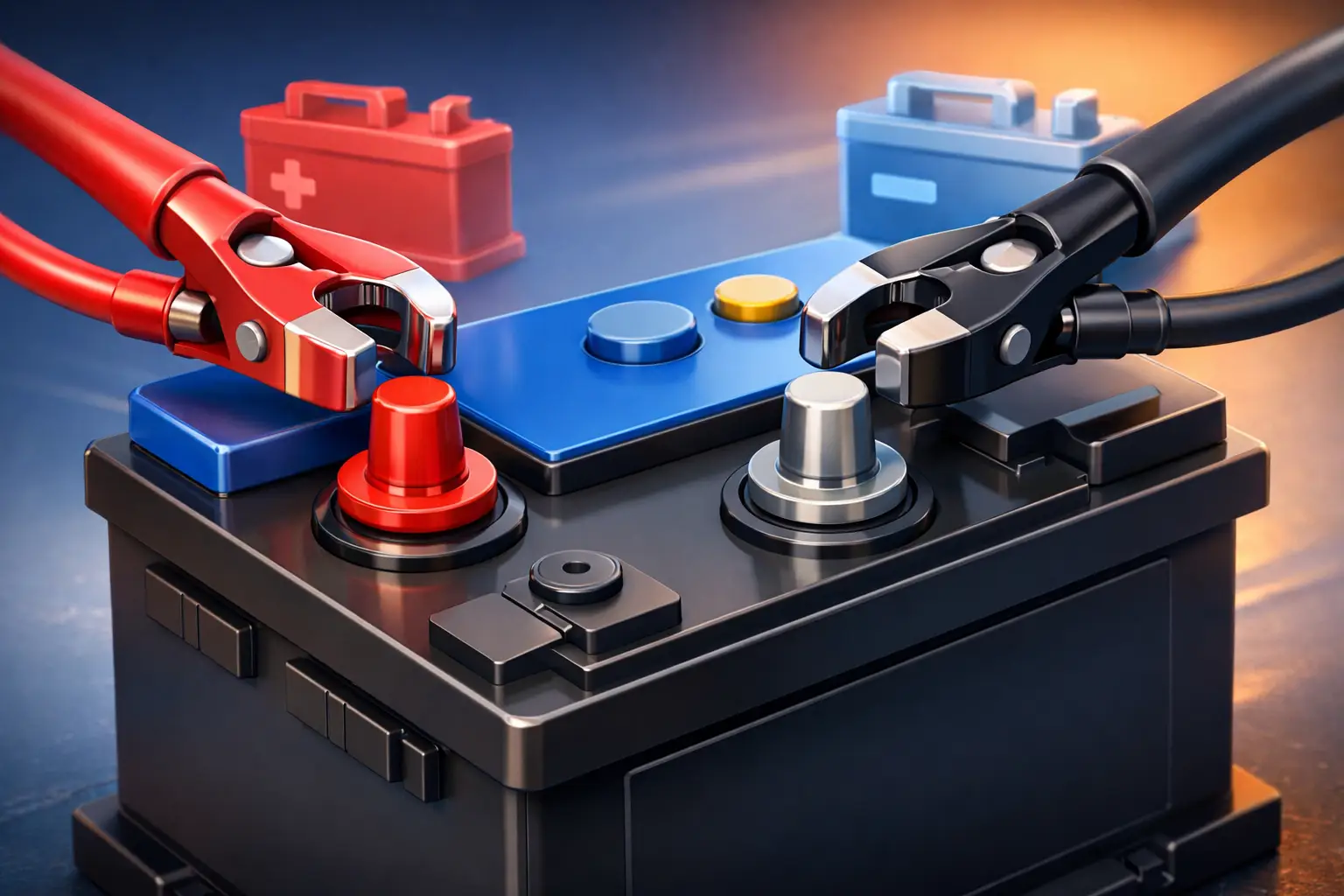
You can save yourself a spark, a blown fuse, or a very bad start to the day by knowing which battery terminal to install first. The short answer is simple: when installing a car battery, connect the positive terminal first, then the negative. When removing a battery, do the reverse – negative off first, then positive. That order matters more than most people realize.
If you’re standing in the driveway with a new battery and a spanner in hand, this is one of those jobs that feels easy right up until something goes wrong. A slipped tool, the wrong order, or a loose clamp can turn a basic battery swap into damage you didn’t bargain for. So here’s the straightforward version, plus the why behind it.
Which battery terminal to install first
Install the positive terminal first.
After the positive terminal is secure, connect the negative terminal. That is the safe order for most standard 12-volt vehicle batteries in petrol, diesel, and many light commercial vehicles. If you’re removing the battery, start with the negative terminal and finish with the positive.
The reason is grounded in how the vehicle’s electrical system is set up. In most cars, the negative terminal is connected to the chassis, which means the whole body of the vehicle acts as ground. If the negative terminal is already connected and your tool touches metal while you’re tightening the positive side, you can create a short circuit instantly. Connect positive first while the negative is still disconnected, and that risk drops sharply.
Why the order matters
This isn’t just a workshop habit. It’s a basic safety rule.
When the negative terminal is disconnected, the vehicle chassis is no longer part of a complete circuit back to the battery. That means if your wrench accidentally touches a metal bracket, guard, or body panel while you’re working on the positive side, there’s far less chance of a direct short. Once the positive side is on and secure, you can connect the negative terminal last to complete the circuit.
Think of it as reducing the number of things that can go wrong while your hands and tools are closest to the live terminal. The same logic applies in reverse when removing the battery. Take negative off first, and the car is no longer grounded through the battery. Then you can remove positive with less risk.
That said, battery replacement is not identical across every vehicle. Some modern cars have battery management systems, memory settings, anti-theft coding, or batteries mounted in odd places like the boot or under seats. The terminal order stays the same, but the process around it can be more involved.
The safe way to fit a battery
Before you connect anything, switch the vehicle off completely and remove the key or fob from the car. You don’t want interior systems waking up while you’re working. Wear eye protection if you have it, and don’t place metal tools across the battery top.
Check that you’ve got the correct battery orientation first. Positive must line up with the positive cable, and negative with negative. Never stretch cables across the battery to make them fit. If the posts don’t line up naturally, you’ve got the wrong battery or the battery is facing the wrong way.
Place the battery securely in the tray and fit the hold-down clamp before tightening terminals. A battery that can move around is trouble waiting to happen, especially on rough roads. Once it’s properly seated, connect the positive terminal first and tighten it until it’s snug. Then connect the negative terminal and tighten that as well.
You want a firm connection, not brute force. Over-tightening can damage the clamp or battery post. Under-tightening leaves you with a loose terminal that can cause hard starting, intermittent power loss, warning lights, or charging issues.
What happens if you install the negative terminal first?
Sometimes, nothing obvious. Other times, one slip of the wrench is all it takes.
If the negative terminal goes on first and you then touch the spanner between the positive terminal and any grounded metal part of the vehicle, you’ll create a short. That can cause sparks, damage electrical components, blow fuses, or in severe cases damage the battery itself. Batteries can also vent flammable gases, so sparks are never something to shrug off.
This is why experienced battery techs don’t guess. They follow the same order every time. Positive on first when installing. Negative on first when removing.
Common mistakes that cause battery problems
Wrong terminal order is only one issue. Plenty of battery headaches come from simple fitting errors.
Corrosion on the clamps is a big one. If the terminal ends are crusty, dirty, or green with buildup, the battery may not charge or crank properly even if it’s new. The connection needs to be clean metal on clean metal.
Loose hold-down brackets are another problem. Vibration shortens battery life and can crack internal plates over time. A battery should sit firmly in place, not rock around in the tray.
Then there’s buying the wrong battery entirely. A battery may physically fit but still have the wrong terminal layout, incorrect height, or not enough cold cranking amps for the vehicle. That’s especially common when people buy by appearance rather than specs.
Some drivers also forget that battery issues aren’t always battery issues. If the alternator isn’t charging properly, the starter motor is drawing too much current, or there’s a parasitic drain, a brand-new battery can still go flat fast.
Which battery terminal to install first on modern vehicles
The answer is still positive first, then negative, but modern vehicles deserve extra caution.
Late-model cars, start-stop systems, European vehicles, and vehicles with battery sensors can be less forgiving than older cars. Disconnecting power may reset radio codes, clock settings, window calibration, seat memory, or fault history. Some vehicles also require battery registration after replacement so the charging system knows a new battery has been fitted.
That doesn’t mean you can’t replace the battery. It means the job may involve more than swapping two clamps. If your battery is in the boot, under a seat, or connected to a battery monitoring sensor on the negative cable, rushing the job can create extra problems.
For hybrid and EV systems, the stakes are higher again. The 12-volt battery still follows standard terminal logic, but high-voltage systems are not DIY territory unless you’re trained and equipped.
When to stop and get help
A straightforward battery replacement is one thing. A battery buried under covers, sensors, and programming requirements is something else.
If you’re unsure about battery type, terminal layout, vehicle memory settings, or the battery management system, getting it fitted properly can save time and money. The cost of replacing the wrong fuse, damaging a terminal sensor, or chasing an electrical fault usually outweighs the cost of having the job done right the first time.
This is especially true if you’re stranded, running late, or dealing with a vehicle that won’t start in a car park, at home, or on a job site. In that situation, speed matters, but so does not making the problem worse.
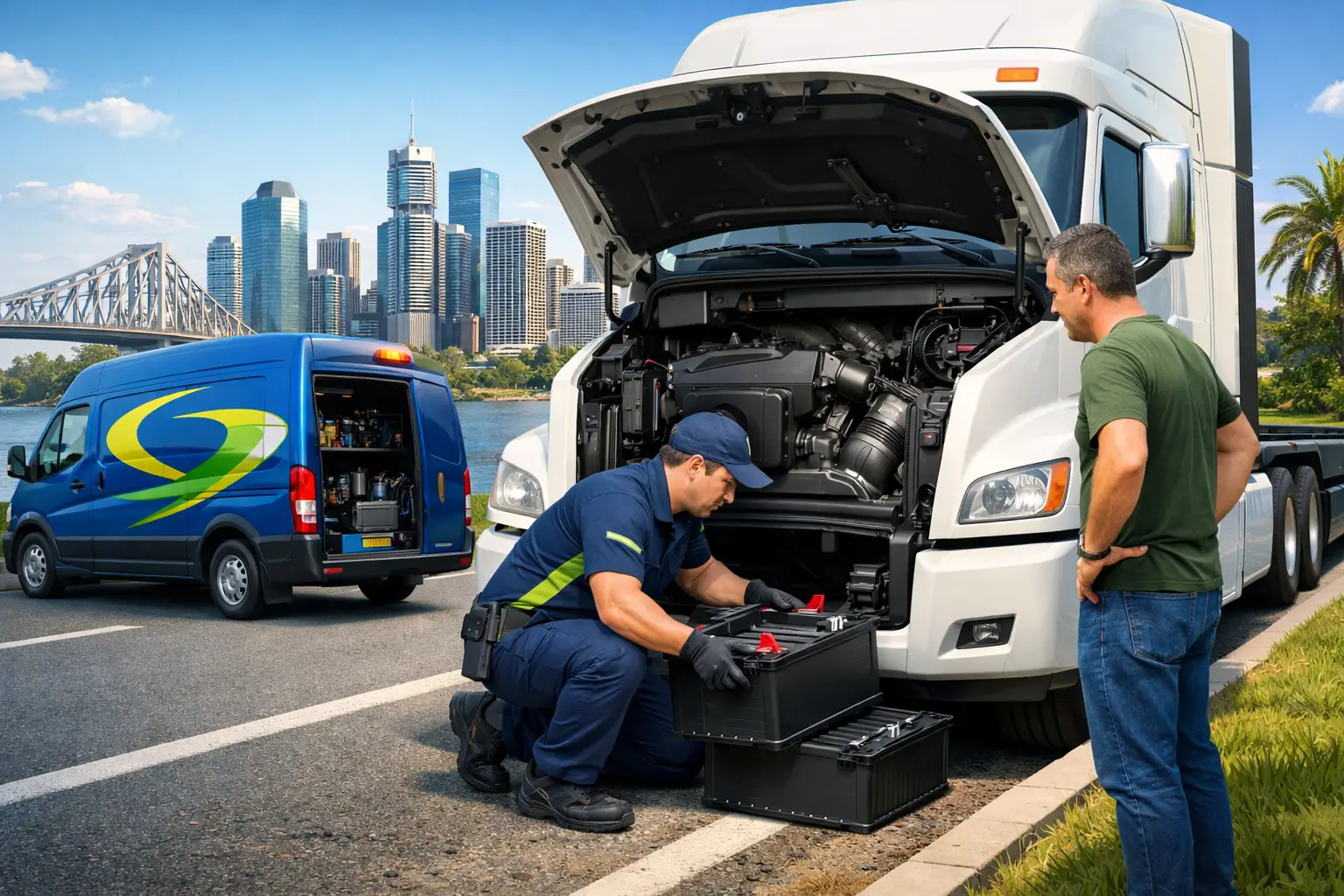
Battery Australia handles this kind of work every day, and that’s the point of using a mobile battery service when the car won’t cooperate. The right battery, fitted safely, tested properly, and done on-site beats guessing with tools in a tight engine bay.
A quick note on removal order
Because people often mix the two up, here’s the plain version.
If you’re installing a battery, connect positive first, then negative.
If you’re removing a battery, disconnect negative first, then positive.
That one rule covers most passenger vehicles and light commercial setups you’ll come across. If the vehicle manual says otherwise for a specific procedure, follow the manufacturer instructions, but for standard battery replacement, this is the correct working order.
Final thought
Knowing which battery terminal to install first is one of those small details that makes a big difference. Positive first, negative second keeps the job safer and cuts the risk of sparks and accidental shorts. If the battery swap looks simple, take your time and get the order right. If it doesn’t, getting an expert to fit it properly is often the fastest way back on the road.