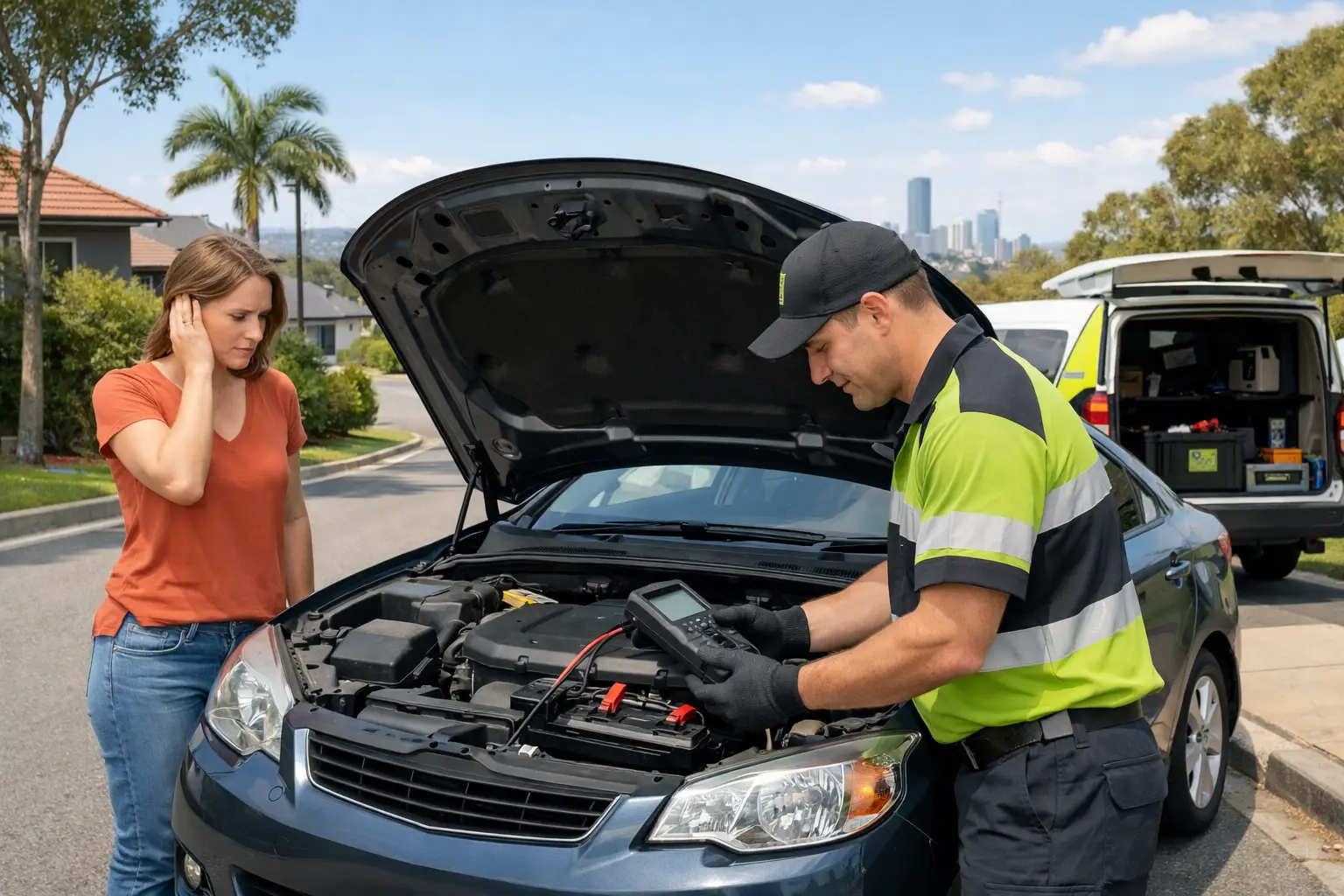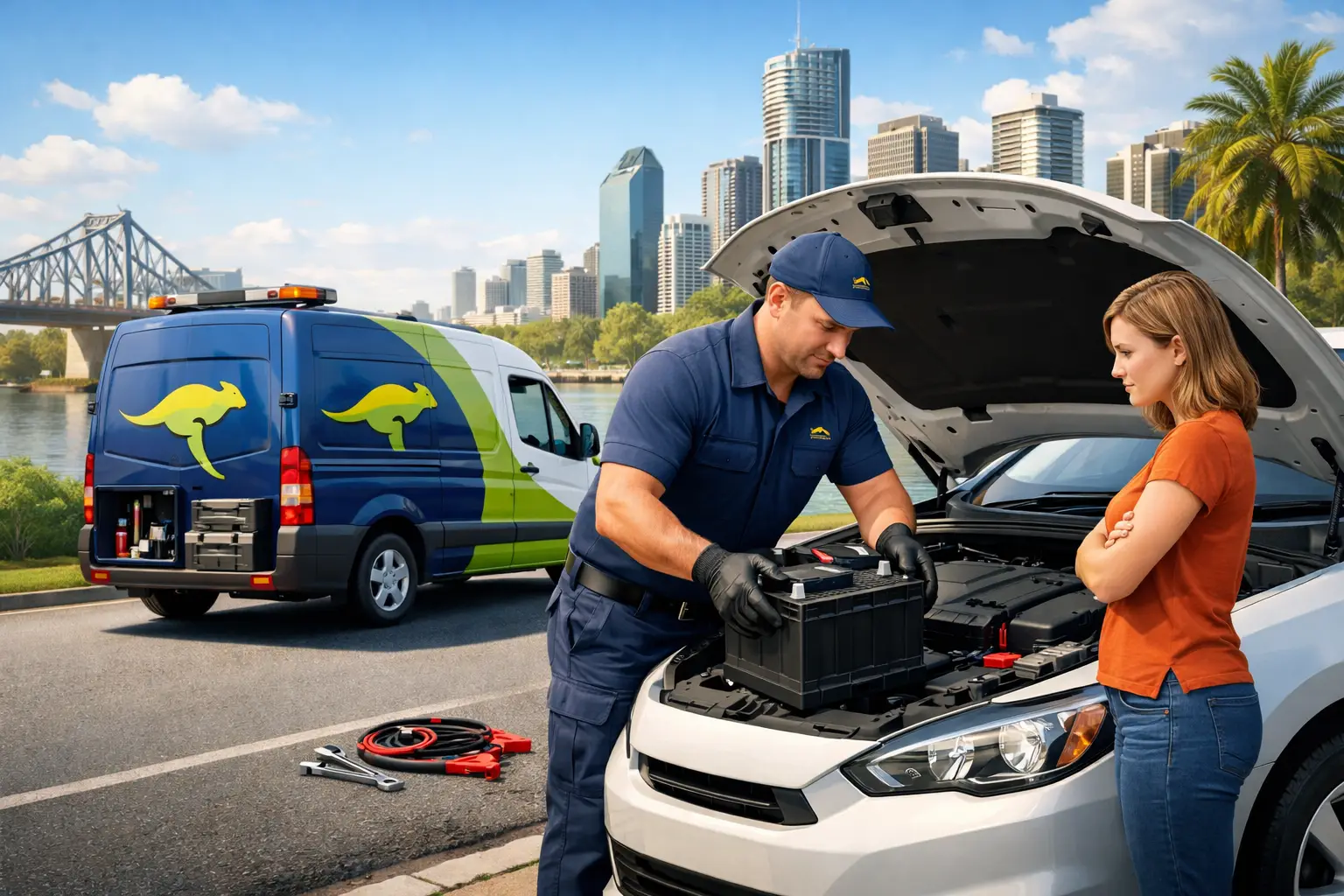
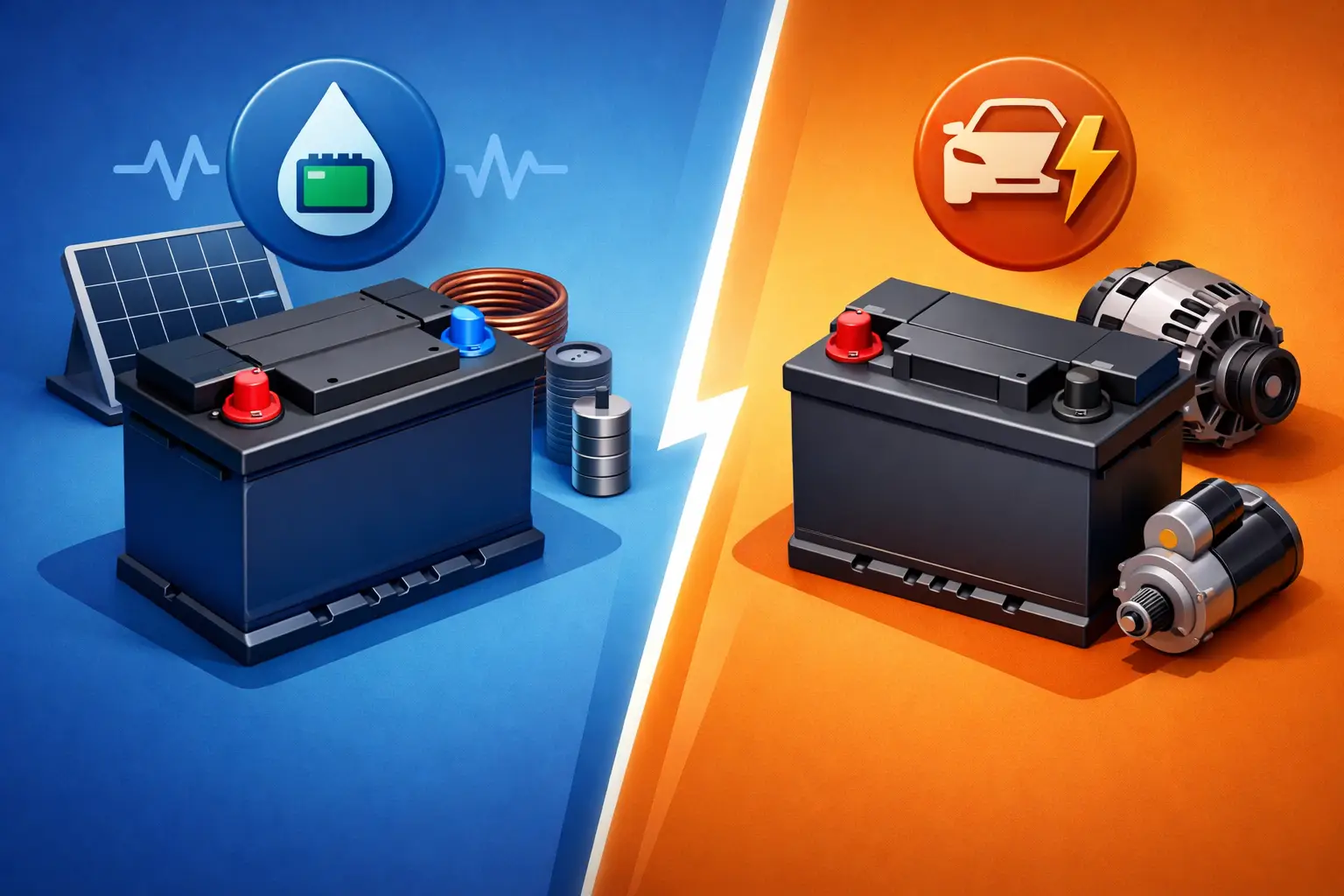
You usually find out the difference between a deep cycle vs starter battery the hard way – when the engine will not crank, the trolling motor fades early, or the camper battery gives up before breakfast. These two battery types may look similar from the outside, but they are built for very different jobs. Pick the wrong one, and you get poor performance, shorter battery life, and avoidable downtime.
If you are replacing a battery for a car, truck, RV, boat, or off-grid setup, the right choice comes down to how power is used. A starter battery is made to deliver a quick burst of high current to start an engine. A deep cycle battery is made to provide steady power over a longer period and handle repeated discharge and recharge cycles. That sounds simple, but where people get caught is in the overlap. Plenty of vehicles and equipment use both starting and accessory power, and not every battery labeled for “marine” or “dual purpose” is the right fit.
Deep cycle vs starter battery: the core difference
A starter battery is all about instant power. When you turn the key or hit the start button, the battery has to send a strong burst of energy to the starter motor. After the engine starts, the alternator takes over and recharges the battery. In normal use, a starter battery is only slightly discharged before being topped back up.
A deep cycle battery works differently. It is designed to deliver a lower, steadier amount of power over a longer period. Think RV house loads, trolling motors, fish finders, mobility equipment, solar storage, or camp fridges. These batteries are meant to be drained much deeper than a starter battery and then recharged again, over and over.
That design difference is inside the battery. Starter batteries typically use thinner plates with more surface area so they can release a lot of current quickly. Deep cycle batteries use thicker plates that stand up better to repeated deep discharging. The trade-off is straightforward: starter batteries crank hard but do not like deep discharge, while deep cycle batteries tolerate repeated cycling but are not optimized for engine starting.
Why using the wrong battery causes trouble
This is where battery problems often start. A lot of people assume a battery is a battery. It is not.
Put a starter battery into a job that needs repeated deep discharge, and its life will usually be short. Run a camp fridge, lights, inverter, or trolling motor from a starter battery night after night, and the battery can sulfate, lose capacity, and fail much earlier than expected. It may still show voltage for a while, but real usable power drops off.
Go the other direction and use a deep cycle battery where a dedicated starter battery is required, and you may run into weak starting performance. Some deep cycle batteries can crank an engine, but that does not mean they are the best choice for regular engine starts, especially in colder weather or with larger engines that need strong cold cranking amps.
The result is usually the same – frustration, wasted money, and equipment that does not do what you need when you need it.
When a starter battery is the right call
If your battery’s main job is starting a vehicle engine, you want a starter battery. That includes most passenger cars, SUVs, pickup trucks, vans, and many work vehicles. These batteries are rated with cranking performance in mind, often using CCA, or cold cranking amps, as a key spec.
For everyday drivers, families, rideshare vehicles, and tradies, this is the battery that matters most. You need reliable starts in all conditions, not a battery designed to run accessories for hours with the engine off. If the engine starts and the alternator handles the rest, a proper starter battery is usually the correct and most cost-effective option.
That said, modern vehicles can place more demand on a battery than older models did. Stop-start systems, added electronics, and aftermarket accessories can change the battery requirements. In those cases, matching the exact battery type and specification matters more than guessing based on size alone.
When a deep cycle battery makes more sense
A deep cycle battery is the better fit when the battery is expected to deliver sustained power for longer periods. This is common in RVs, campers, boats, golf carts, solar systems, mobility scooters, and backup power setups.
For example, if you are running lights, a refrigerator, water pump, or small inverter in an RV, a deep cycle battery is built for that workload. The same goes for marine accessory loads or electric trolling motors. These applications pull power over time rather than demanding one short burst.
This is also why deep cycle batteries are common in off-grid and recreational use. They are made for repeated use, recharge, and reuse. If your setup regularly takes the battery down significantly before charging, a starter battery is the wrong tool for the job.
What about dual-purpose batteries?
Some setups sit in the middle. Boats are a classic example. You may need enough power to start the engine, but you also want to run electronics and accessories. That is where dual-purpose batteries enter the conversation.
A dual-purpose battery tries to balance cranking ability with cycling capability. It can be a smart option in certain marine or recreational applications, especially where space is limited and one battery has to do more than one job. But balance always means compromise. A dual-purpose battery usually will not crank as strongly as a dedicated starter battery or cycle as well as a dedicated deep cycle battery.
If reliability matters and the setup allows for it, separate batteries for starting and house loads are often the better long-term solution.
Deep cycle vs starter battery for common real-world setups
For a standard commuter car, the answer is easy. Use a starter battery that matches the vehicle’s required specs.
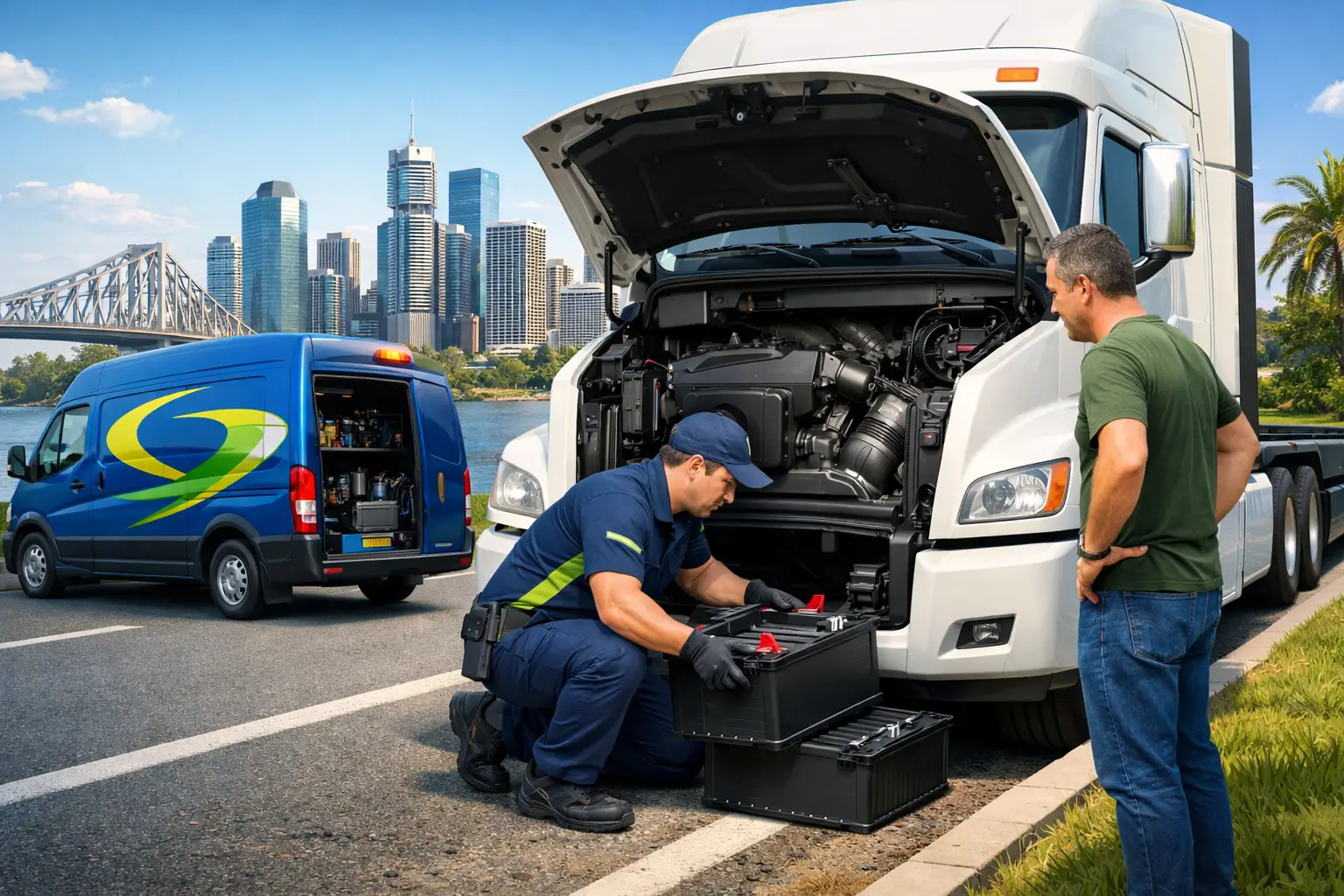
For a work truck with extra accessories, it depends on whether those accessories run mainly with the engine on or off. If they run mostly while driving, the starter battery and charging system may be enough. If they draw serious power with the engine off, you may need a secondary deep cycle battery.
For an RV or overlanding setup, many owners use both. A starter battery handles engine cranking, while one or more deep cycle batteries power appliances, lighting, and other house loads.
For boats, the answer depends on use. A simple runabout may only need a starter battery. A fishing boat with a trolling motor and onboard electronics often benefits from a separate deep cycle bank.
For solar storage or backup power, deep cycle is the clear winner because the entire job is based on repeated charging and discharging.
The specs that actually matter
Battery shopping gets confusing fast because labels can be vague. Ignore the marketing first and look at how the battery will be used.
If you are choosing a starter battery, focus on fitment, terminal layout, and cranking performance. CCA matters because it tells you how much current the battery can deliver for engine starting under demanding conditions.
If you are choosing a deep cycle battery, reserve capacity and amp-hour rating matter more because they relate to how long the battery can supply usable power. Cycle life also matters, especially if the battery will be discharged and recharged frequently.
Battery chemistry matters too. Flooded lead-acid, AGM, gel, and lithium all behave differently in cost, weight, charging needs, and service life. AGM deep cycle batteries are popular because they are sealed and lower maintenance. Lithium offers lighter weight and deeper usable capacity, but the upfront cost is higher and charging compatibility needs to be checked.
A quick word on charging
The battery itself is only part of the job. Charging system compatibility matters just as much.
A starter battery in a regular vehicle is usually charged by the alternator with no drama, assuming the system is healthy. Deep cycle batteries, especially in RV, marine, or solar setups, often need a charger or charging profile suited to that battery type. If the charging source is wrong, even a good battery can underperform or wear out early.
That is one reason battery replacement should be based on the actual application, not just the old label or whatever happens to fit in the tray.
How to know which one you need
Ask one simple question: is this battery mainly starting an engine, or mainly powering equipment over time?
If it is mainly starting an engine, choose a starter battery. If it is mainly powering loads over time, choose a deep cycle battery. If it truly needs to do both, look at whether a dual-purpose battery will realistically handle the job or whether a two-battery setup makes more sense.
When in doubt, matching the battery to the equipment and the way you actually use it saves money and headaches. That is especially true if you rely on your vehicle or gear every day and cannot afford a no-start morning or a flat battery halfway through a trip.
The best battery is not the one with the most impressive label. It is the one built for the job you need done, every single time.