English

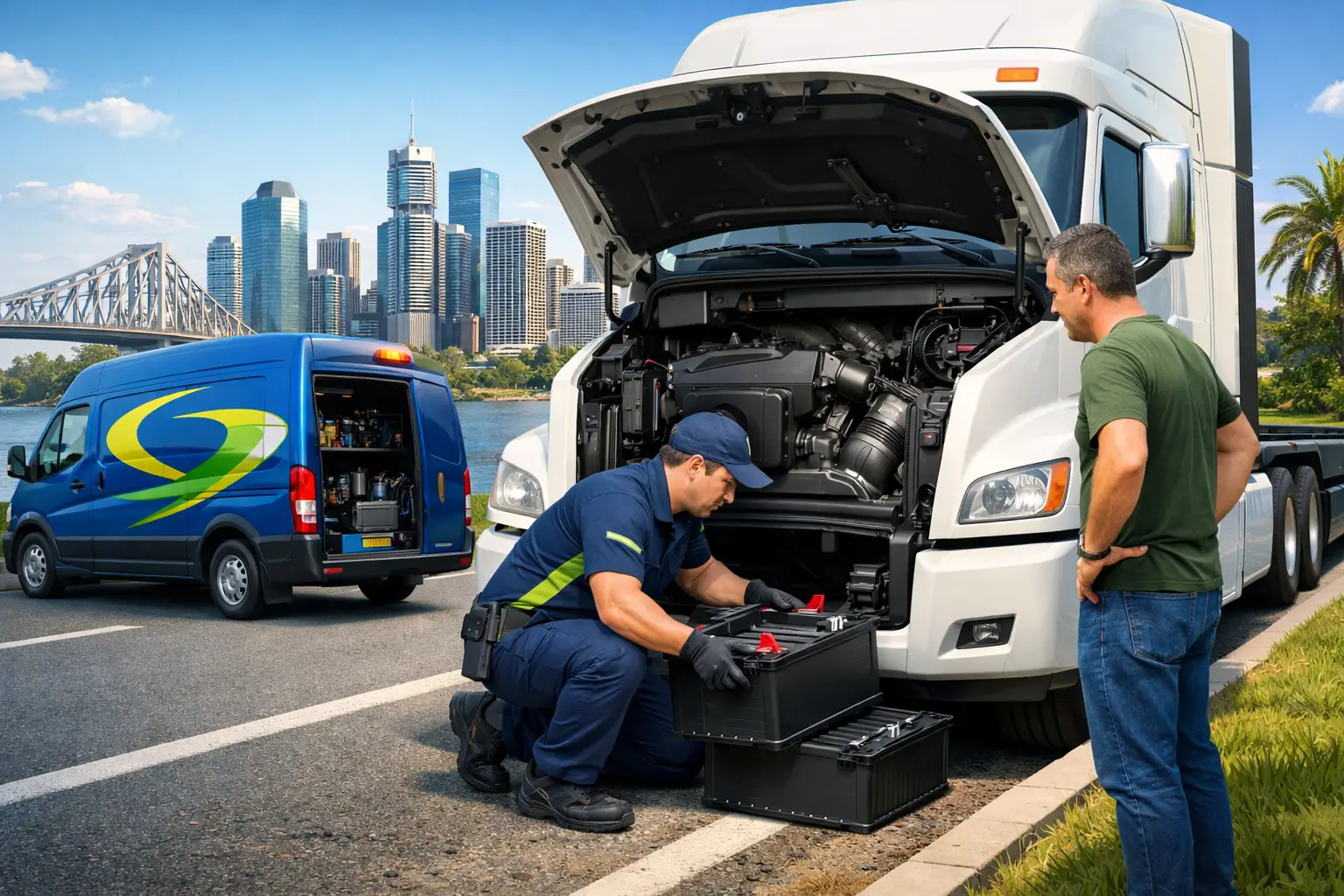
A truck that starts slowly at 5 a.m. can turn a normal workday into lost time, missed deliveries, and a vehicle stuck in the driveway. So, how long do truck batteries last? Most truck batteries last around three to five years, but the real answer depends on the truck, the battery type, the electrical load, and how it is used every day.
For a work truck, ute, delivery vehicle, or light commercial fleet vehicle, battery life is not just a maintenance detail. A weak battery can stop the job before it begins. Knowing when yours is nearing the end gives you the chance to replace it on your schedule instead of waiting for a no-start situation.
How Long Do Truck Batteries Last in Real Conditions?
Three to five years is a useful benchmark for a conventional 12-volt truck starting battery. Some batteries can last longer, especially in regularly driven vehicles with a healthy charging system. Others fail in two or three years because of heat, short trips, rough conditions, or heavy accessory use.
In Brisbane, Ipswich, and the Gold Coast, heat is a major factor. High under-hood temperatures speed up the chemical aging process inside a battery. Summer heat can cause battery fluid to evaporate and internal components to deteriorate faster, even if the truck seems to start normally for months afterward.
A truck used every day on longer runs may keep its battery charged better than one that only travels short distances. That does not mean long-distance vehicles are immune to battery trouble. Trucks with fridges, work lights, inverters, GPS units, dash cameras, two-way radios, and aftermarket accessories can place a constant demand on the electrical system.
A heavy-duty truck battery may have more reserve capacity than a standard passenger vehicle battery, but capacity is not a guarantee of a longer life. The battery still needs the correct charging voltage, secure terminals, and a workload that matches its design.
What Shortens Truck Battery Life?
Battery failure is often blamed on age, but age is usually only one piece of the problem. These four issues are the most common reasons a truck battery wears out early:
- Heat exposure: Hot weather and hot engine bays accelerate internal corrosion and fluid loss.
- Frequent short trips: Starting a truck uses a large amount of power. Short drives may not give the alternator enough time to fully recharge the battery.
- Parasitic drain: Accessories or electrical faults can draw power after the ignition is off.
- Vibration and loose mounting: Work vehicles on rough roads can suffer internal battery damage if the battery is not firmly secured.
There is also the charging system to consider. A failing alternator, slipping belt, poor earth connection, or corroded cable can leave a good battery undercharged. On the other hand, overcharging can damage a battery just as quickly. Replacing a flat battery without checking the underlying cause can lead to another breakdown sooner than expected.
The Extra Load on Work Trucks
Tradespeople and fleet operators often ask more of their batteries than private drivers do. A truck may power tool chargers, warning beacons, auxiliary lights, a canopy fan, a refrigerator, or an inverter while parked. Those accessories can be perfectly appropriate, but they need the right setup.
A starting battery is designed to deliver a strong burst of power to crank the engine. It is not designed for repeated deep discharges. If your truck regularly runs equipment with the engine off, a dual-battery system or correctly specified deep-cycle battery may be the better choice. Using the wrong battery type can dramatically shorten its service life.
Signs Your Truck Battery Is Nearing the End
Truck batteries rarely choose a convenient time to fail. The early warnings can be subtle, which is why a quick test is worth arranging when something feels different.
Slow cranking is one of the clearest signs. If the engine turns over more slowly than usual, particularly first thing in the morning, the battery may be losing capacity. A single slow start after the lights were left on is one thing. Repeated slow starts are different and should not be ignored.
Dim headlights, flickering dash lights, intermittent warning messages, or accessories that reset when you start the engine can also point to low voltage. In newer trucks, a weak battery may trigger seemingly unrelated electrical warnings because modern systems are sensitive to voltage changes.
Look under the hood as well. Swelling or distortion in the battery case, leaking fluid, a sulfur-like smell, excessive corrosion around terminals, or a battery that will not stay securely mounted all need attention. Do not try to force a swollen battery into service. It can be unsafe and is ready for replacement.
If the battery is already three years old and your truck is used for work, towing, or frequent stop-start driving, testing it before summer or before a long trip is a practical move. A voltage reading alone does not tell the full story. A proper battery test checks its ability to deliver starting power under load.
When a Recharge Is Enough and When Replacement Makes Sense
A flat battery does not always mean a dead battery. If a battery was drained because an interior light, accessory, or tailgate was left on, it may recover after a correct recharge. The key question is whether it holds that charge and still passes a load test afterward.
Replacement is usually the sensible call when the battery repeatedly goes flat, cannot hold a charge, cranks slowly after charging, has physical damage, or tests poorly. If it is beyond its expected age range, replacing it before it leaves you stranded often costs less than the downtime from an emergency breakdown.
Be careful with repeated jump-starts. A jump-start can get you moving, but it does not fix a weak battery, charging fault, or power drain. It can also mask the problem until the next stop. For a truck used to earn a living, that is a gamble most owners do not need to take.
Choose the Right Replacement Battery for Your Truck
The right replacement is not simply the battery that fits in the tray. It needs the correct physical size, terminal layout, cold cranking amps, reserve capacity, and battery technology for the vehicle and its electrical demands.
Higher cold cranking amps can be useful for larger engines and hard-working vehicles, but bigger is not always better if the battery does not match the manufacturer’s requirements. Start-stop systems, diesel engines, and trucks with substantial accessory loads may require AGM, EFB, or specialized commercial batteries. Fitting a basic battery where an advanced type is required can cause poor performance and shorter battery life.
For fleet vehicles, consistency matters too. Keeping a record of battery age, test results, and replacement dates makes it easier to spot vehicles that have abnormal electrical drain or charging problems. It also helps you plan replacements around work schedules rather than reacting to roadside failures.
Keep Your Truck Battery Going Longer
You cannot stop a battery from aging, but you can avoid the preventable causes of early failure. Drive the truck long enough to replace the power used during starting, especially after a series of short trips. Keep battery terminals clean and tight, and make sure the hold-down bracket is secure.
If the truck sits for extended periods, use a suitable maintenance charger rather than letting the battery discharge. This is especially useful for seasonal vehicles, backup trucks, and equipment that is parked between jobs. If you have added accessories, have the wiring and battery setup checked to confirm the system can support them.
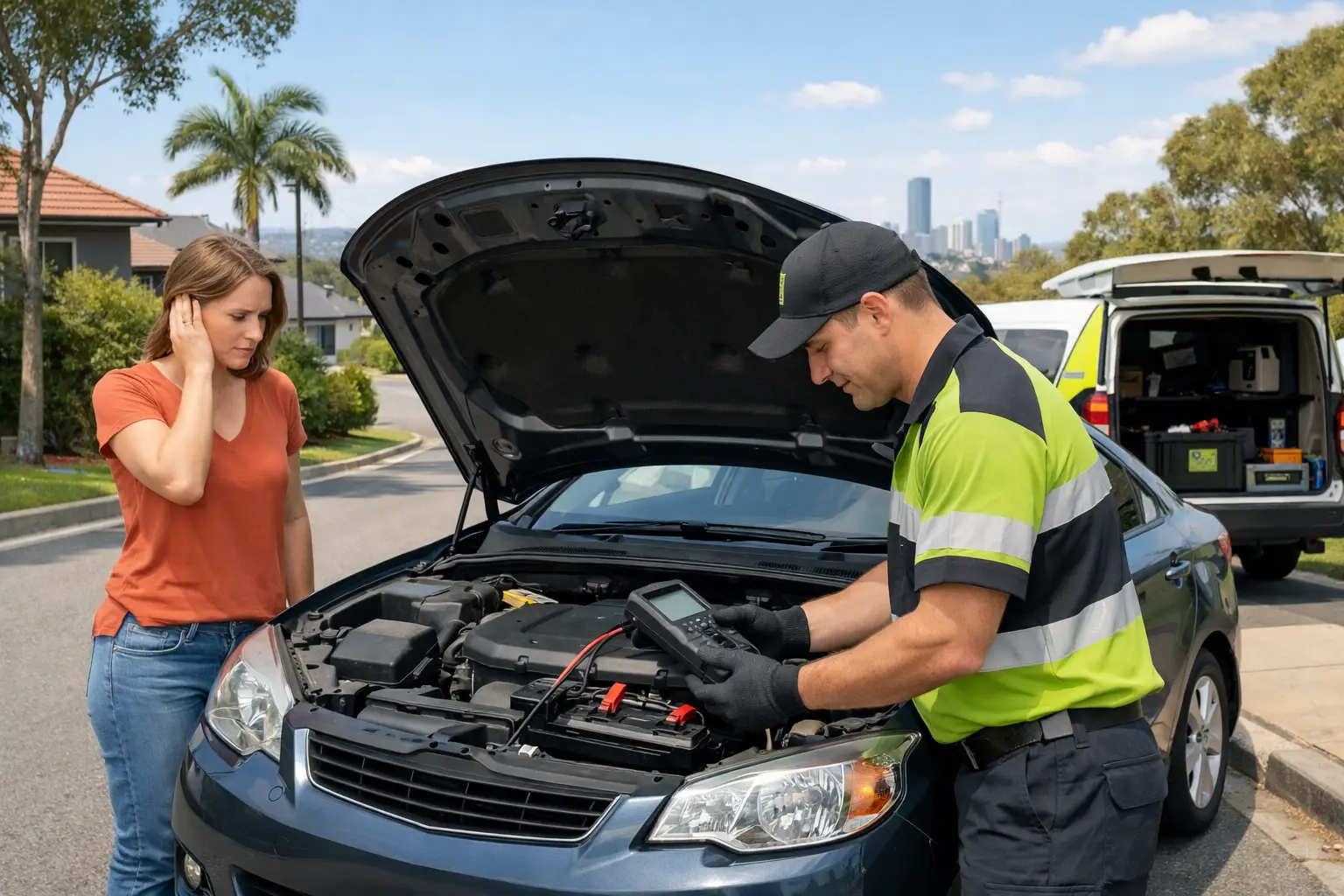
For local drivers who need a tested and correctly fitted replacement without a workshop delay, Battery Australia can come to the vehicle with the right battery options and get the job moving again. A proper fitment and test help make sure the new battery is not being asked to solve a charging-system problem.
The best time to deal with a weak truck battery is while the truck still starts. If cranking is slowing down, warning lights are appearing, or the battery is approaching the three-year mark, arrange a test before the next early start, long run, or important job.