A vehicle can start perfectly all week, then give you one slow crank on the school run or before an early job. That is when a battery testing service earns its keep. It takes the guesswork out of a no-start, identifies whether the battery is weak or another part of the charging system is at fault, and helps you act before a small warning becomes a roadside problem.
For commuters, families, tradies, and fleet drivers, the goal is simple: get a straight answer and get moving. A proper test is quick, but it can save hours of waiting, a tow, or a day of missed work.
What a Battery Testing Service Actually Checks
A flat battery is not always a failed battery. Lights left on, short trips, loose terminals, a failing alternator, and an electrical drain can all leave a vehicle unable to start. Replacing the battery without checking the cause may get you going temporarily, but it may not solve the real issue.
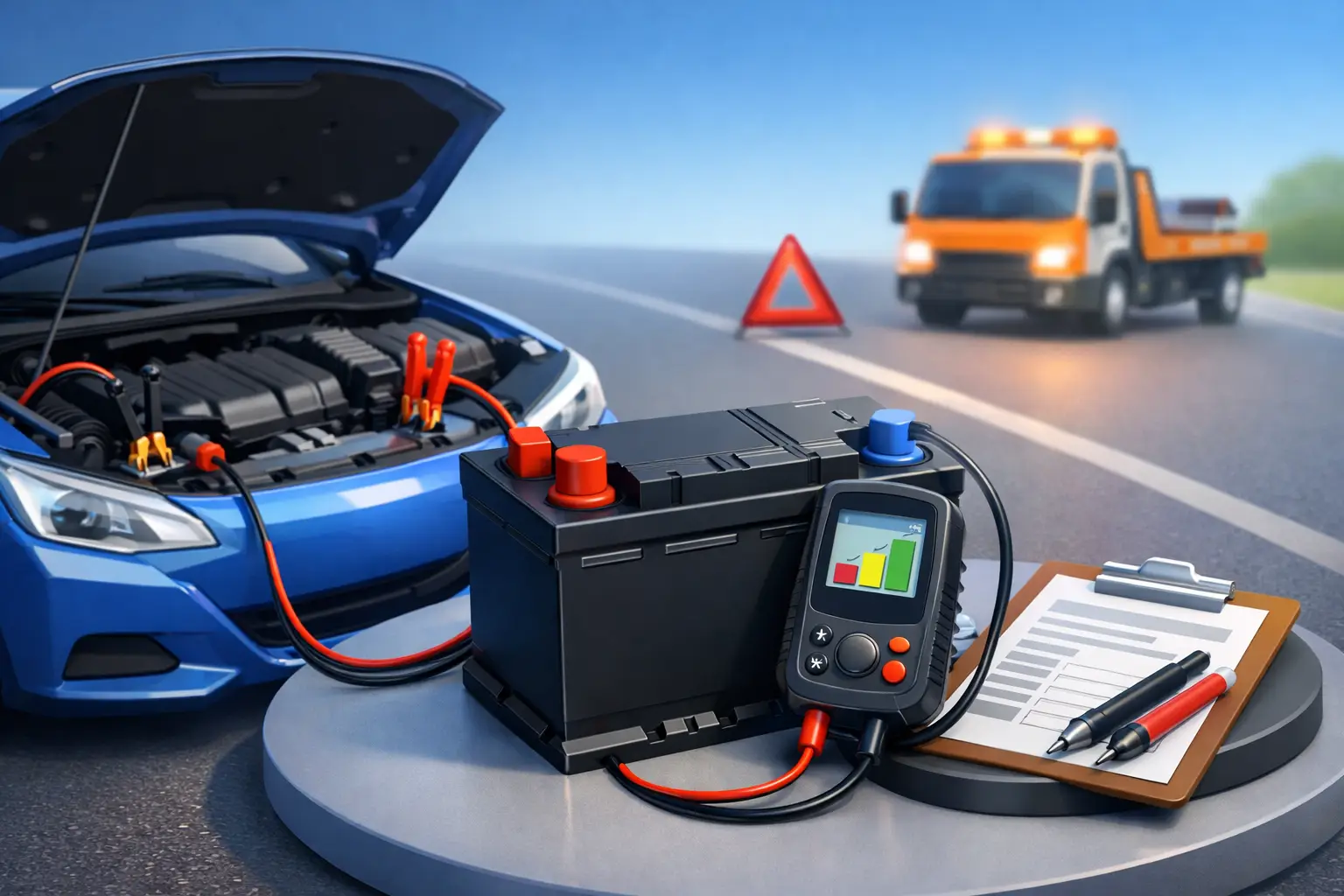
A technician starts by checking the battery’s state of charge and its ability to deliver power under load. This shows whether it has enough available cranking power for the engine, not just whether a dashboard light turns on. Battery voltage on its own tells only part of the story. A battery may show an acceptable voltage at rest and still collapse when the starter motor demands power.
The test should also include a look at the terminals, battery case, cables, and hold-down hardware. Corrosion can restrict current flow. A loose connection can mimic a dead battery. A swollen or damaged case needs attention even if the vehicle still starts.
Where needed, the charging system should be checked too. If the alternator is undercharging, a new battery will continue to lose charge. If it is overcharging, it can shorten battery life and damage electrical components. That distinction matters because the right fix depends on the fault.
Signs You Should Book a Battery Test
Do not wait for a complete no-start if the vehicle is already giving you clues. Slow or labored cranking is one of the clearest signs, especially first thing in the morning. Headlights that dim while starting, flickering interior lights, warning messages, and electronics resetting can also point to a battery that is losing its reserve.
Age is another practical trigger. Many vehicle batteries last several years, but heat, frequent short trips, stop-start driving, heavy accessory use, and long periods parked can reduce that lifespan. There is no exact expiry date that applies to every battery. A battery in a daily highway commuter may behave very differently from one in a work vehicle that makes repeated short runs.
It is also smart to test after the vehicle has needed a jump-start. A jump-start gets the engine running. It does not tell you why the battery went flat or whether it will hold enough charge for the next start.
For vehicles that sit unused, such as weekend cars, boats, motorcycles, caravans, golf carts, and backup equipment, testing is preventative maintenance. A battery can lose charge while sitting, and some battery types are damaged when left deeply discharged for too long.
Why a Quick Store Check Is Not Always Enough
An in-store test can be useful when your vehicle is running and you have time to drive in. But it is not much help when the car is stuck in a driveway, at a job site, or in a parking lot with a dead battery.
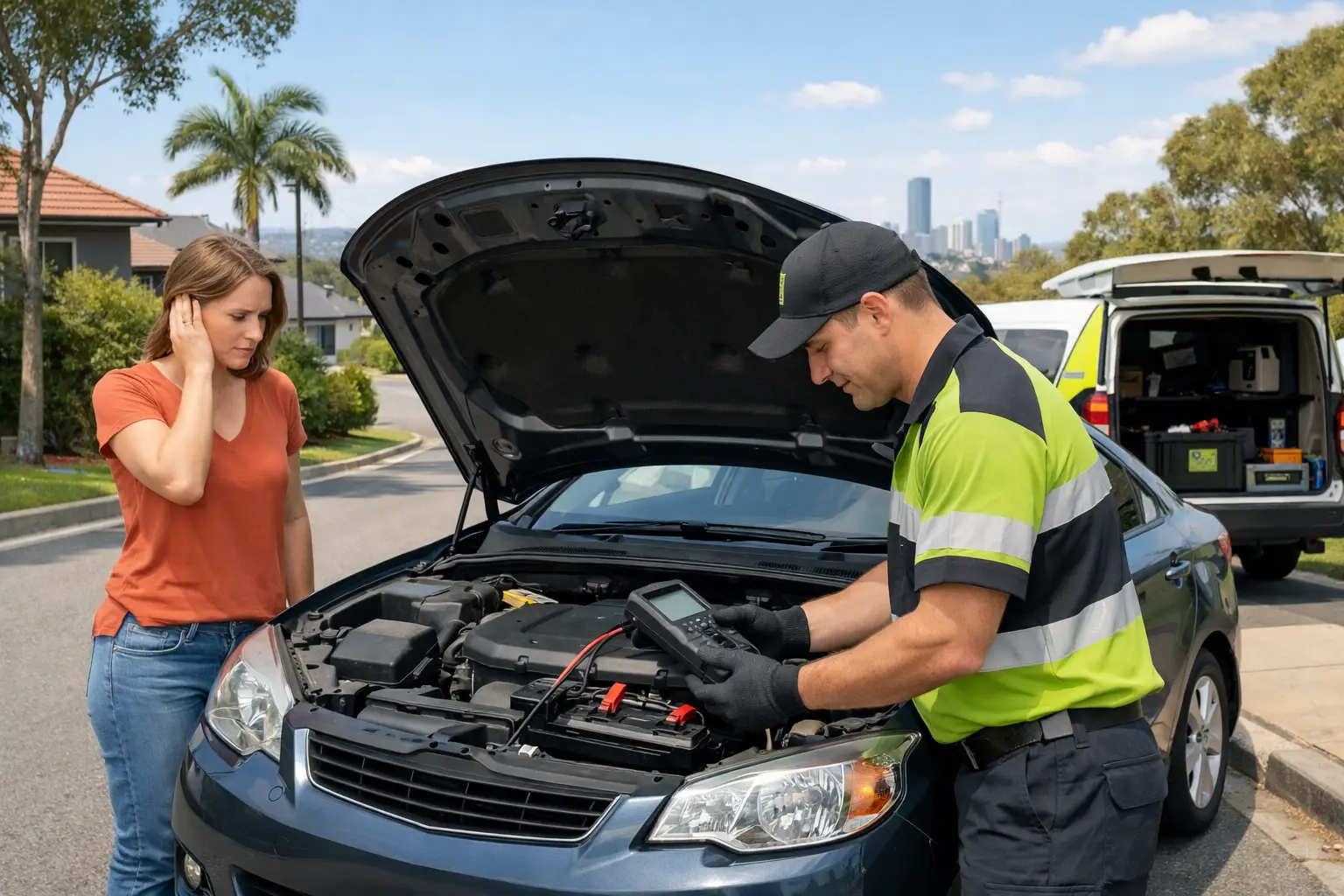
Mobile testing brings the diagnosis to the vehicle. That means the technician can see the battery in its installed condition, inspect the connections, test starting performance, and assess charging voltage without asking you to remove anything. This is especially useful for batteries located under seats, in trunks, behind panels, or in vehicles with battery monitoring systems.
There is a trade-off. If the issue is clearly related to a deeper electrical fault, the next step may be an auto electrician or workshop diagnosis. A battery technician cannot repair every vehicle problem roadside. What they can do is prevent you from buying the wrong battery, explain the test result plainly, and fit a suitable replacement when the battery is the cause.
The Right Result Is More Than “Good” or “Bad”
Battery tests are not simply pass or fail. A useful result explains what is happening and what should happen next.
If the battery is healthy but discharged, charging it fully and finding the reason for the discharge may be the sensible option. If it is weak, unreliable, or unable to meet its rated cranking output, replacement is usually the better call. If the alternator output is abnormal, you need to know that before relying on a fresh battery.
Correct fitment matters as much as the test. The replacement must match the vehicle’s physical tray size, terminal layout, capacity, cranking requirement, and technology. Vehicles with stop-start systems may require AGM or EFB batteries. Fitting a cheaper conventional battery where an AGM is required can cause poor performance and may affect vehicle systems.
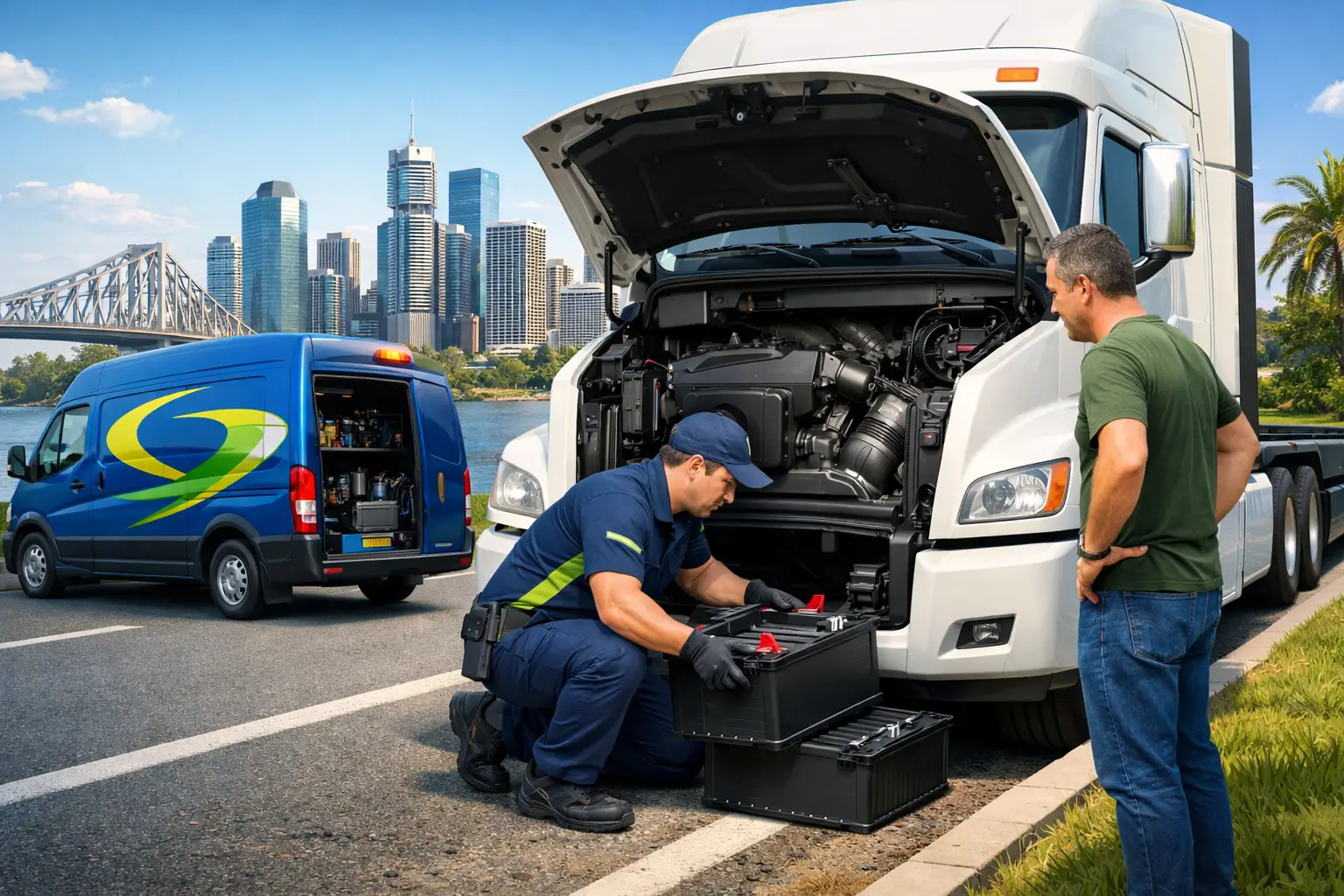
For deep-cycle, marine, solar, mobility, and portable power batteries, the test approach and replacement choice also change. These batteries are often judged by usable capacity and charging behavior, not high engine-cranking output. A battery that looks fine for a light load may not support a fridge, trolling motor, mobility scooter, or backup power setup for the time you expect.
What Happens During a Mobile Battery Callout
The best roadside service keeps the process straightforward. You explain the symptoms and vehicle details, then a fully equipped technician comes to your location with testing equipment and suitable battery options.
After testing, you should receive a clear recommendation. If the battery is the problem, the technician can remove the old unit, fit the correct replacement, secure it properly, clean or protect terminals where appropriate, and confirm the vehicle starts. The old battery should be taken away for responsible recycling.
That is the practical advantage of a mobile service: no finding jumper cables, no arranging a tow, no trying to lift a heavy battery out of a modern vehicle, and no guessing which replacement fits. Battery Australia provides this kind of on-site support across Brisbane, Ipswich, and the Gold Coast, with no call-out fees and a focus on getting most jobs completed in under 60 minutes.
How to Get a More Accurate Test Result
Give the technician the full picture. Mention whether the vehicle was recently jump-started, how long it has been parked, whether lights or accessories were left on, and whether you have noticed slow starts or warning messages. Those details can help separate a one-off discharge from an ongoing problem.
Avoid assuming the battery is at fault just because the engine will not crank. A starter motor issue, damaged cable, blown fuse, key or immobilizer fault, fuel issue, or charging-system problem can produce similar frustration. Testing first keeps the decision based on evidence rather than urgency alone.
If the battery is still working but nearing the end of its life, consider replacing it before a long trip, a period of extreme weather, or a busy work week. Planned replacement gives you more choice. Emergency replacement is still available when needed, but nobody chooses a dead battery in the rain at 6 a.m.
A battery does not need to fail completely before it deserves attention. If starting has changed, the battery is aging, or your vehicle cannot afford downtime, book the test while you still have options. A few minutes of checking can be the difference between a normal day and being stuck exactly where you cannot be.