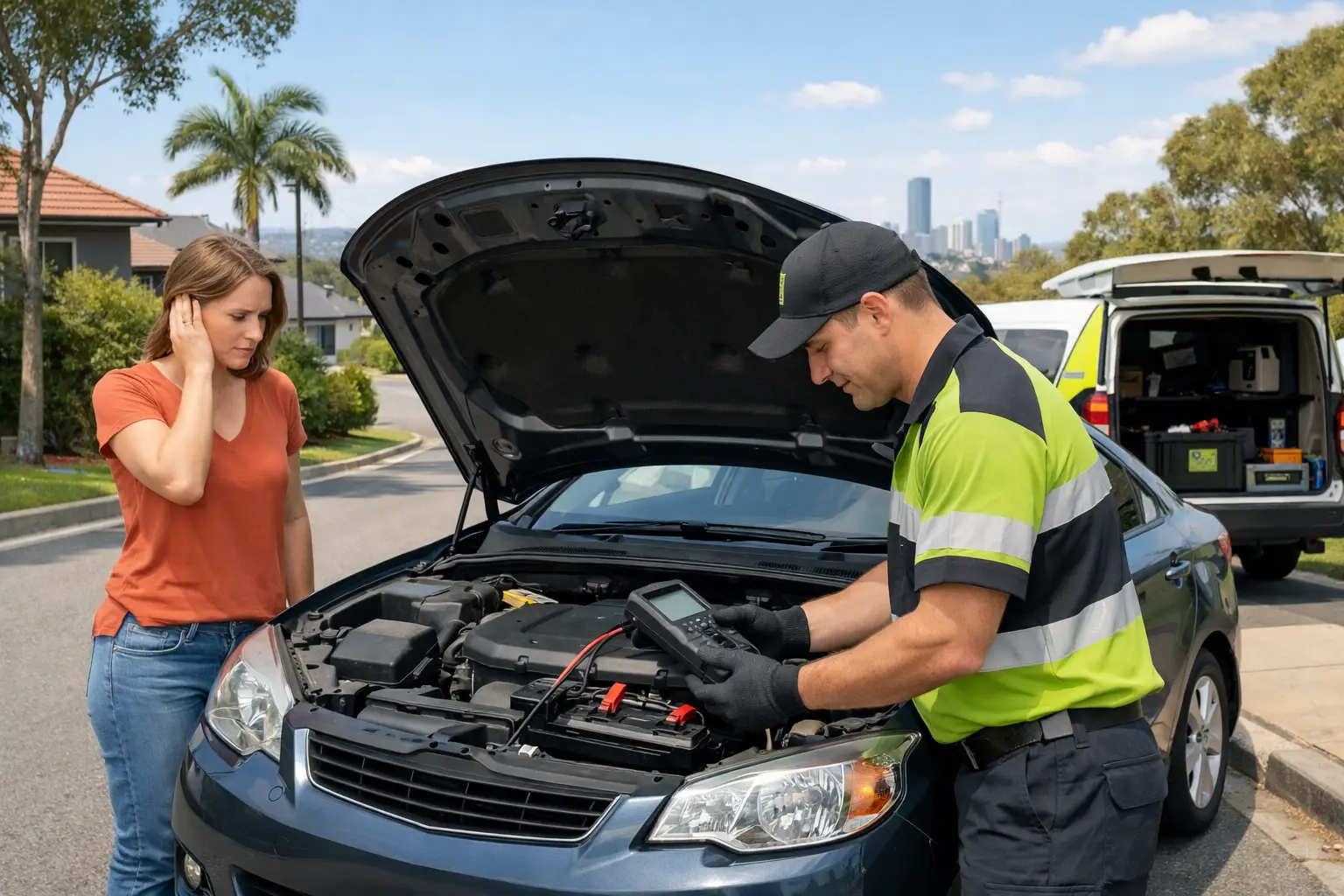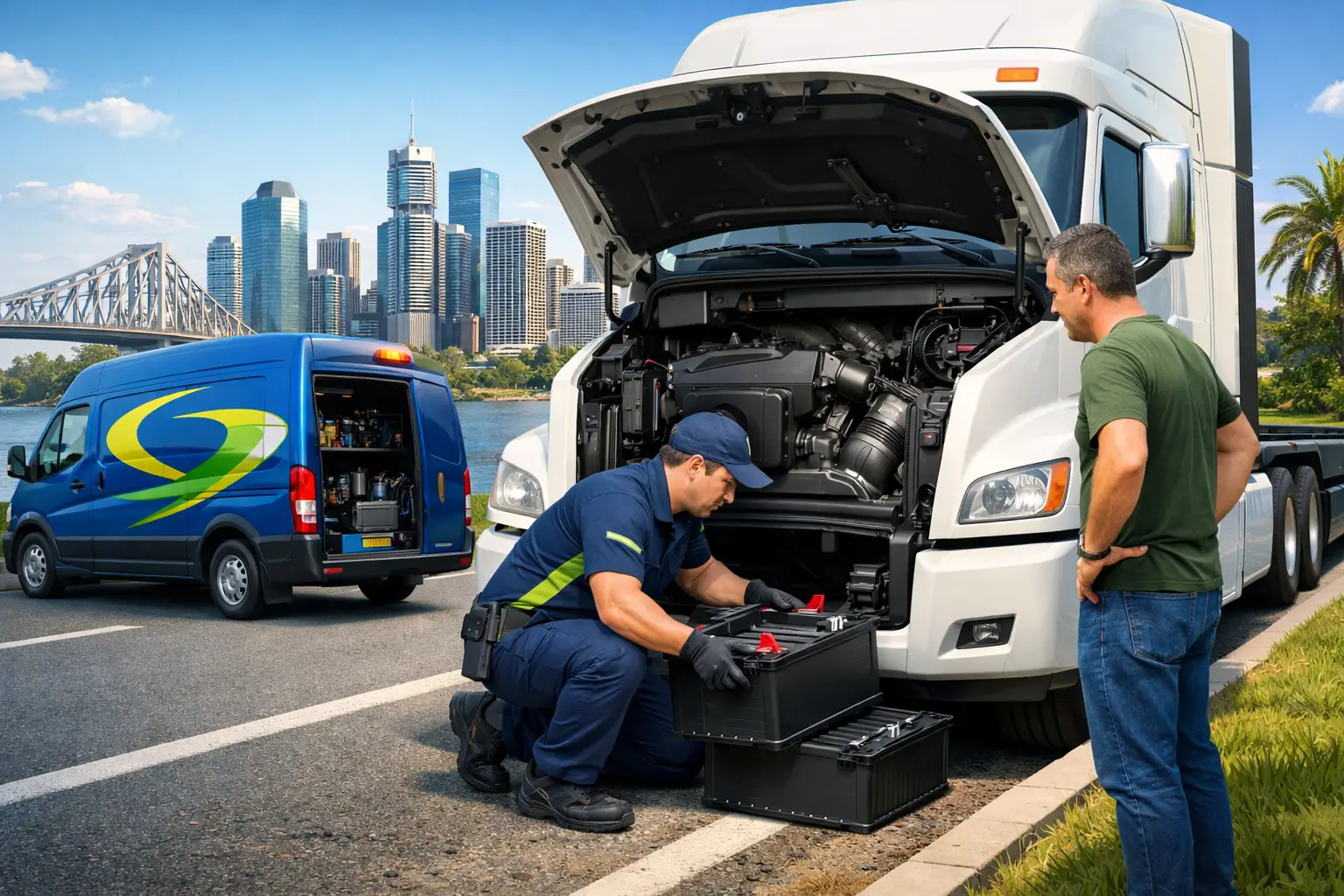
A flat battery can turn a normal day into a mess fast. If you want to know how to install car battery properly, the job itself is usually straightforward – but only if you get the order, fitment, and safety checks right. Rush it, mix up the terminals, or force the wrong battery into place, and a simple replacement can become an expensive electrical problem.
For many drivers, especially if you’re stuck at home, at work, or on the roadside, the smarter move is to get a battery technician to handle it. But if you’ve got the right battery, the right tools, and a bit of space to work safely, you can do it yourself.
Before you install a new car battery
Start with the obvious question: are you replacing the correct battery? Not every battery that physically fits your tray is the right one for your vehicle. You need the correct terminal layout, size, cold cranking amps, and battery type for the car’s electrical system. That matters even more in vehicles with stop-start systems, European vehicles, and newer models loaded with electronics.
If you’re unsure, stop there and confirm the battery specification before fitting anything. Installing the wrong battery can lead to charging issues, warning lights, poor starting, or shortened battery life.
You should also check whether your vehicle needs memory retention during battery replacement. Some cars lose radio codes, window settings, idle learning, or onboard system data when power is disconnected. In some cases, that is just inconvenient. In others, it can mean extra setup after installation.
Tools and safety gear you actually need
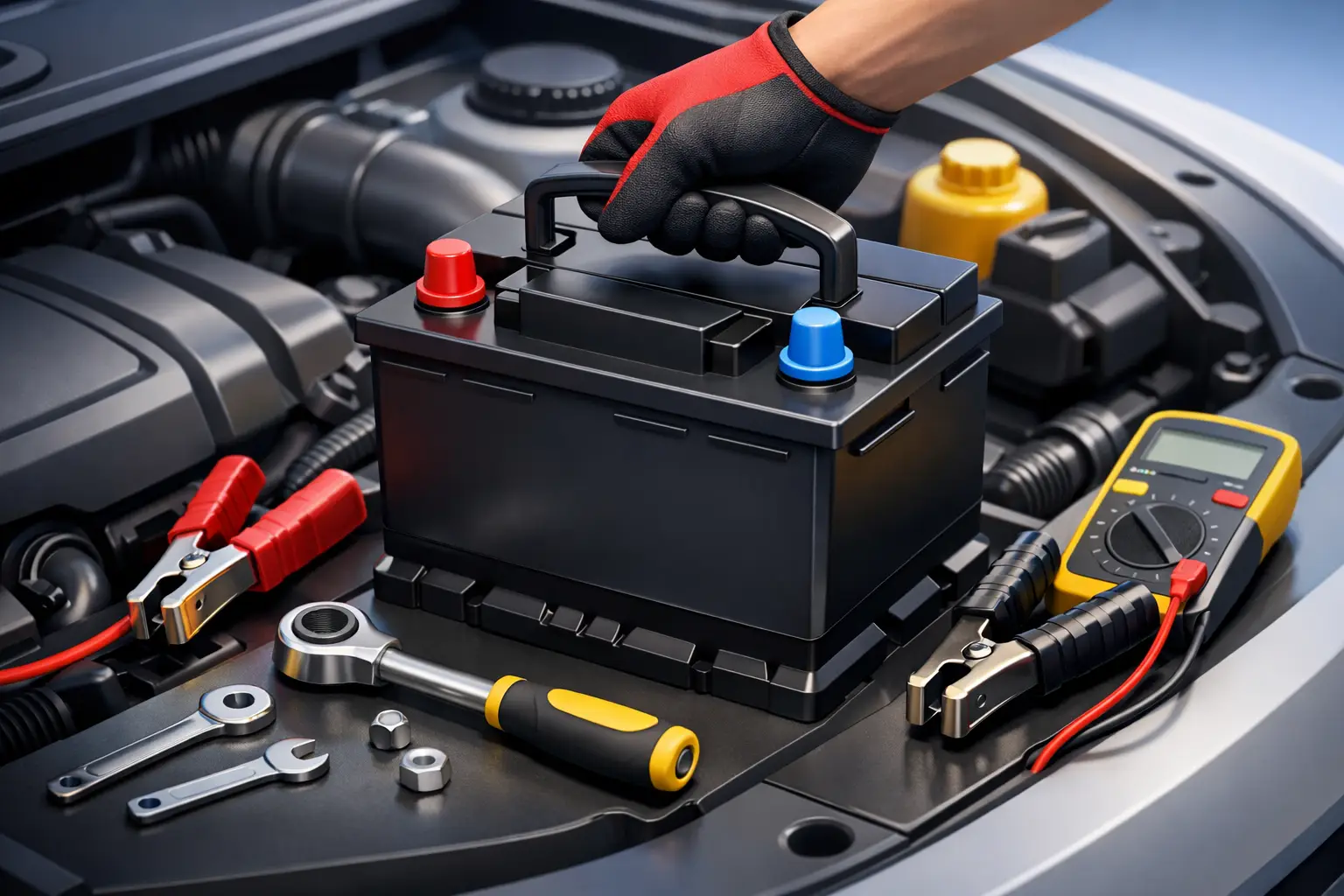
You do not need a full workshop setup, but you do need a few basics. A socket or spanner set is usually enough for the terminal clamps and battery hold-down bracket. Gloves are a smart idea, and safety glasses are even better. Keep a clean rag handy in case there is dirt or corrosion around the battery tray.
Do not smoke near the battery or work around open flames. Car batteries can release flammable gases, and battery acid is not something you want on your skin, clothes, or paintwork.
Before touching anything, make sure the engine is off, the keys are out, and the vehicle is in park with the handbrake on. If the battery is under a seat, in the boot, or behind a cover, clear enough room to work without twisting cables or dropping tools onto live terminals.
How to install car battery properly, step by step
The biggest mistake people make is not the install itself. It is removing or reconnecting the terminals in the wrong order.
1. Identify the negative and positive terminals
The negative terminal is usually marked with a minus sign and often has a black cable. The positive terminal is marked with a plus sign and usually has a red cable. Do not rely on cable color alone if visibility is poor. Look for the battery markings.
2. Disconnect the negative terminal first
Always remove the negative terminal first. This reduces the chance of creating a short if your tool touches metal while loosening the positive side. Once the negative clamp is free, move it aside so it cannot spring back onto the terminal.
3. Disconnect the positive terminal
Now remove the positive clamp. Be careful not to force it. If the clamp is tight from corrosion, gentle movement works better than brute force.
4. Remove the hold-down bracket
Most batteries are secured by a clamp, top bracket, or base hold-down. Remove that before trying to lift the battery out. Batteries are heavier than many people expect, so lift with control and keep it upright.
5. Inspect the tray and cables
Before the new battery goes in, check the tray for corrosion, dirt, or damage. Clean off loose debris and inspect the terminal clamps. If they are badly corroded, cracked, or loose, replacing the battery alone may not solve your starting problem.
6. Place the new battery in the correct position
Set the new battery into the tray with the terminals oriented the same way as the old one. This sounds basic, but it is a common error. If the positive and negative posts are reversed relative to your cables, do not try to stretch or twist the cables to make it work. That means the battery is wrong for the vehicle.
7. Secure the battery properly
Refit the hold-down bracket and tighten it so the battery cannot move. It should be firm, not crushed into place. A loose battery can vibrate, wear out early, and even damage surrounding components.
8. Connect the positive terminal first
When installing the new battery, the order flips. Positive goes on first. Fit the clamp snugly so it is secure, but do not overtighten and damage the terminal.
9. Connect the negative terminal last
Once the positive side is secure, reconnect the negative terminal. This is the final step in restoring power.
10. Check for a clean, solid connection
Both clamps should feel tight and stable. If a terminal can be rotated by hand, it is not secure enough. Loose terminal connections can cause intermittent starting, dashboard faults, or charging problems.
Common mistakes that cause trouble
A battery install is simple until one small mistake creates a bigger issue. The most serious problem is reversing polarity. Connecting positive to negative and negative to positive can blow fuses, damage control modules, and create major electrical faults in seconds.
Another issue is failing to secure the battery. If it shifts while driving, the terminals and casing can be damaged. People also get into trouble by skipping battery registration on vehicles that require it. Some newer cars, especially premium European models, need the new battery to be coded or registered to the vehicle’s charging system. If that step is missed, the battery may not charge correctly or may wear out faster than it should.
Then there is the battery that was never the problem to begin with. If your vehicle still will not start after fitting a new battery, the fault may be the alternator, starter motor, a parasitic drain, poor terminal connections, or a blown fuse.
How to tell the installation was successful
Start the vehicle and pay attention to how it cranks. It should turn over strongly and start without hesitation. Check the dash for warning lights. Some lights may appear briefly and then clear, but if charging, engine, or battery lights stay on, something else may be wrong.
Test basic electronics like headlights, indicators, power windows, and the radio. If your clock or presets need resetting, that is normal on many vehicles after battery replacement. If the engine idles roughly for a short time, some cars need a little time to relearn settings.
If the vehicle starts but sounds weak, or if electrical issues show up straight away, do not assume the new battery is faulty. Recheck the terminal tightness, battery specification, and charging system.
When not to do it yourself
Knowing how to install car battery properly is useful. Knowing when not to touch it is even more useful.
If the battery is hard to access, if the vehicle needs battery coding, if you can see heavy corrosion, or if you are dealing with a roadside breakdown in traffic or bad weather, it makes sense to call a professional. The same goes for anyone not confident working around vehicle electrics.
There is no prize for turning a 15-minute battery swap into a two-hour headache. A qualified technician can test the battery, confirm the replacement is correct, fit it properly, and check whether the battery was actually the cause of the problem. For drivers across Brisbane, Ipswich, and the Gold Coast, that kind of fast mobile help is often the quickest way back on the road.
Disposal matters too
Do not throw an old car battery in general waste. Lead-acid batteries need to be recycled properly because they contain hazardous materials. Most battery retailers and fitment services can take the old one for safe recycling.
That part is easy to overlook when you’re focused on getting the car started again, but proper disposal matters just as much as proper installation.
If the job feels straightforward and the vehicle setup is simple, replacing the battery yourself can save time. If anything about the battery type, fitment, or vehicle electronics feels uncertain, get it checked before you connect a single terminal. Done right, a battery replacement is quick. Done wrong, it can cost far more than the battery ever did.